Travelers seek a route to Mexico City
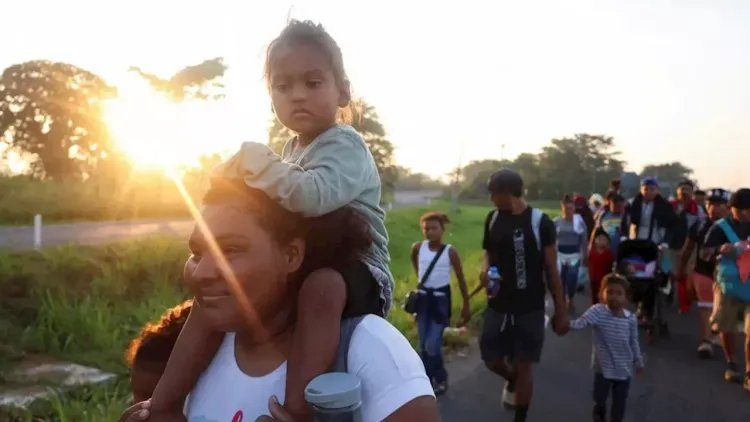
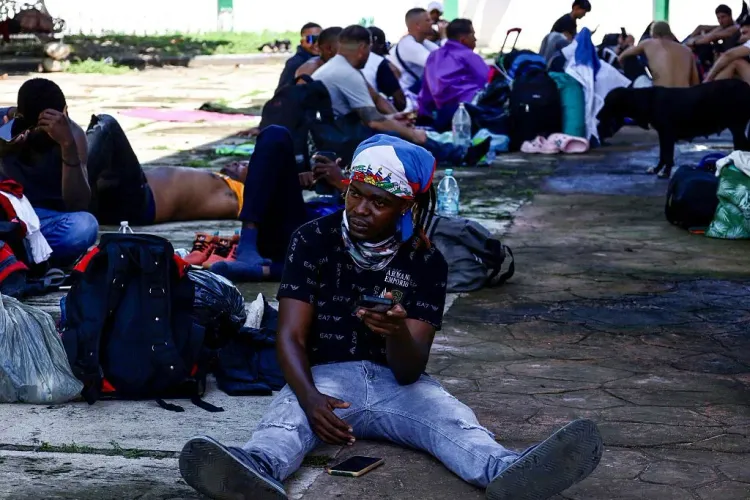
The larger caravan formed last week with nearly 1,500 people. It has since divided into at least two groups traveling through Arriaga and Tonalá in Chiapas, a person familiar with the situation told Reuters. The same source described Friday's arrivals as the seventh migrant group to enter Chiapas this year. Bordering Guatemala, the state is a major entry point for migrants traveling north.
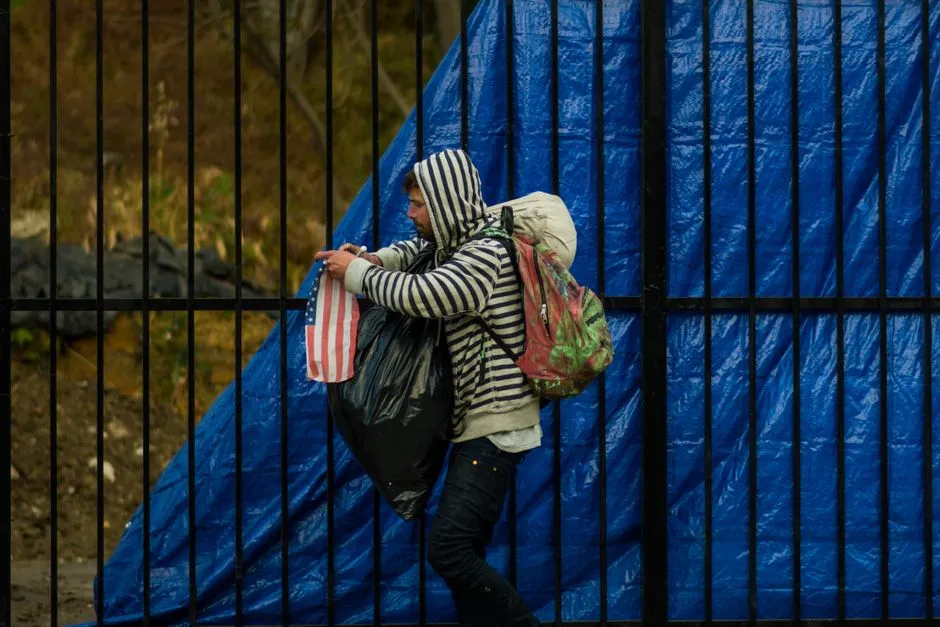
Known as "God Is With Us" ("Dios con Nosotros"), the larger caravan aims first to reach Mexico City, a journey that could take weeks. Members told Reuters they intend to ask the Mexican government for assistance to continue north.
Migrants said authorities had made them leave Pijijiapan, southeast of Arriaga and Tonalá, despite their plans for a two-day rest. Emerson, a 26-year-old Honduran traveling with his wife and daughters, ages 1 and 4, described being forced to keep moving.
"They didn't care that the children were tired; they kicked us all out, and we had to keep walking," he told Reuters.
Herson David Escalante, a Honduran walking with the newly arrived group, said he had considered remaining in Mexico to work until Trump leaves office. He appealed to Mexican President Claudia Sheinbaum to let migrants stay and not be "manipulated" by Trump.
Tariff threat and calls for troops
Trump issued his warning on Truth Social on November 12, 2026, describing the caravan as an "invasion" and threatening to "IMMEDIATELY DOUBLE" tariffs if Mexico failed to stop it. Texas Public Radio reported that the legal authority for such an increase remained unclear after the Supreme Court rejected his emergency economic powers in February 2026.
Texas would be especially exposed to a tariff increase, Texas Public Radio reported. The state traded $301.8 billion in goods with Mexico last year and handles about three-quarters of US-Mexico land trade, according to Dallas Fed economist Roberto Coronado.
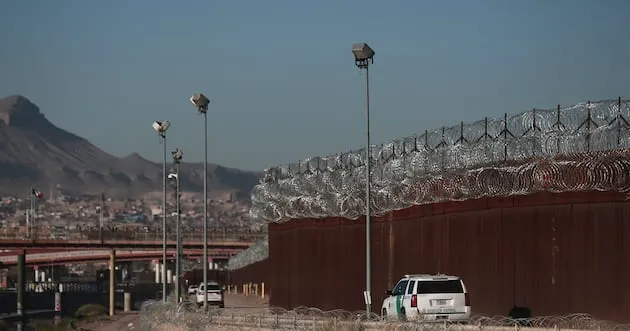
In a Fox News interview, US border czar Tom Homan urged Mexico to station troops at both the US border and its southern frontier with Guatemala. Diario.mx reported that Sheinbaum had already announced a deployment of 10,000 troops to the northern border in February 2025.
Responding on November 12-13, Sheinbaum said no caravan had reached Mexico's northern border since Trump returned to office in January 2025. She also said 24 caravans had been dissolved during his second term, mostly in Chiapas, according to Texas Public Radio and Deutsche Welle.
Mexico's National Migration Institute had not immediately answered Reuters' request for comment about Friday's caravan. The government says people with legal status can stay in Mexico; those lacking proper documentation will have their cases assessed by immigration authorities.
Mexico's longer-running migration policy
Efforts to contain migrants in southern Mexico began before Trump's second term. In 2014, then-President Enrique Peña Nieto introduced Programa Frontera Sur to regulate migration at the Guatemalan border, according to The Christian Science Monitor.
The Monitor cited research published in the academic journal Migraciones Internacionales that counted more than 50 caravans leaving southern Mexico from 2019 through 2025, involving an estimated 70,000 people.
Separately, US Customs and Border Protection data cited by the Monitor showed Border Patrol encounters along the US-Mexico border declining from roughly 2.47 million people in fiscal 2023 to about 443,000 in fiscal 2025.