US Coast Guard rescues 16 off Mexico's coast
The US Coast Guard rescued 16 people early Friday morning after a vessel sank in the Pacific Ocean approximately 225 kilometers west of the Mexican city of Ensenada. At least 11 more people are considered missing, and a large-scale search operation involving US and Mexican authorities is ongoing.
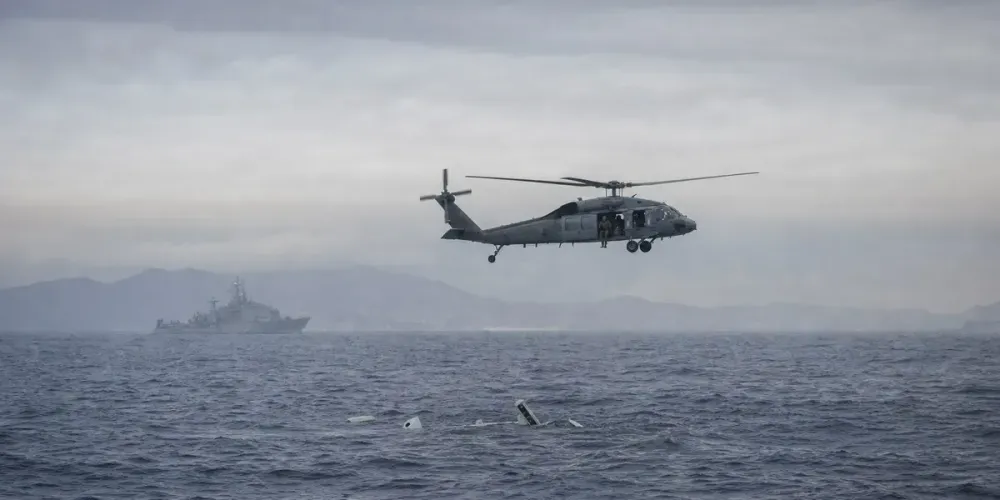
A Mayday distress signal from the boat was received at approximately 01:00 on Friday. A Coast Guard rescue helicopter arrived in the area about two hours later, according to Lieutenant Santiago Tamburini of the US Coast Guard.
The helicopter crew, which included a rescue swimmer, pulled 16 people from the water over approximately 90 minutes. The Mexican consulate confirmed that all rescued individuals are Mexican citizens.
Medical treatment for survivors
One survivor is receiving treatment for a suspected shark bite, while two others are in critical condition. Three individuals were transported to Scripps Mercy Hospital San Diego, including the shark bite victim and two people treated for cold exposure. Three others were evaluated at Scripps Memorial Hospital La Jolla and later discharged. All rescued people were flown by helicopter to San Diego and then transported to hospitals. The Mexican consulate in San Diego has offered consular assistance to those rescued.
Extensive search operation underway
The search operation covers approximately 950 square nautical miles and involves significant US and Mexican resources. US Coast Guard helicopters from Air Station Ventura and Air Station Sacramento, the Coast Guard Cutter Active, the USS Kingsville, and a US Navy helicopter are all participating in the effort. The Mexican Navy has also launched search and rescue operations from Ensenada.
Only debris has been found in the area where the boat sank. The vessel's origin, destination and type have not yet been established.
Region known for maritime smuggling
According to Tamburini, the area is known as a possible route for smugglers transporting migrants to the United States. Small fishing boats called pangas typically leave Mexico in the dead of night and sometimes travel hundreds of miles north along the Pacific coast as smugglers increasingly use maritime routes to avoid heavily guarded land borders. However, fishing and recreational vessels also operate in these waters, so the circumstances of how the people came to be at sea remain unclear.
The Mexican Navy finds an average of 10 to 12 boats off the coast of Baja California each month carrying a total of about 150 migrants, often abandoned by smugglers who demand payment upfront and then leave passengers adrift in overcrowded boats without food or radios. Migrants pay approximately $6,000 per person to boat smugglers for maritime crossings, about double the cost of land crossings.
US Coast Guard Sector San Diego, which conducted the rescue, has an area of responsibility spanning 120 miles of coastline, 750 miles of the Colorado River, and the US-Mexico southwest maritime border, covering approximately 165,912 square miles including 60 linear miles of international boundary with Mexico. The sector performs approximately 250 search and rescue cases annually and saves around 150 lives each year.
Pattern of deadly incidents
This incident is part of a recurring pattern of maritime tragedies in the region. In May 2025, at least three people died when a panga flipped off the coast about 56 kilometers north of the US-Mexico border. In 2023, eight people were killed when two migrant smuggling boats approached a San Diego beach in heavy fog and one capsized in the surf.
In 2022, a federal judge sentenced a San Diego man to 18 years in prison for piloting a small vessel overloaded with 32 migrants that smashed apart in powerful surf off the California coast, killing three people and injuring more than two dozen.