Election hopes drive the journey
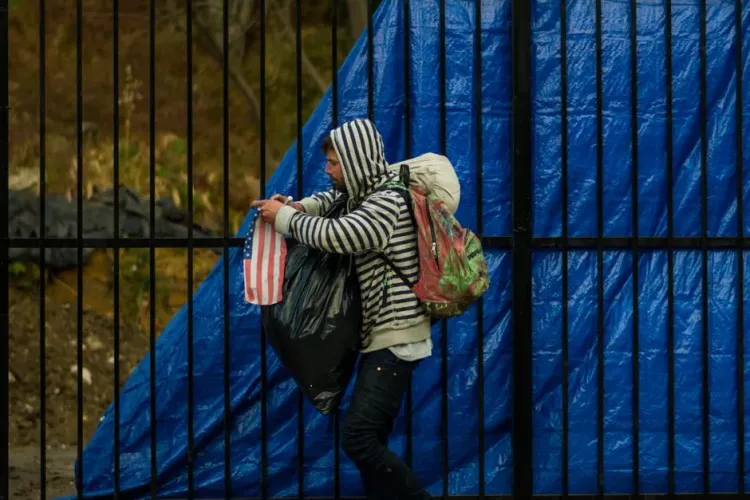
The northbound movement follows two years of declining migrant flows through Mexico. Many participants hope the November 3, 2026, elections will improve their chances of entering the United States. Democrats took both the House of Representatives and the Senate from Republicans, according to CBC News and Al Jazeera, but that congressional shift has not opened the border.
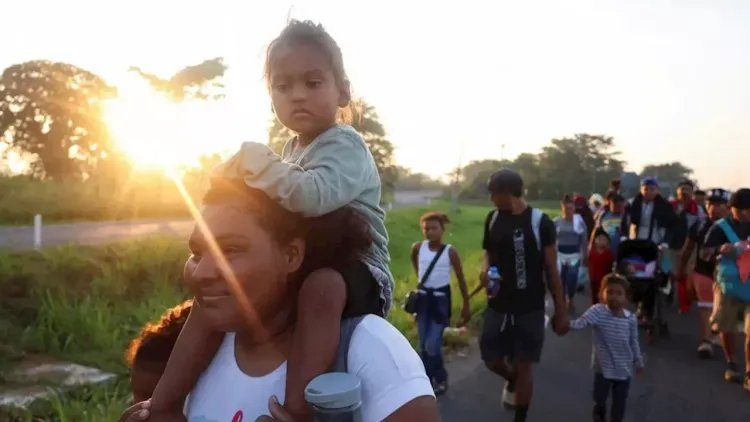
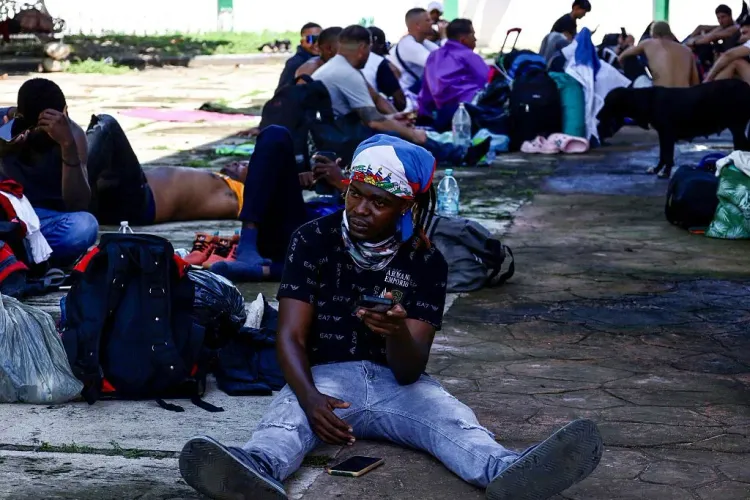
Known as "Dios con Nosotros" ("God With Us"), the caravan left Tapachula, near Guatemala, on November 10. Al Jazeera and The Rio Times reported estimates ranging from 1,000 to 2,000 participants. CBC News and The Rio Times identified members from Honduras, El Salvador, Guatemala, Nicaragua, Venezuela and the Dominican Republic.
In early November, roughly 2,000 migrants passed together through a highway police checkpoint in Chiapas, Mexico's southernmost state. Authorities there seek to intercept undocumented migrants and people being smuggled north. The crossing was described as the region's first recorded migrant caravan since Donald Trump returned to office.
Participants told Al Jazeera on November 12 that they planned to seek government assistance and protection from detention in Mexico City before continuing farther north. Reaching the capital, more than 1,000 kilometers (621 miles) away, was expected to take at least several weeks.
Escorts, detentions and another caravan
Mexican authorities have accompanied the caravans to keep track of their progress, offering basic aid and explaining US entry restrictions instead of arresting participants. At the Guatemala border, authorities also offer repatriation, which many migrants accept.
That approach has not extended to every group entering Chiapas. On November 10, Mexico's National Guard, immigration officials and police moved to intercept about 100 Central American migrants after they crossed the Suchiate River from Guatemala. Reports from Tapachula cited by Al Jazeera put the number detained at about 40.
Another caravan entered southern Mexico on November 20, ten days after the larger group's departure from Tapachula. The Rio Times reported that between 150 and 300 people reached the city after a walk lasting more than 16 hours.
Trump threatens tariffs as Mexico cites past outcomes
Trump responded to the caravans on November 12 by threatening to double US tariffs on Mexican imports unless Mexico stopped them. In a Truth Social post reported by CBC News and Al Jazeera, he wrote: "MEXICO MUST STOP THEM, NOW, and if they do not do so, the Tariffs on Mexico will be IMMEDIATELY DOUBLED" and "There will be no leniency!"
Mexican President Claudia Sheinbaum said that day that no caravan had made it to the US-Mexico border since January 2025. On November 13, she cited Interior Ministry figures showing that 24 caravans had formed since then, with most breaking up in Chiapas, according to CBC News and The Rio Times.
US immigration enforcement has continued on a large scale. The Department of Homeland Security said Immigration and Customs Enforcement carried out a record 483,200 removals during fiscal year 2026, which ended September 30, 2026, The Rio Times reported.
Ivan Porraz, a researcher at Mexico's College of the Southern Border, warned that smugglers could exploit migrants' hopes. "As long as Trump remains president, the deportations will not stop," he told Al Jazeera.