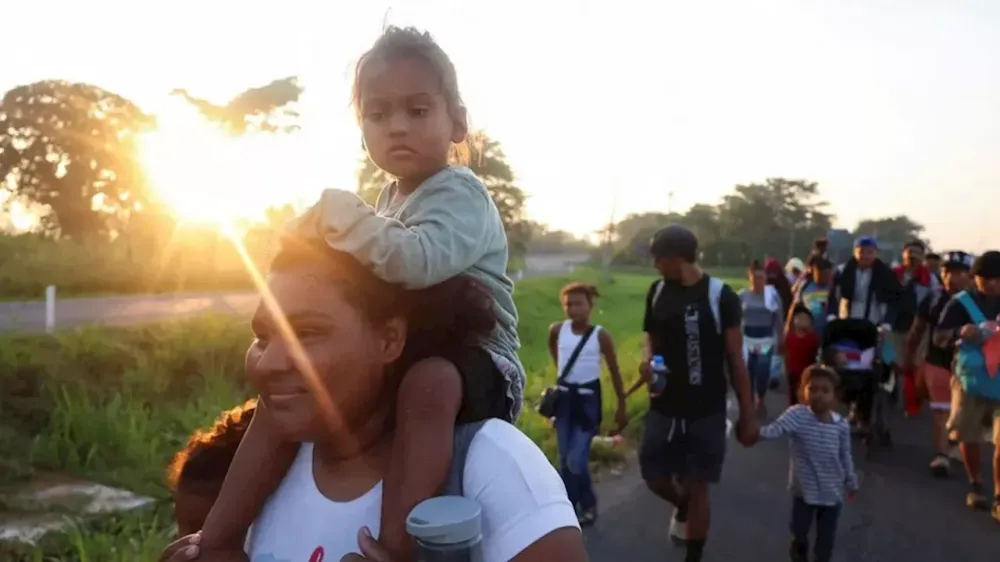
Caravan splits into smaller groups
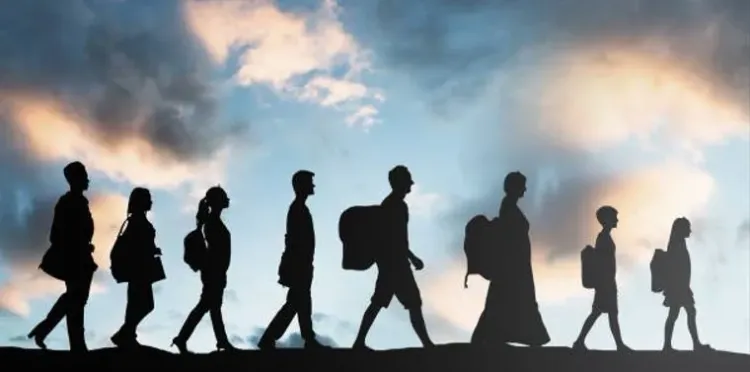
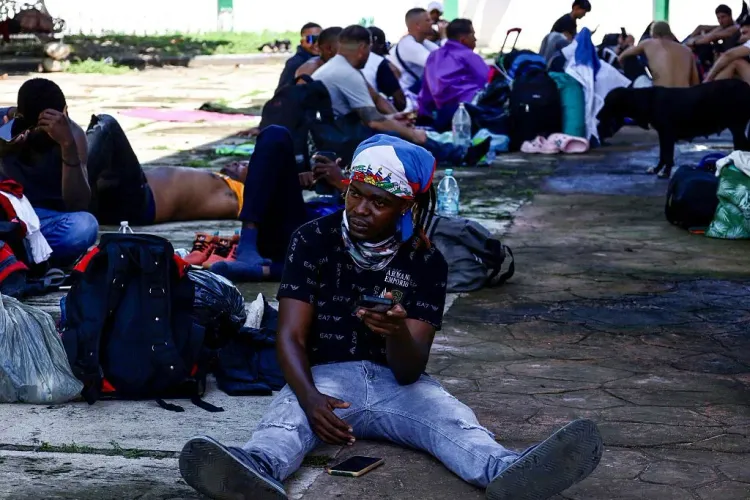
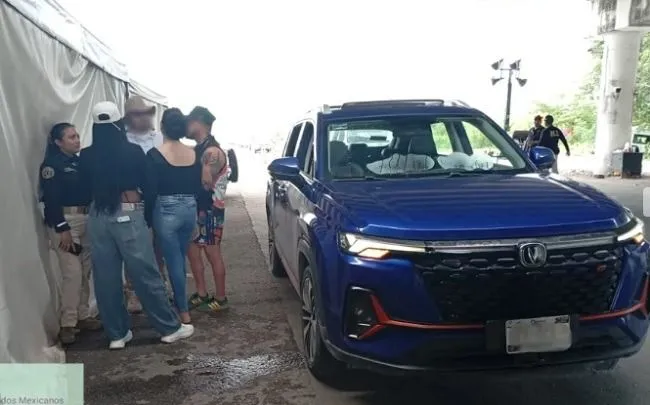
The larger caravan, formed the previous week, has divided into at least two groups now passing through Arriaga and Tonalá. Chiapas, which borders Guatemala, is the main gateway into Mexico for migrants seeking to reach the United States.
The caravan that prompted Trump's threat is called "Dios con Nosotros" ("God With Us"). It left Tapachula, Chiapas, near the Guatemalan border, on Tuesday, November 10. El País reported on November 14 that Hondurans made up most of the group, alongside several dozen Nicaraguans, about 100 Guatemalans and people from Haiti, Venezuela, Cuba and Ecuador.
Participants largely learned about the caravan through TikTok, Instagram and WhatsApp channels, according to El País. One participant told the newspaper, "There are no organizers."
The latest arrivals constitute the seventh migrant group to enter Chiapas this year. Separate counts cited by El País concern caravans departing the state during Claudia Sheinbaum's two years as president: activist Luis Villagrán counted 24, while the federal government counted 10. The newspaper described the caravan as this year's largest, noting that nearly 1,200 migrants had gathered along the same route a few months earlier.
Families ordered to leave a resting place
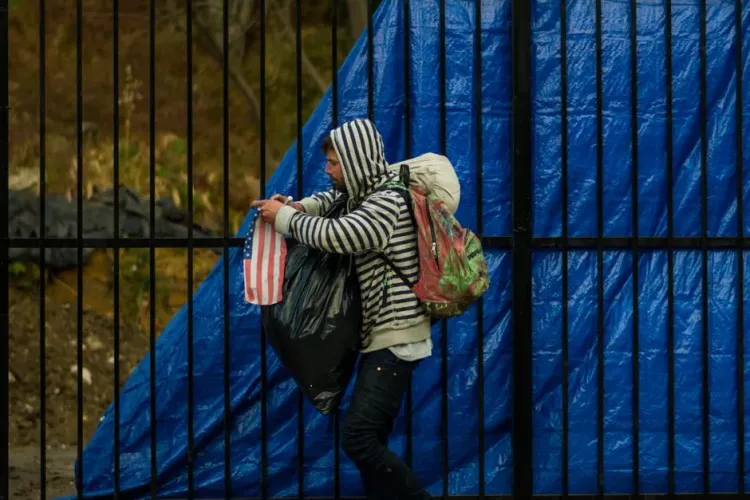
In Pijijiapan, southeast of Arriaga and Tonalá, local officials ordered the newcomers to move on from a temporary resting place where they had hoped to spend two days.
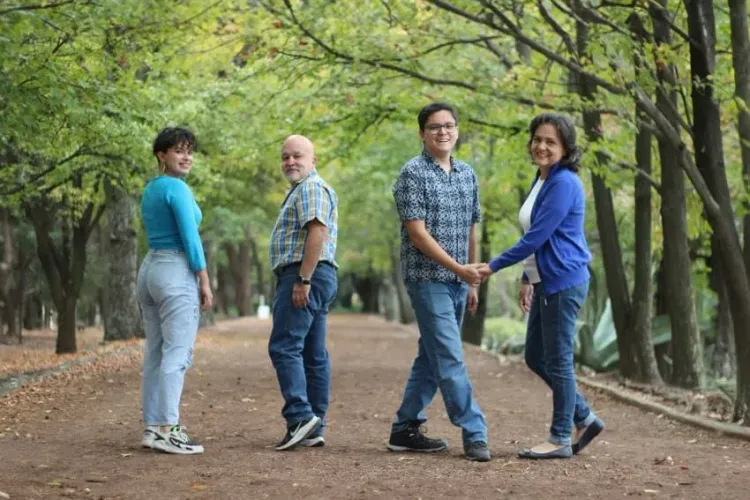
Emerson, a 26-year-old Honduran traveling with his wife and daughters, ages 1 and 4, said officials disregarded the children's exhaustion. He said everyone was expelled from the resting place and forced to resume walking immediately.
Another Honduran participant, Herson David Escalante, said he wanted to live and work in Mexico until Trump leaves office. He appealed to Sheinbaum to let migrants stay rather than allow US pressure to dictate her response.
Mexico allows migrants with legal status to remain in the country. Those lacking the required documents are referred to immigration authorities for individual reviews. El País reported that migrants reaching Arriaga after crossing Chiapas are typically transferred to Tuxtla Gutiérrez or Oaxaca city, where they normally receive a 30-day free transit permit.
Mexico faces calls for tighter enforcement
Alongside Trump's tariff warning, US border czar Tom Homan urged Mexico to deploy troops at both its US border and its southern border with Guatemala to tighten controls. Mexico's National Migration Institute has not responded to requests for comment about the new arrivals.
Sheinbaum had rejected the use of force against migrants, describing Mexico's approach as "accompaniment," according to El País and Texas Public Radio reports published November 12–14. She also said no caravan had reached Mexico's northern border since Trump took office.
Pointing to an earlier group in Chiapas, Sheinbaum said a caravan that once numbered about 600 had shrunk to fewer than 100 people remaining in Arriaga.
Local officials and federal agencies continue to coordinate as the groups travel through Arriaga and Tonalá. Separately, El País reported on November 14 that another caravan was forming in Honduras; Villagrán estimated that group at about 2,000 people.
Tariff authority and trade negotiations
The legal basis for Trump's proposed tariff increase remains unclear. Texas Public Radio reported on November 12 that the Supreme Court had rejected his emergency economic powers in February 2026.
The threat also introduced more uncertainty into US-Mexico trade negotiations, the outlet reported. The United States had declined to extend the USMCA trade agreement at its July 2026 review.
Texas traded $301.8 billion in goods with Mexico last year. The state handles about three-quarters of US-Mexico land trade, according to Dallas Fed economist Roberto Coronado, cited by Texas Public Radio.
The tariff warning came as Sheinbaum was preparing to visit China for the following week's Asia-Pacific Economic Cooperation summit. Mexico has said it wants to expand cooperation with China on renewable energy, including solar power, but is not seeking a free trade agreement with Beijing because of its commitments to the United States and Canada.