US resumes cattle imports from Mexico, with plans to reduce screwworm danger
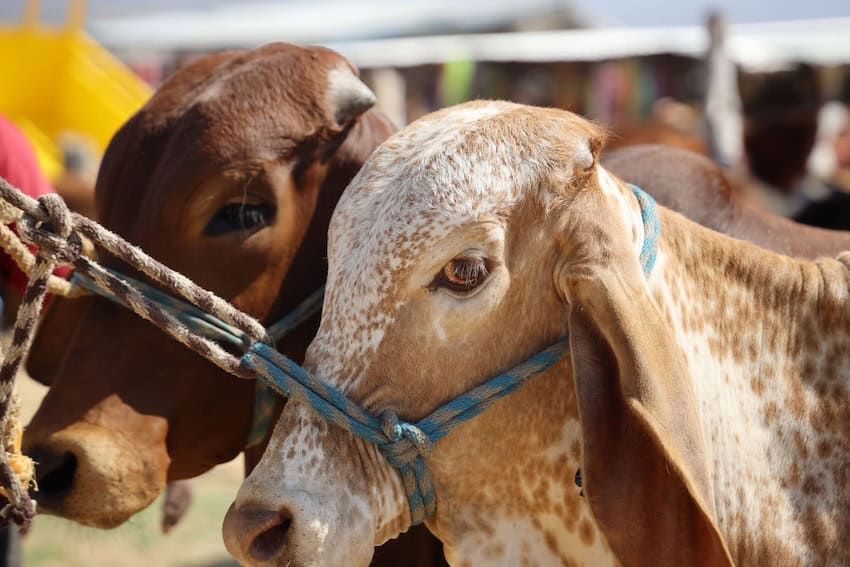
The United States will resume importing cattle from Mexico in late August, more than a year after suspending trade in May 2025 due to the northward spread of New World Screwworm (NWS), a parasitic fly larva that infests livestock and can also affect humans.
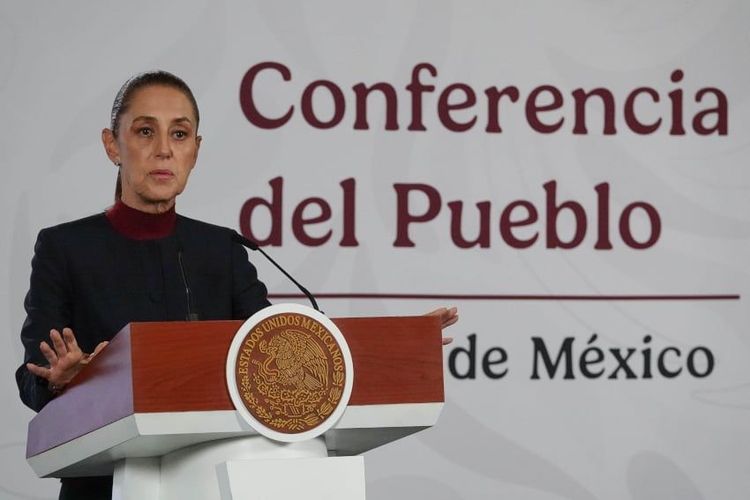
President Claudia Sheinbaum announced July 24 that the border will reopen to cattle trade during the final weeks of August, beginning at the Douglas, Arizona, port of entry opposite Agua Prieta, Sonora. The move ends a suspension that devastated Mexican ranchers and contributed to supply challenges in the U.S. beef industry.
"This is great news for Mexican ranchers. I recognize the effort they have made for many months to contain the NWS plague."
Phased Reopening Tied to Joint Action Plan
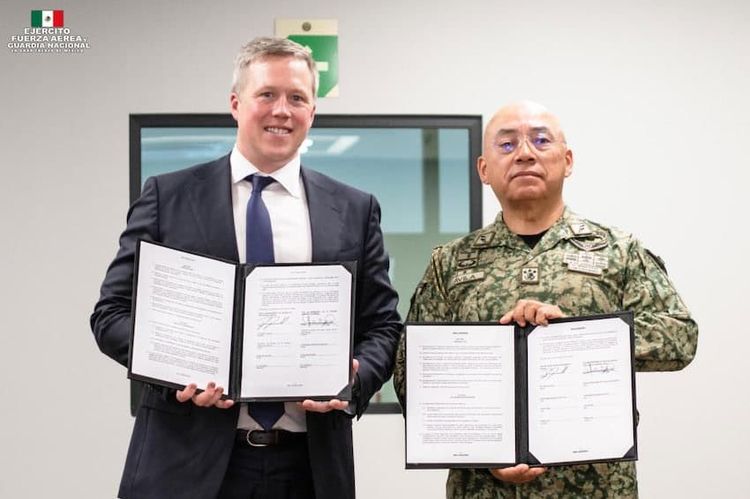
U.S. Agriculture Secretary Brooke Rollins and the Department of Agriculture (USDA) announced a "coordinated, phased reopening of southern cattle ports" contingent on Mexico's adherence to strict internal movement controls and documentary proof of treatment under a Joint Action Plan between the two countries.
The USDA cited Mexico's northern border states of Sonora and Chihuahua as having "maintained a strong animal health infrastructure program, built on the backs of successful animal disease control measures." Because these states present the lowest risk for screwworm transmission, the initial reopening will be limited to crossings there.
Following the Aug. 24 opening at Douglas, the USDA plans to open two additional ports in New Mexico — Santa Teresa and Columbus — along with their Mexican counterparts in Chihuahua: San Jerónimo and Puerto Palomas.
Outbreak Origins and Scale
The current crisis began in Panama in 2023, when screwworm detections exploded from an average of 25 cases per year to more than 6,500 cases in a single year. The outbreak breached the biological barrier at the Darien Gap that had successfully contained the pest to South America for decades.
Mexico had been cleared of screwworm in 1984 using the Sterile Insect Technique, but the disease re-emerged in 2024. By mid-2026, Central America and Mexico had reported over 189,000 animal cases and 2,340 human cases.
The economic stakes are substantial. A 1976 screwworm outbreak in Texas caused an estimated $732 million in direct livestock damage and $1.8 billion to the state's economy in 2024 inflation-adjusted dollars, spurring the creation of a joint Mexico-United States Screwworm Eradication Commission.
Massive Investment in Sterile Fly Production
The USDA is investing over $1 billion in screwworm response efforts. The centerpiece is a $750 million sterile fly production facility at Moore Air Base in Edinburg, Texas, expected to produce 300 million sterile flies per week when fully operational by November 2027.
The United States also invested $21 million to support Mexico's renovation of an existing fruit fly facility in Metapa, Chiapas, which began producing sterile flies in summer 2026 and is expected to double screwworm production capacity. The facility now produces 30 million sterile flies weekly.
Meanwhile, the USDA currently produces approximately 100 million sterile flies per week at the COPEG (Panama-United States Commission for the Eradication and Prevention of Screwworm) facility in Panama, which are dispersed within and north of affected areas in Mexico.
Economic Impact on Both Countries
Mexico's cattle exports to the United States plummeted 81 percent in 2025 to just 240,000 head due to the border closure, redirecting over one million head into domestic Mexican feedlots and supporting increased domestic beef production. Historically, Mexico exported over one million head of cattle per year to the United States in 12 of the years between 1989 and 2009, representing on average more than half of all U.S. cattle imports.
The timing of the reopening is critical for U.S. ranchers as well. The U.S. cattle inventory as of Jan. 1, 2026, totaled 86.2 million head, marking a 75-year low and the eighth consecutive year of contraction. The 2025 calf crop of 32.9 million head was the smallest since 1941.
Sheinbaum described the successful negotiations as "a new example that dialogue, cooperation, and collaboration with mutual respect between Mexico and the United States yield great results for the benefit of our peoples."
She thanked Secretary Rollins for her willingness to strengthen bilateral collaboration on health and trade matters, while also recognizing Mexico's Agriculture Ministry and both current minister Columba López and former minister Julio Berdegué for their roles in securing the reopening.
The easing of cattle crossings is expected to help the United States offset critically low herd counts, provide economic relief for Mexican ranchers, restore export revenue and renew supply chain stability for both nations.