Pew Research: Mexicans now view China more favorably than the US
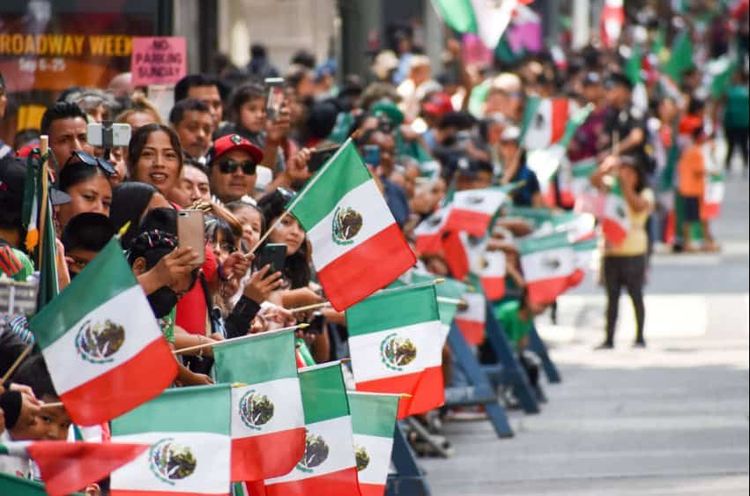
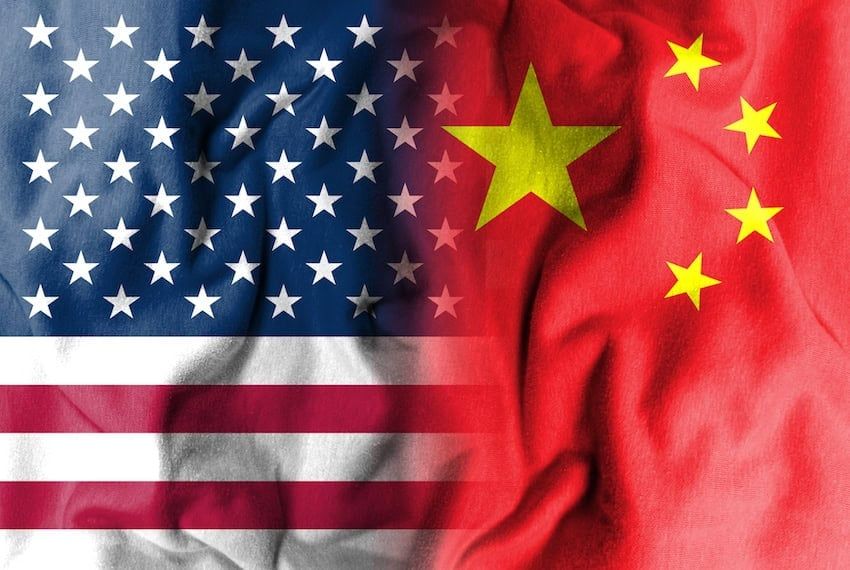
Mexicans now hold more favorable views of China and President Xi Jinping than of the United States and President Donald Trump, according to new polling data from the Pew Research Center that highlights a dramatic shift in bilateral relations.
The Spring 2026 Global Attitudes Survey, conducted across 36 countries between February 20 and April 10 using online, telephone, and face-to-face interviews, found that 59% of the 1,017 Mexican adults surveyed expressed favorable views of China—19 percentage points higher than the 40% who said the same about the United States.
Among Mexican respondents, 44% said they had a somewhat favorable view of China while 15% held a very favorable opinion. By contrast, only 27% viewed China unfavorably. The results mark the first time in almost two decades of Pew surveys that both Mexicans and Canadians view China more favorably than their North American neighbor.
Leadership confidence gap widens
The perception gap extends to national leaders. The survey found that 35% of Mexican respondents expressed confidence in Xi Jinping to do the right thing regarding world affairs, compared to just 11% for Trump. A striking 65% of Mexicans said they had no confidence at all in Trump on international matters.
The unfavorable view of U.S. leadership comes amid escalating trade tensions. On July 1, 2026, the Trump administration formally declined to renew the USMCA trade agreement in its current form during the mandatory six-year review, triggering annual reviews instead of the automatic 16-year extension. The agreement remains in force until at least 2036, but the decision reflects deepening economic friction between the neighbors.
The U.S.-Mexico trade deficit for goods nearly doubled from $111 billion in 2020 to $197 billion in 2025, fueling Trump administration criticism of the trade relationship. Beyond trade disputes, tensions have intensified over security issues, sovereignty concerns, and immigration enforcement. In 2025, at least 32 people died in ICE custody, marking a 290% increase over 2024's total of 11 deaths, with 19 additional deaths reported in ICE custody as of mid-2026.
Complex China relationship
Despite Mexico implementing tariffs ranging from 5% to 50% on over 1,400 Chinese product lines effective January 1, 2026—measures designed to protect approximately 350,000 jobs in sensitive sectors and demonstrate commitment to the United States ahead of the USMCA review—trade between the two nations has flourished. Mexico's imports from China reached a record high of $31.69 billion in the first quarter of 2026, representing a 4.43% year-on-year increase.
China's exports to Mexico totaled approximately $90.23 billion in 2024, creating a trade surplus of almost $120 billion, with China accounting for 21% of Mexico's imports. China now ranks as Mexico's second-largest trade partner, serving as the country's third-largest export market and second-largest source of imports.
The tariff package is expected to generate approximately $3.76 billion in additional tax revenue in 2026, though it has done little to dampen the commercial relationship or improve Mexican public perception of the United States relative to China.
Age and trust divides
The survey revealed significant generational differences in attitudes. Among Mexicans aged 18-34, 70% expressed favorable views of China, declining to 61% for those 35-49 and 44% for respondents 50 and older. Young Mexican adults also viewed the U.S. more favorably than older generations, with 52% of 18-34 year-olds holding positive views compared to 39% of 35-49 year-olds and 28% of those over 50.
Trust in U.S. democratic values has eroded sharply. Only 20% of Mexican respondents said the U.S. government respects the personal freedoms of its people—an all-time low in Pew surveys—while 35% said the same about China's government. This represents the first time Mexicans have been more likely to credit the Chinese government with respecting freedoms than the U.S. government.
Furthermore, 73% of Mexican respondents said the United States interferes in the affairs of other countries, while only 45% said the same about China. Just 28% of Mexicans believe the U.S. contributes a great deal or a fair amount to peace and stability around the world, down from 50% in 2023 when President Joe Biden was in office. By comparison, 47% said China contributes to global peace and stability, up from 41% in 2023.
Pew noted that 58% of Mexicans now consider China a reliable partner compared to 34% who say this about the United States—the largest gap on this question across the six Latin American countries surveyed. The polling data underscores how trade disputes, immigration enforcement, and perceived U.S. interference have reshaped Mexican public opinion, creating an opening for China to expand its diplomatic and economic influence in the region.