Mexican-born US population falls to 11.1 million amid shifting migration patterns
The Mexican-born population in the United States has declined to 11.1 million people in 2024, down from a peak of 11.7 million in 2007, according to a new report from the Migration Policy Institute, a Washington-based think tank specializing in migration issues.
Despite the decline, Mexicans remain the largest immigrant group in the United States, accounting for 22% of the total foreign-born population of 50.2 million. Over the past four and a half decades, the Mexican-born population increased fivefold from 2.2 million in 1980 before reaching its recent peak.
Enforcement and changing migration patterns
The Migration Policy Institute attributed the population decline to heightened immigration enforcement at the U.S.-Mexico border and within the interior of the country, where the Trump administration is pursuing an aggressive deportation agenda. Border encounters of unauthorized crossings fell to approximately 238,000 in fiscal year 2025, the lowest level in 55 years and a sharp departure from post-2021 patterns when annual encounters consistently exceeded one million.
The composition of border crossings has shifted dramatically. Mexican nationals represented 47% of unauthorized crossings in fiscal year 2025, reflecting significant diversification in migration flows. This marks a substantial change from 2003, when Mexicans accounted for 90% of irregular border crossings. By 2013, that share had fallen to 64%, and by 2023 it stood at just 29%.
The number of unauthorized Mexican immigrants declined 34% between 2007 and 2022, falling from 7.7 million to 5.1 million people. Current estimates suggest about 5.5 million unauthorized immigrants were from Mexico as of mid-2023, representing approximately half of the total Mexican-born population in the United States.
Geographic concentration and demographics
Between 2020 and 2024, 70% of Mexican immigrants in the United States were concentrated in five states: California (35%), Texas (22%), Illinois (6%), Arizona (5%), and Florida (2%). Nearly 35% lived in one of five metropolitan areas: Los Angeles, Chicago, Houston, Dallas, and Riverside.
The Mexican immigrant population displays distinct demographic characteristics. The median age stands at 47 years, equal to the overall foreign-born population but higher than the U.S.-born median of 37. Educational attainment remains relatively low, with only 10% of Mexican immigrant adults holding bachelor's degrees or higher, compared to 36% of all immigrants and 37% of the U.S.-born population. Nearly half of Mexican immigrant adults lack a high school diploma.
Language barriers persist, with 65% of Mexican immigrants aged 5 and older reporting they speak English less than very well, compared to 47% of all immigrants. However, labor force participation remains high at 68%, equal to the overall foreign-born population and exceeding the U.S.-born rate of 63%.
Economic profile and remittances
Mexican immigrants working in the United States are primarily employed in services (26%), natural resources, construction, and maintenance (25%), and production, transport, and material moving (20%). The median household income stands at $68,700, below both immigrant households overall ($82,400) and U.S.-born-led households ($81,400). Approximately 16% live in poverty, slightly above rates for the overall foreign-born population (14%) and U.S.-born population (12%).
The economic ties between Mexican immigrants and their homeland remain substantial. Mexico received $64.7 billion in remittances in 2024, representing approximately 3.5% to 3.7% of the country's GDP. Nearly all of these remittances—96.6%—came from the United States, with California and Texas alone accounting for 47% of the total. Mexico ranks as the world's second-largest recipient of remittances after India, with certain states showing particularly high dependence: Chiapas (14.6% of state GDP), Guerrero (14.0%), and Michoacán (11.2%).
However, remittances to Mexico declined 4.6% in 2025 to $61.8 billion, marking the biggest annual decline in 16 years and the first downturn in more than a decade, potentially reflecting increased immigration enforcement.
Legal status and settlement patterns
About 34% of Mexican immigrants hold U.S. citizenship, compared to 51% of immigrants overall, though many more are lawful permanent residents. Mexico was the top source of new green-card holders in fiscal year 2023, with 85% obtaining residence through family ties. Additionally, Mexican immigrants comprised 81% of participants in the Deferred Action for Childhood Arrivals program as of June 2024.
The Mexican immigrant population represents a long-settled community, with approximately 77% having arrived in the United States prior to 2010. An estimated 40.5 million U.S. residents trace their ancestry or heritage to Mexico, including both those born in Mexico and those born in the United States or elsewhere.
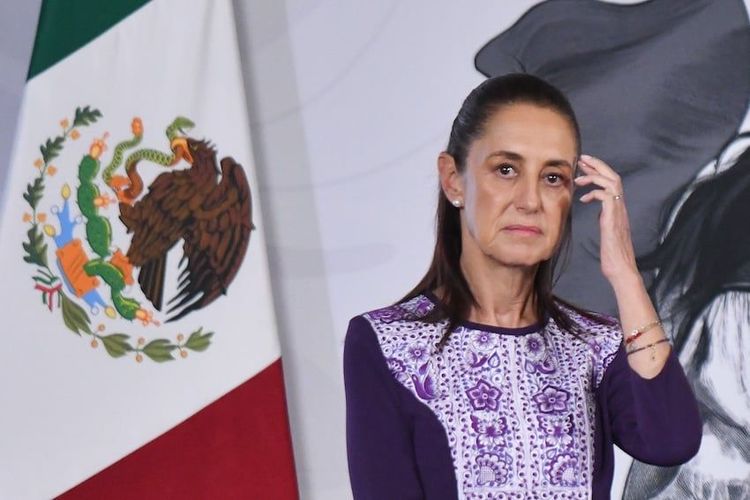
At a press conference Thursday, Mexican President Claudia Sheinbaum emphasized the enduring connection between the two countries. Noting that her sister has lived in the United States for more than 30 years, Sheinbaum said she believes all Mexicans have a close or distant relative living there.
That link will never be broken,she stated.