Sheinbaum criticizes US visa revocations as political interference following wave of cancelations
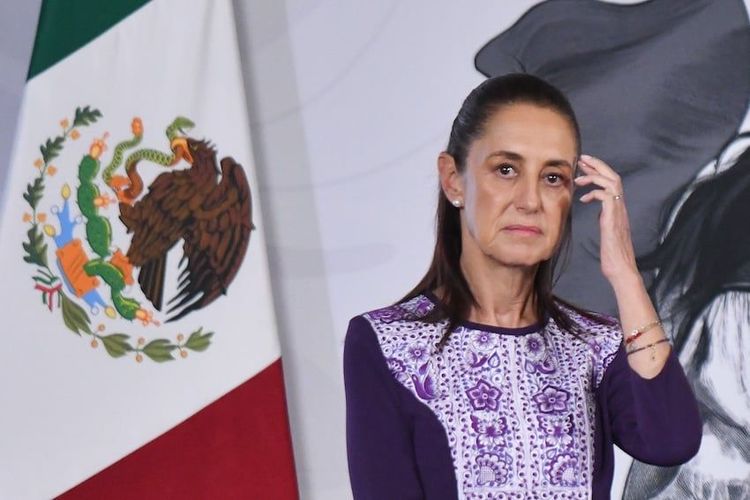
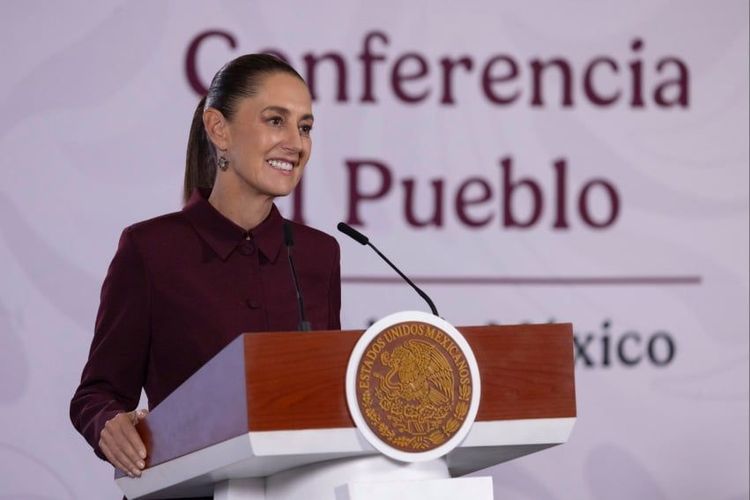
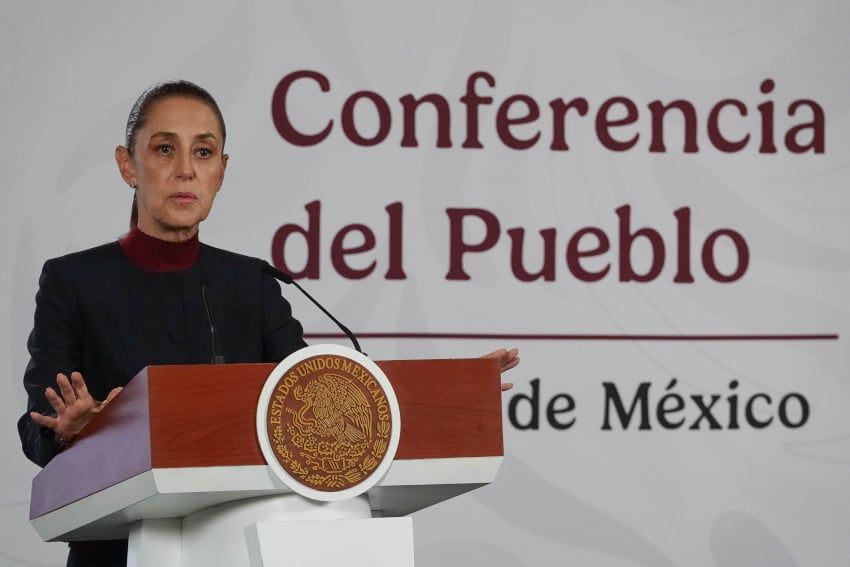
Mexican President Claudia Sheinbaum sharply criticized the United States government's cancelation of visas for Mexican officials affiliated with the ruling Morena party, characterizing the action as interference in Mexican politics during her Friday morning press conference.
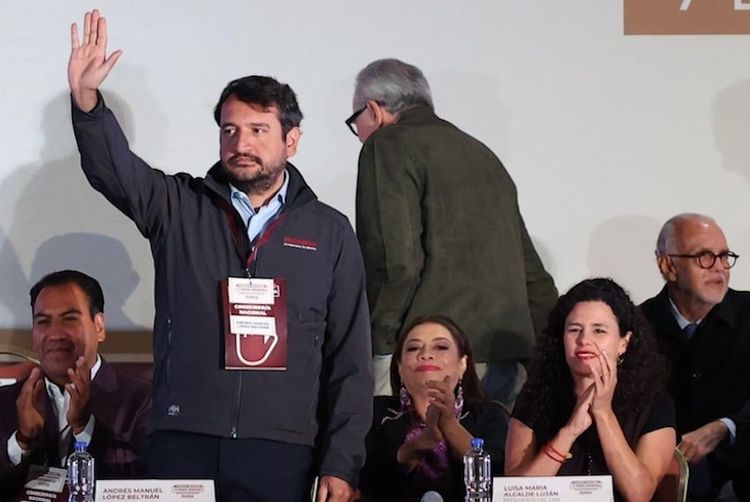
The president's remarks came one day after Andrés Manuel López Beltrán, son of former President Andrés Manuel López Obrador (AMLO), revealed that US authorities had revoked his visa. López Beltrán, who was elected as Morena's secretary of organization in September 2024 just weeks before his father left office, claimed in a letter to President Donald Trump that the revocation was politically motivated.
More than 50 Morena party politicians have had their US visas revoked, along with dozens of officials from other Mexican political parties, according to reporting from October 2025. Among those affected is Baja California Governor Marina del Pilar Ávila Olmeda, whose visa was canceled in May 2025. Leaked audio recordings from December 2025 captured Ávila discussing cooperation with individuals she believed were US authorities, though she later accused her predecessor of orchestrating a political trap.
This cancelation of visas essentially has a political meaning because it's not at the same level for all countries
Sheinbaum stated, suggesting that Mexico faces different treatment than other Latin American nations, particularly those with right-wing governments that joined a US-led counter-cartel coalition.
Former US ambassadors have acknowledged that while previous administrations used visa revocations as diplomatic tools, the Trump administration has employed them to an unprecedented degree, reflecting the president's willingness to apply pressure to achieve policy objectives.
Deportation statistics revealed
During the same press conference, Interior Ministry officials presented data showing that 271,193 Mexicans were repatriated from the United States between January 20, 2025, when Trump began his second term, and August 13, 2026. Of these, 171,508 crossed by land while 99,685 arrived on 816 flights to 10 Mexican airports.
Over 80 percent of deportees transported by air arrived in Villahermosa or Tapachula. Chiapas accounted for nearly 9 percent of all deportees with 23,915 people, followed by Guanajuato, Guerrero, Veracruz and Oaxaca.
The deportation figures are noteworthy given historical context: in fiscal year 2024, ICE deported more than 271,000 unauthorized immigrants under the Biden administration, the highest number since 2014 and surpassing Trump's first-term peak of 267,000 deportations in 2019.
Sergio Salomón Céspedes, director of the National Institute of Migration, confirmed that Mexico has established reception centers called "Mexico Embraces You" at all arrival points to provide temporary housing and assistance to deportees before they resettle in Mexico.
No evidence against López Beltrán, president says
When questioned about potential investigations into López Beltrán regarding tax evasion and fuel smuggling allegations, Sheinbaum stated firmly:
There is nothing against the president's son.
The president emphasized that while her administration would not shield anyone who committed crimes, it would not open investigations solely because the US revoked someone's visa.
If there was an FGR investigation, we are not going to provide cover for anyone if they committed a crime. But nor are we going to open an investigation because the United States takes away a visa.
López Beltrán, 39, is expected to run for a seat in Mexico's Chamber of Deputies in the 2027 midterm elections, likely representing a district in his home state of Tabasco. For most of his father's presidency, he stayed out of party politics and focused on a chocolate business before taking on formal party leadership just before AMLO left office.
The timing of López Beltrán's visa revocation raised questions, as it came just days after the State Department announced visa cancelations for individuals associated with Cartel Jalisco New Generation, an organization linked in court documents to large-scale fuel smuggling operations. Whether the two actions are connected remains unclear.
Bilateral tensions mount
The visa revocations add to mounting tensions in the Mexico-US relationship. Sheinbaum accused the Mexican political right of becoming "increasingly subservient to the United States" and using the visa cancelations for political advantage.
Other friction points include the CIA's participation in a drug lab raid in Chihuahua in April 2026 without Mexican government authorization, US prosecutors' drug trafficking accusations against Sinaloa Governor Rubén Rocha Moya, and the Trump administration's decision not to renew the USMCA trade agreement.
Regarding the criminal case against Governor Rocha, Sheinbaum reiterated the Federal Attorney General's position that the United States has not presented sufficient evidence to warrant his extradition, maintaining that stance despite US pressure.