Mexico pursues criminal justice for 17 nationals who died in ICE custody
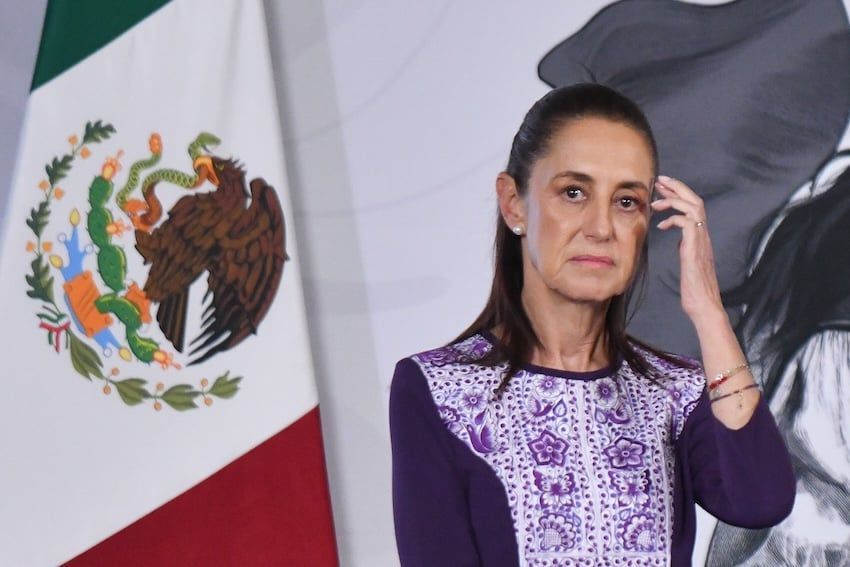
President Claudia Sheinbaum's administration is maintaining diplomatic and legal pressure on the United States following the deaths of 17 Mexican nationals in the custody of Immigration and Customs Enforcement (ICE) or during ICE operations. The government has taken the unusual step of filing criminal complaints directly with U.S. prosecutors rather than leaving the matter to victims' families.
Foreign Affairs Minister Roberto Velasco explained during Wednesday's presidential press conference that Mexico is seeking justice through investigations into each death, determination of criminal responsibility, and potential charges where warranted. The 17 Mexican deaths occurred between June 2025 and July 2026, with 14 fatalities in detention centers and three during ICE operations.
Broader context of ICE custody deaths
The Mexican deaths are part of a larger pattern affecting immigrants in U.S. custody. According to Detention Watch Network data, 19 immigrants have died in ICE custody in 2026, while 31 died in 2025. By comparison, ICE reported 26 total deaths across President Biden's entire term in office.
The most recent death that prompted Mexico's legal escalation involved Lorenzo Salgado Araujo, a 52-year-old who was fatally shot by an ICE agent during an enforcement operation in Houston on July 7, 2026. Salgado Araujo had lived in the United States for approximately 35 years.
Legal and diplomatic strategy
In July, Mexico filed a total of 20 complaints with prosecutors across eight U.S. states: Arizona, California, Florida, Georgia, Illinois, Louisiana, Missouri and Texas. Eight complaints were filed with state prosecutors' offices and twelve with county prosecutors' offices, reflecting the geographic spread of the deaths.
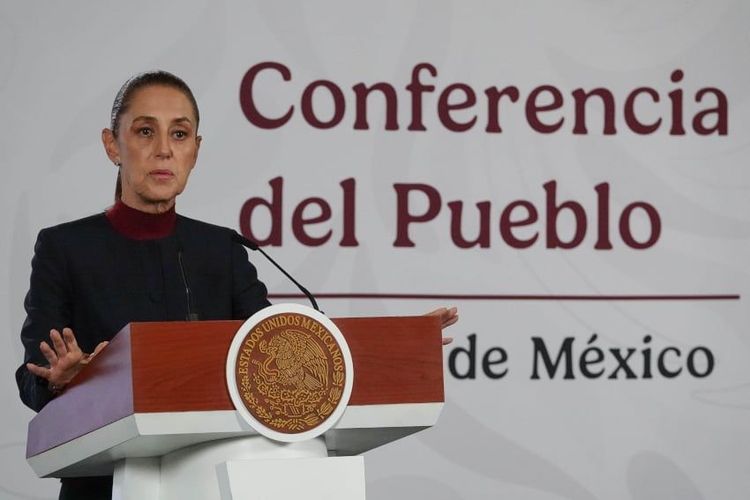
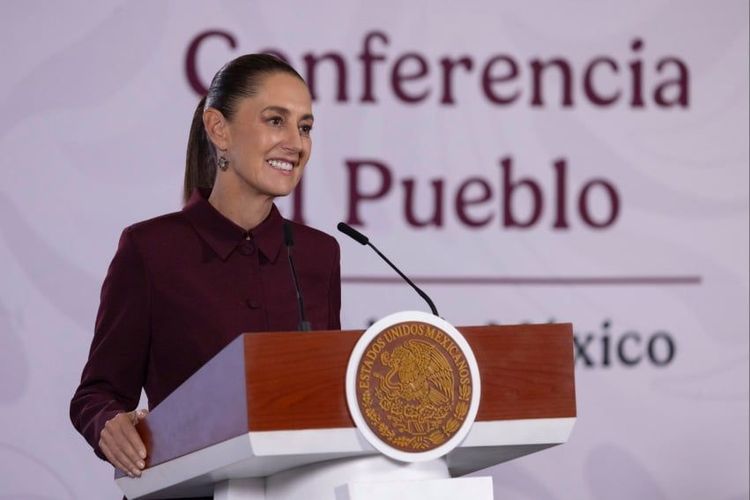
Sheinbaum emphasized that while families normally file such complaints with government support, the scale of the situation warranted direct government action.
We're now talking about 17 compatriots who have died in the United States. Our obligation is always to defend Mexicans in the United States or anywhere in the world.
Mexico has also requested intervention from the Inter-American Commission on Human Rights and United Nations High Commissioner for Human Rights Volker Türk to advocate for protections for Mexican nationals in ICE custody, demonstrating a multi-pronged international approach.
Security operations target cartel leadership in Michoacán
During the same press conference, Sheinbaum confirmed that a federal security operation in Michoacán on Wednesday morning provoked violent responses in several areas of the state. Criminal groups set up narco-blockades on highways by setting vehicles ablaze.
The president said the operation targeted "one or several important targets" but did not provide names. Reports indicate the primary target was Heraclio Guerrero Martínez, known as "Tío Lako," a senior figure in the Jalisco New Generation Cartel (CJNG). Guerrero Martínez, over 70 years old, is considered one of the most important associates of CJNG leader Nemesio Oseguera Cervantes, known as "El Mencho," with operations centered in Tinaja de Vargas, Tanhuato, Michoacán.
The Guerrero family has operated in the Tanhuato region for approximately 30 years, initially as cattle ranchers before transitioning to criminal activity. Heraclio assumed leadership after his brother Javier Guerrero Martínez was killed in a 2011 gun battle.
The Mexican Army was deployed to Michoacán to support the response. Five suspected criminals were reportedly killed Tuesday during a clash between the army and a criminal group in the municipality of Los Reyes. Sheinbaum stated that the Security Cabinet would provide additional information later in the day.
Major investment projects announced for Hidalgo
On a different note, Hidalgo Governor Julio Menchaca announced more than 16 billion pesos in new investment projects during the morning conference.
Investment firm Dewa Capital will invest 10.1 billion pesos (US $595.7 million) to develop an Economic Development Hub for Well-being in the municipality of Zapotlán de Juárez in southern Hidalgo. The project will span more than 910 hectares and is designed to attract advanced manufacturing, logistics, pharmaceutical and medical device companies. The first stage, costing 2 billion pesos, will include construction of two industrial buildings and is expected to create approximately 5,100 jobs.
Additionally, Cooperativa Cruz Azul will invest 6.5 billion pesos (US $383.3 million) to "reactivate" a cement plant in Tula de Allende. The plant, which accounts for up to 40 percent of the company's production capacity, was regained by Cruz Azul in February 2026 after a five-year internal dispute that ended with 33 arrests. Founded in 1881 by British businessman Henry Gibbon, Cruz Azul operates as a worker cooperative and owns one of Mexico's most famous football clubs, Club Deportivo Cruz Azul, which was organized by company workers in 1927.