Real patient experience sheds light on navigating urgent healthcare in Mexico
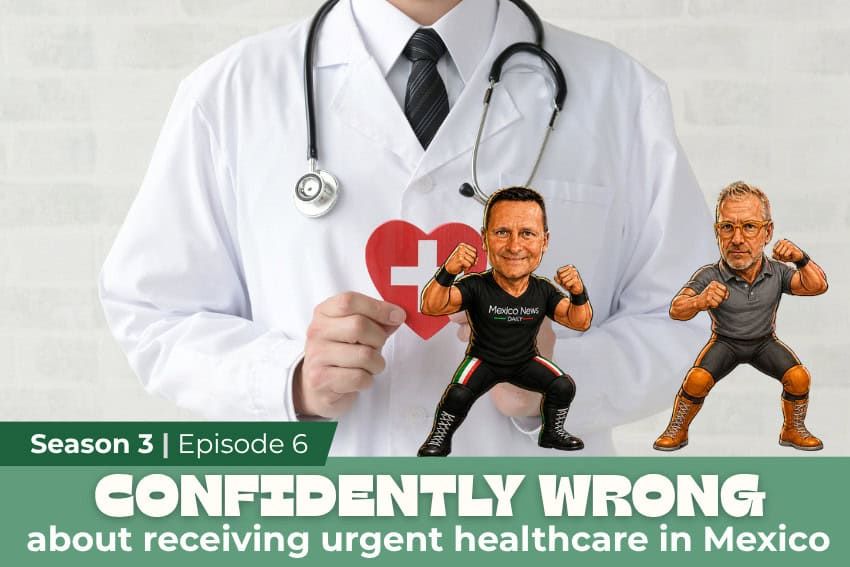
The latest episode of Mexico News Daily's "Confidently Wrong" podcast offers an unfiltered look at what foreigners can expect when facing urgent medical situations in Mexico, drawing from co-host George Reavis's recent experience with heart surgery in the country.
The episode builds on previous podcast coverage that analyzed results from over 700 foreigners surveyed about their healthcare experiences across Mexico. That earlier discussion addressed the most common questions expatriates ask about medical care: finding doctors, affordability and system reliability.
This time, the conversation shifts from survey data to lived reality. Reavis walks through his entire cardiac care journey, from initial doctor consultations through the surgical procedure and recovery. The discussion covers practical details about interacting with Mexican medical professionals, navigating the healthcare system and managing insurance claims.
Understanding the financial landscape
The cost differential between Mexican and American healthcare remains substantial. Heart surgery procedures in Mexico typically range from $15,000 to $25,000, representing savings of 50-80% compared to the United States, where identical procedures can cost between $70,000 and $200,000. These price differences help explain why Mexico attracts between 1.4 to 3 million medical tourists annually, with approximately 60% arriving from the United States, making it the world's second-largest medical tourism destination after Thailand.
The medical tourism sector continues expanding rapidly. Mexico's medical tourism market reached $1.73 billion in 2024 and projections indicate growth to $10.36 billion by 2033, reflecting an annual growth rate of 19.57% during the 2025-2033 period.
Healthcare system options and limitations
Mexico's healthcare landscape is currently undergoing significant transformation. The government is consolidating INSABI into IMSS-Bienestar with the goal of guaranteeing free healthcare for all vulnerable populations by 2027. This consolidation aims to create universal health coverage by coordinating IMSS, IMSS-Bienestar and ISSSTE into an integrated network.
Legal residents can voluntarily enroll in IMSS, Mexico's social security health system, for annual premiums based on age that typically cost less than $500. However, the system excludes pre-existing conditions and imposes waiting periods for certain treatments. Additionally, IMSS public hospitals do not provide full nursing services and rely on patients' networks of friends and family to perform services that nurses would typically handle in American and Canadian hospitals, including overnight care.
American expatriates should note that US Medicare does not cover medical services provided in Mexico, and voluntary IMSS payments are generally not deductible on US tax returns.
Quality and accreditation
Private hospitals in major Mexican cities including Mexico City, Guadalajara and Monterrey often feature internationally trained doctors and modern technology meeting or exceeding international standards. Many facilities hold JCI or CSG accreditation, providing quality assurance for foreign patients.
Many expatriates adopt a hybrid healthcare approach, combining public IMSS enrollment with private insurance or paying out-of-pocket for routine private care while maintaining insurance coverage exclusively for hospitalization and major medical events.
Chief Executive Officer Travis Bembenek, who has been living, working or spending time in Mexico for nearly three decades, emphasizes the episode's value for anyone seeking to understand the realities of urgent healthcare in Mexico. The discussion features unbiased, real-world perspectives relevant to foreigners wanting detailed knowledge about navigating the Mexican healthcare system during medical emergencies.