Sheinbaum rejects Australia-style social media ban for Mexican minors
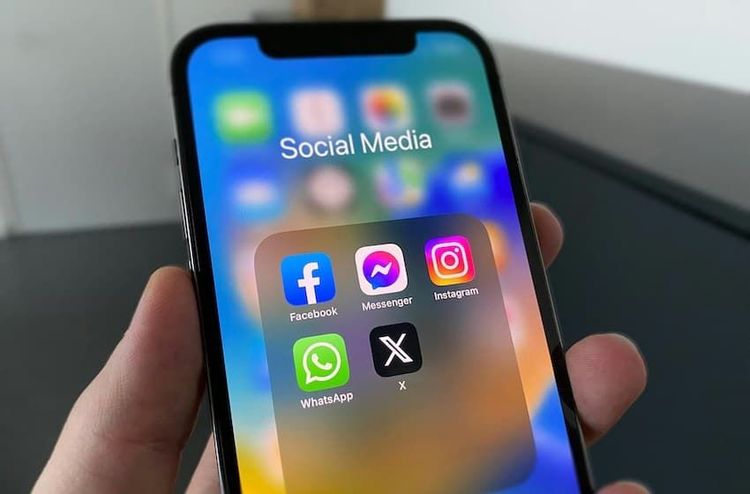
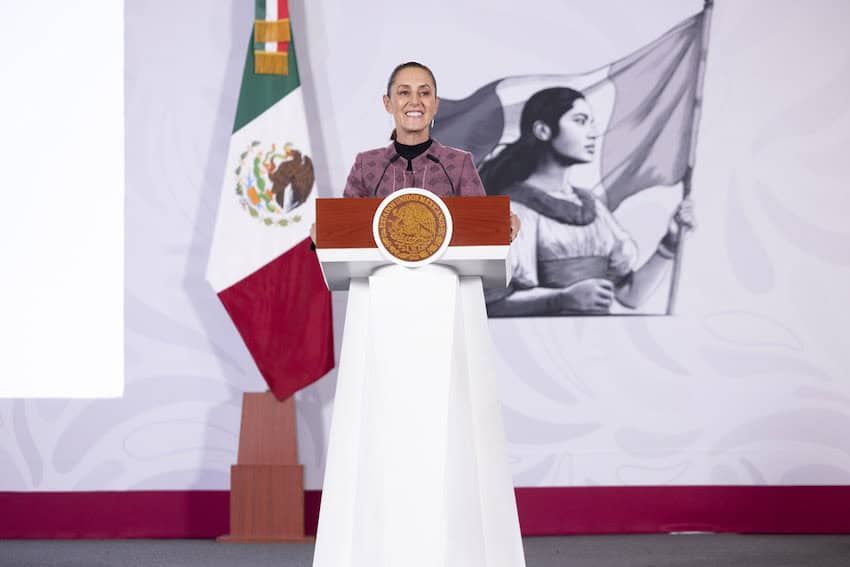
President Claudia Sheinbaum declared at her Monday press conference that Mexico will not follow Australia's lead in banning social media access for young teenagers, despite ongoing government efforts to regulate children's digital device use and online exposure.
Sheinbaum characterized a complete social media prohibition for minors as "very problematic," questioning how such restrictions could be effectively enforced and warning that forbidden platforms might become more attractive to young people precisely because they are banned.
Teachers to shape policy on classroom devices
Education Minister Mario Delgado announced a nationwide consultation scheduled for August 24-25, just days before the August 31 start of the academic year. More than 1 million teachers across over 200,000 schools throughout Mexico will participate in discussions about managing digital devices in educational settings.
"We're going to have a conversation and we want teachers to propose and debate what we have to do regarding the presence of digital devices in schools," Delgado stated.
Sheinbaum noted that 16 of Mexico's 32 states already restrict cell phone use in classrooms. The administration aims to implement consistent nationwide regulations on classroom device use while addressing broader concerns about excessive screen time, compulsive scrolling behaviors, and children's exposure to inappropriate content or contact with unknown adults, including potential predators.
Australia's enforcement shows scale of alternative approach
The Australian government implemented its social media ban for users under 16 on December 10, 2025, following passage of the Online Safety Amendment (Social Media Minimum Age) Act 2024 in November 2024. The legislation covers major platforms including Facebook, Instagram, TikTok, Snapchat, YouTube, X, Reddit, Threads, Twitch and Kick.
By mid-January 2026, Australian authorities reported that more than 4.7 million social media accounts believed to belong to individuals under 16 had been deactivated, removed or restricted. Technology companies that fail to take reasonable steps to prevent underage account creation face potential fines reaching $50 million.
Several other nations are preparing similar legislation, but Mexico has chosen a different path focused on safe use rather than outright prohibition.
Mental health concerns drive regulation debate
The push for social media regulation stems from mounting evidence of psychological impacts on young users. According to U.S. data, 45% of adolescents reported spending excessive time on social media in 2024, up from 36% in 2022. Research shows children spending more than three hours daily on social media platforms face double the risk of mental health problems, including depression and anxiety symptoms.
Up to 95% of young people aged 13-17 in the United States use social media platforms, with nearly two-thirds accessing them daily and one-third using them almost constantly.
"In general, we'll look at how we can regulate to avoid endless scrolling and this addiction that is causing so many psychological problems in girls and boys and adolescents," Sheinbaum explained. The government seeks to create what she termed a "scheme" ensuring minors can use social media safely without complete prohibition.
Two Mexicans confirmed dead in Colombia earthquake
Sheinbaum confirmed that two Mexican citizens died in the devastating 7.4-magnitude earthquake that struck Colombia on August 10, 2026. The Foreign Affairs Ministry has contacted the families of the victims, and relatives have traveled to Colombia.
The earthquake struck at 7:34 AM local time with its epicenter approximately 5 kilometers east of San José del Palmar in Chocó department, about 173 miles west of Bogotá. The temblor was the most powerful to hit Colombia this century, killing at least 294 people, injuring more than 4,100, and leaving over 140 confirmed missing.
The victims were identified as Mario Alberto Zapata and Brenda Eloísa Flores, a married couple from Durango who were staying at the Hotel Dibeni in Pereira when the building collapsed during the earthquake. More than 12,000 homes were destroyed and over 74,000 residences damaged, with more than 170 buildings collapsed and significant infrastructure damage including a pedestrian bridge and 20 road bridges.
Mexico dispatched approximately 19.5 tons of nonperishable food and humanitarian aid to Colombia, with plans to send an additional 39 tons. However, the Colombian government barred Mexican military rescue teams from entering the country. Colombia's newly inaugurated President Abelardo de la Espriella, who took office just days before the disaster, faced accusations of selectively accepting rescue assistance, with his government stating it would only accept teams from the United States, El Salvador, Ecuador and Israel.