Mexican iceberg lettuce safe to eat as authorities find no contamination evidence
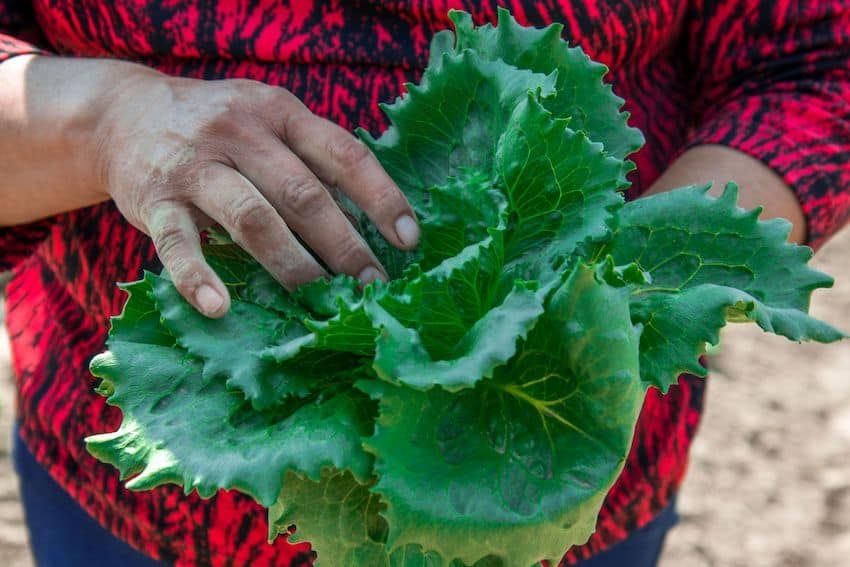
Mexican iceberg lettuce from central production regions remains safe for consumption, according to available evidence from health authorities in both Mexico and the United States investigating a major Cyclospora outbreak that has affected thousands of Americans this year.
On July 21, Mexico's Ministry of Health confirmed three cases of cyclosporiasis domestically but characterized them as routine occurrences, ruling out any outbreak within the country. The announcement followed a critical development in the investigation: the U.S. Food and Drug Administration reversed a positive test result for the Cyclospora cayetanensis parasite that had been obtained from lettuce sourced from Taylor Farms in Guanajuato.
The FDA's laboratory specialists reviewed the sample again and determined the initial positive result was incorrect. Taylor Farms de Mexico acknowledged the correction, stating that the FDA has not identified a single confirmed positive product test result for Cyclospora.
Outbreak affects over 11,000 Americans
Since May 1, 2026, more than 11,000 confirmed or probable cases of cyclosporiasis have been reported to the Centers for Disease Control and Prevention, a dramatic increase from the 2,700 cases reported throughout all of 2025. The CDC issued a Health Alert Network notice on July 14 detailing 1,645 confirmed cases and over 5,100 cases requiring further analysis, with 141 hospitalizations and no deaths.
Michigan has been hit hardest with 6,571 reported cases, followed by Ohio with 1,274 cases. The outbreak has prompted health alerts across multiple states, particularly in the Midwest region where Taylor Farms products were distributed.
Cyclospora cayetanensis infects the small intestine and causes watery diarrhea with frequent, sometimes explosive bowel movements. Symptoms typically develop after a median incubation period of seven days and may persist for weeks to months without treatment. The parasite requires one to two weeks to mature in the environment after being shed before becoming infectious, making contaminated food or water the primary transmission route rather than person-to-person contact.
Recall remains in effect despite negative tests
Despite the lack of confirmed contamination evidence, Taylor Farms maintains its voluntary recall of all iceberg lettuce produced in central Mexico. The recall affects products distributed to 27 U.S. states between June 29 and July 16, 2026, including lettuce served at Taco Bell restaurants in Indiana, Kentucky, Michigan, Ohio and West Virginia.
Recalled products include Marketside-brand items available at Walmart: Iceberg Salad in 12-ounce or 24-ounce packages and Shredded Lettuce in 8-ounce or 16-ounce packages, with Best if Used By dates ranging from July 18 to August 3, 2026. Taco Bell initiated its own recall of lettuce sourced from Taylor Farms de Mexico starting July 17.
Binational investigation continues
Speaking at Tuesday's presidential press conference, Health Minister David Kershenobich addressed the FDA's correction and emphasized that no conclusive evidence of contaminated produce in Mexico has been found. Mexican authorities have deployed teams to Guanajuato to collect samples and conduct independent research in collaboration with the U.S. Centers for Disease Control and Prevention.
The Mexican Ministries of Health and Agriculture activated an inter-institutional technical group led by the Federal Commission for Protection against Sanitary Risks (Cofepris) and the General Directorate of Epidemiology to work with U.S. counterparts on the investigation. Cofepris, a decentralized entity within the Ministry of Health, serves as Mexico's primary federal authority responsible for regulating food safety, pharmaceuticals and medical devices.
The collaboration reflects the significant trade relationship between the two countries: approximately one-third of all FDA-regulated human food imported into the United States comes from Mexico, including 60 percent of fresh produce imports. The FDA has maintained a formal food safety partnership with Mexican agencies SENASICA and Cofepris since September 2020.
From the outset, Mexican officials clarified that references to the country of origin represented traceability measures rather than conclusive proof that contamination occurred within Mexican territory. Authorities in both nations said they will continue coordinating to determine the outbreak's source.
Cyclospora outbreaks linked to fresh produce
Historical data shows that cyclosporiasis outbreaks have frequently been associated with fresh produce, including contaminated raspberries, fresh imported herbs such as basil and cilantro, bagged salad mixes and romaine lettuce. Basil and raspberries have accounted for 65 percent of major outbreaks in past years.
The illness can be treated with the antibiotic trimethoprim/sulfamethoxazole, commonly known by brand names including Bactrim, Cotrim or Septra, though the condition is self-limiting in most patients with healthy immune systems.