A Mexican Student's Perspective: School Safety in the U.S. vs. Mexico
When asked about safety, most Americans express concern about attending school in Mexico. Yet for Zella Golden, a high school senior who grew up in San Miguel de Allende and now attends boarding school in California, the question feels backwards.
"Attention, this is a lockdown drill. Please remain in your classrooms and lock the doors." These instructions, now routine for American students, were completely new to Golden when she arrived in California two years ago. The K-12 School Shooting Database recorded 233 school shooting incidents in 2025, the lowest total since 2020 but still representing a persistent crisis. The number marks a decline from the 2023 peak of 352 incidents, yet remains dramatically higher than pre-pandemic levels.
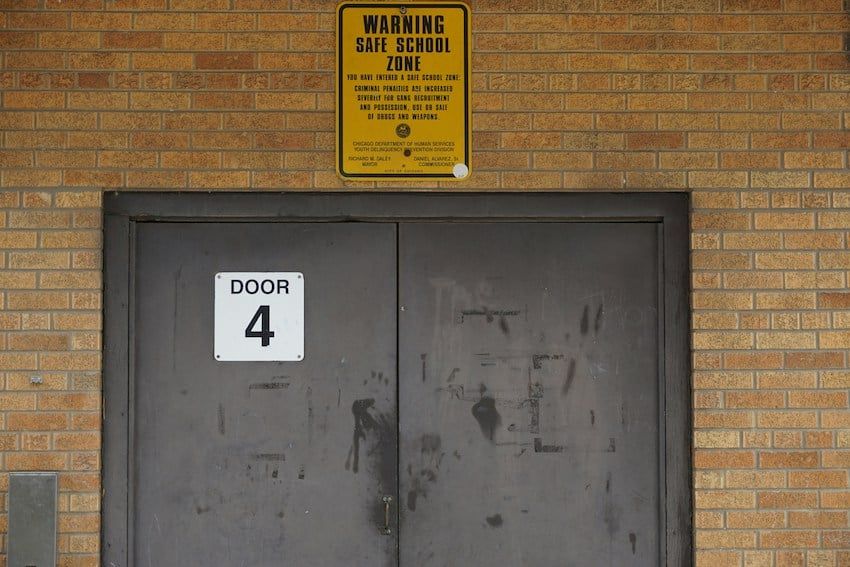
Golden's first lockdown drill came just two weeks into her sophomore year during English class. An unfamiliar voice ordered students to turn off lights, lock doors, and sit silently in the classroom's back corner. While confusion spread across her face, her American classmates appeared entirely unfazed, having practiced this response countless times throughout their education. Approximately 98% of U.S. public K-12 schools conducted lockdown drills during the 2019-2020 school year, making the experience nearly universal for American students.
The normalization of such drills varies by state. New York requires four lockdown drills annually, while Texas and Virginia mandate two per year, reflecting how school safety protocols have become embedded in American education at different intensities across the country.
A Stark Statistical Contrast
The difference between the two countries becomes clear in the numbers. Between 2009 and 2018, the United States experienced 288 school shootings compared to just eight in Mexico during the same period. Since 2004, Mexico has recorded only 17 school shootings total, with incidents typically resulting in zero to two deaths. This rarity persists despite high levels of organized crime in some Mexican regions.
The 233 U.S. incidents in 2025 resulted in 148 victims who were injured or killed, down from an all-time high of 276 victims in 2024. Notably, students themselves were the perpetrators in 42.7% of K-12 school shootings between 1966 and 2025, making them the most likely offenders and highlighting how the threat often comes from within rather than outside school walls.
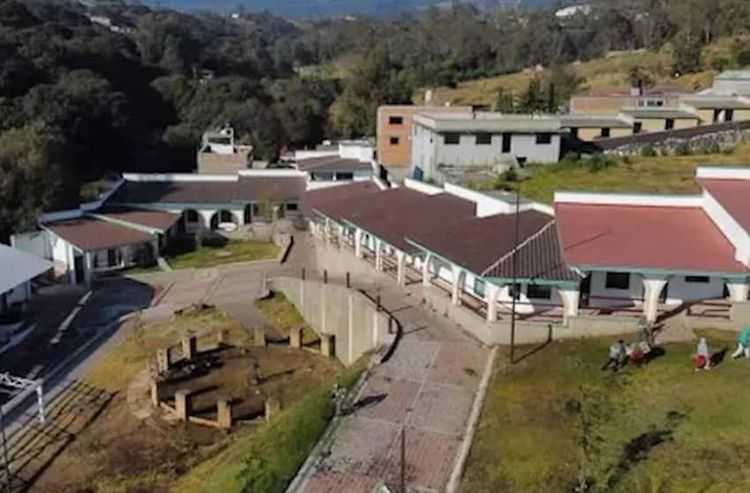
Golden's experience in San Miguel de Allende tells a different story. The city maintains a moderate crime index of approximately 50-52% with homicide rates of 3-5 per 100,000 people, lower than many major Mexican cities and below the national average. At Colegio Newland, the bilingual school she attended from fourth through ninth grade, security measures included guard dogs patrolling at night and QR code systems for campus entry, but lockdown drills for active shooters were never part of the routine.
Two Approaches to School Safety
Both countries have responded to safety concerns, but through different lenses. In 2012, a viral video of a Monterrey kindergarten teacher conducting safety protocols during nearby gun violence prompted Mexico's federal government to create the Dignified Schools Program, focusing on improving infrastructure rather than preparing for armed intruders within schools.
The Guanajuato Education Ministry provides both public and private schools with emergency protocols covering evacuations, violence, and armed individuals, encouraging schools to assess risks and create safety plans. Golden's California boarding school, by contrast, has security guards and locked front gates but fewer of the advanced preventive measures she knew in Mexico. Last year, classes were even canceled when a neighboring school received a bomb threat.
The contrast extends beyond campus. Golden and her friends regularly spent afternoons in San Miguel's center, staying out late and walking home together. She never felt unsafe, initially attributing this to her twin brother's presence until realizing after her move that he wasn't actually deterring any threats.
In California, a weekend trip to San Francisco brought a jarring experience. A violent fight erupted on a bus near the Financial District, with people running on and off while screaming at each other. Golden and her international student friends watched in horror, but once again, nearby Americans appeared unfazed by the chaos.
When Danger Becomes Normal
This normalization concerns Golden most. Danger should never feel routine, yet the calm reactions of her classmates during drills and bus passengers during violence revealed how frequent exposure can make the extraordinary seem ordinary.
Golden acknowledges her experience doesn't represent all of Mexico. The country faces real security challenges, and many communities experience them far more directly than she did in San Miguel de Allende. Yet the automatic association of Mexico with danger frustrates her, especially given her lived reality.
When friends assume Mexico is too dangerous for families or education, she shares the home she knows instead. Her story challenges the stereotypes that shape how people perceive a place they've never experienced firsthand, revealing how safety itself can be a matter of perspective shaped by what becomes normalized in daily life.