Cleanup and coastal monitoring
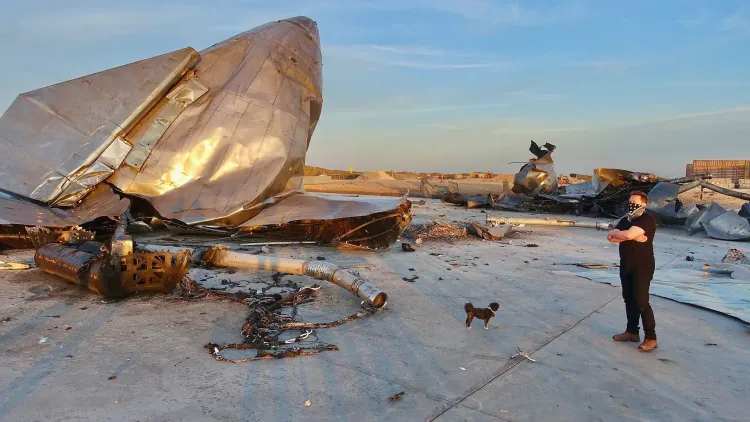
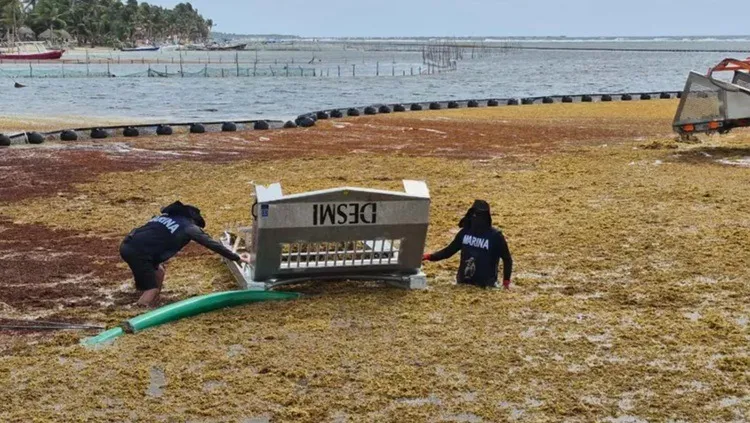
The booster exploded on November 13, 2026, scattering debris into the Gulf of Mexico. Profepa said material began reaching the Mexican coast at about 7:30 a.m. on November 17, four days later. According to VietnamPlus, the agency identified pieces its inspectors were collecting as protective material from inside the booster.
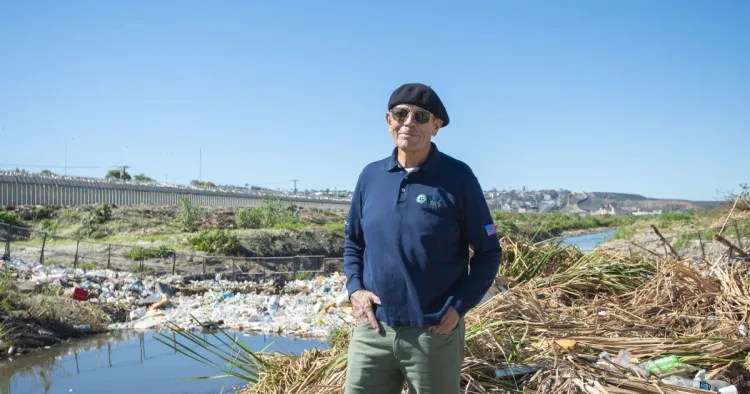
Conibio Global has documented more than 1,500 fragments in the coastal area. Environmental activists described them as large pieces consisting mainly of highly heat-resistant plastics. The organization's president, Jesús Elías Ibarra Rodríguez, said weather, the volume of debris and the size of individual pieces were complicating removal. Some pieces, he said, weighed between 15 kilograms and half a metric ton.
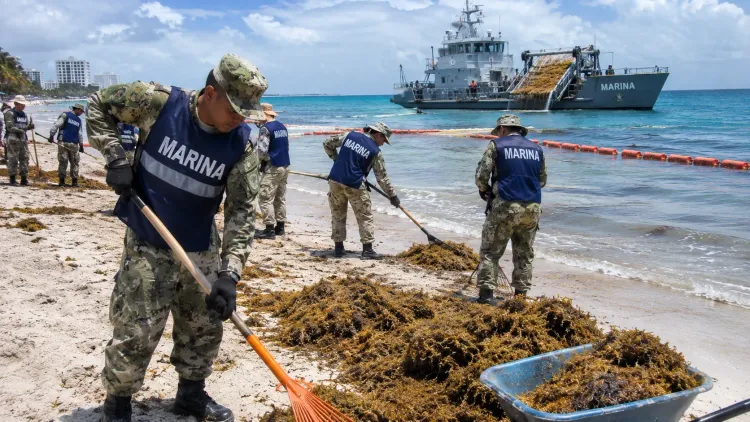
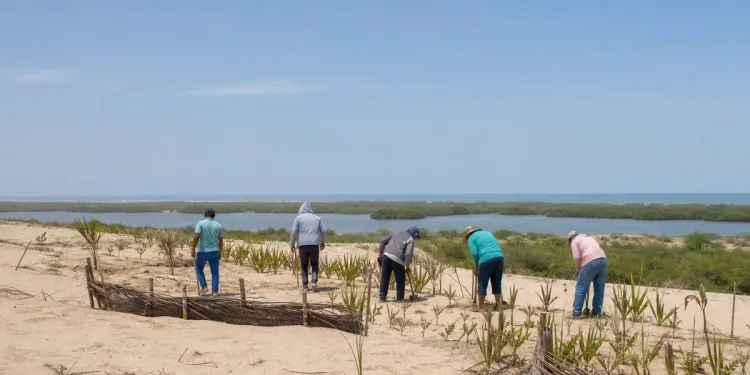
Community monitoring brigades from the National Commission for Nature Reserves, known as Conanp, are collecting the debris alongside Conibio. Profepa separately reported that about two kilograms of material potentially linked to the launch had been collected so far. The agency is taking custody of the material and supervising its transfer to Navy Ministry facilities, where it will remain until the responsible company retrieves it for proper handling.
Profepa said Mexican Navy personnel had maintained surveillance in the area since the explosion. It also praised residents' monitoring efforts while urging them to leave debris untouched and report discoveries through official channels.
The booster failure and SpaceX's response
SpaceX's Kate Tice said the Super Heavy booster's engines shut down prematurely during its November 13 descent. Its guidance system detected that it was out of position and automatically diverted it offshore and triggered self-destruction. Engineers were still investigating the cause as of November 14, according to the Associated Press.
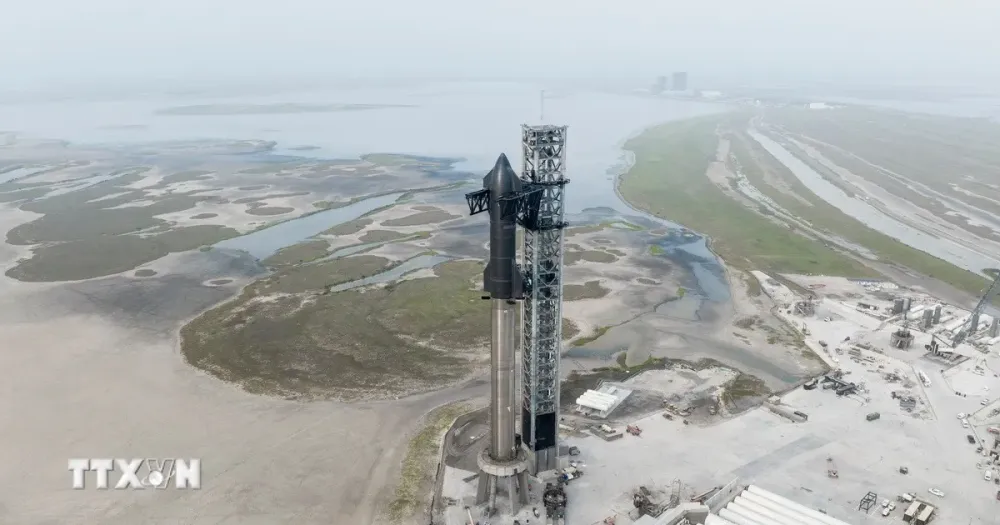
On November 14, the Starship upper stage returned from orbit and was caught above Starbase, Texas, by the launch tower's mechanical arms. The Associated Press described the maneuver as the first capture of a Starship returning from space. The booster failure prevented SpaceX from completing its planned catch of both stages.
SpaceX has rejected claims that Starship remnants endanger areas near its operating base, saying the materials inside the vehicle present no chemical, biological or toxicological risks. It has sought Mexican authorities' help recovering debris in Tamaulipas, asserting ownership of the wreckage and saying unauthorized people trespassing on private property had obstructed recovery efforts.
Wildlife deaths under investigation
Conibio Global environmentalists also documented a dead sea turtle and dolphin near the area where Super Heavy exploded. They said investigations were continuing to establish the causes of the deaths and determine responsibility.
The group has raised separate concerns about earlier Starbase activity. As of September 2025, it reported that about 900 endangered turtles had died that year after becoming trapped in underground nests. Conibio attributed the deaths to sand compacted by launch and test vibrations, including those from a June 2025 ground explosion involving a rocket still attached to its launch arm.
Earlier legal plans and damage reviews
The latest debris recovery follows earlier discussions between Mexico and SpaceX over the company's border operations. President Claudia Sheinbaum announced in 2025 that her administration would prepare a lawsuit over risks to safety and ecosystems in Tamaulipas. That potential legal action was ultimately dropped in favor of communication channels with SpaceX and U.S. authorities to obtain launch notifications and jointly assess environmental consequences.
Noise and pressure effects were addressed in the FAA's 2025 Final Tiered Environmental Assessment for Starship. For a booster returning to the launch pad, the assessment projected sonic boom pressures reaching 10 pounds per square foot in northeastern Tamaulipas, with the Faro Bagdad lighthouse within that zone. It also put Brownsville and most of Matamoros within the 111-decibel launch noise zone. The assessment says SpaceX must carry insurance covering structural damage claims arising from events such as sonic booms.
Tamaulipas Secretary of Urban Development and Environment Karl Heinz Becker Hernández said reports attributing housing damage to rocket vibrations had been sent to federal agencies for technical review to establish whether the launches were directly connected. He also said Profepa, the Navy and the Foreign Ministry participate in a standing working group.