Inspectors sent to identify the waste
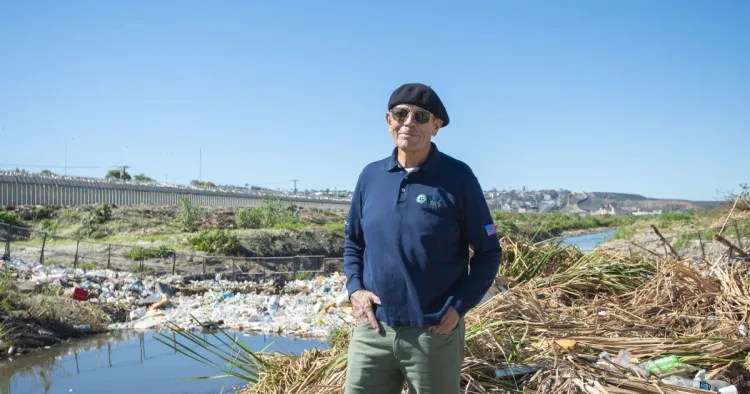
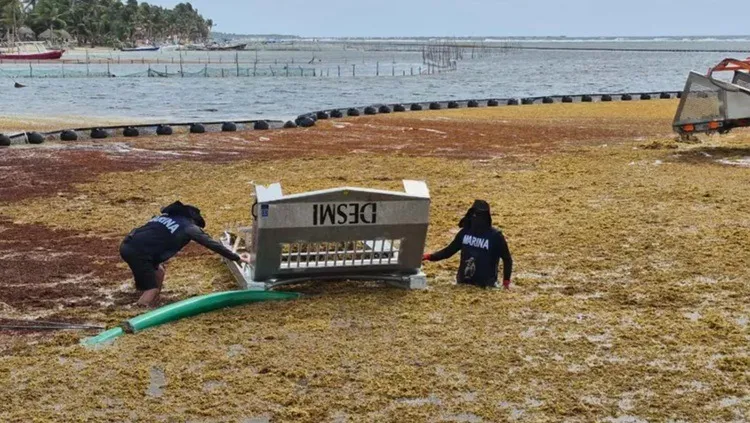
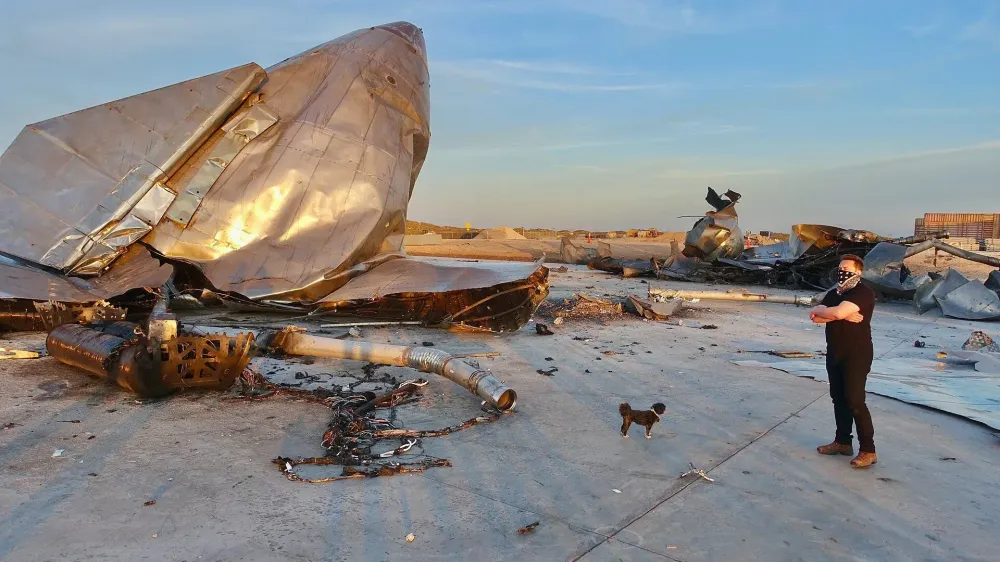
Playa Bagdad, near Matamoros in Tamaulipas, lies south of SpaceX's Starbase launch site in Texas. Environmental group Conibio Global reported finding rocket fragments and dead marine animals along the beach. KRGV separately reported a count of 18 tanks, but their contents, ownership and connection to Starship remain unidentified.
Mexico's Federal Attorney General's Office for Environmental Protection, or PROFEPA, dispatched inspectors to identify the waste and investigate. The Independent reported on November 19, 2026, that the agency had said SpaceX "will be asked to take responsibility for it," citing a statement carried by El Universal.
Conibio Global spokesperson Ernesto Rodríguez expressed concern that the animal deaths might be collateral damage from the launch explosion. He also made clear that their cause had not been determined.
The flight cited in the latest account
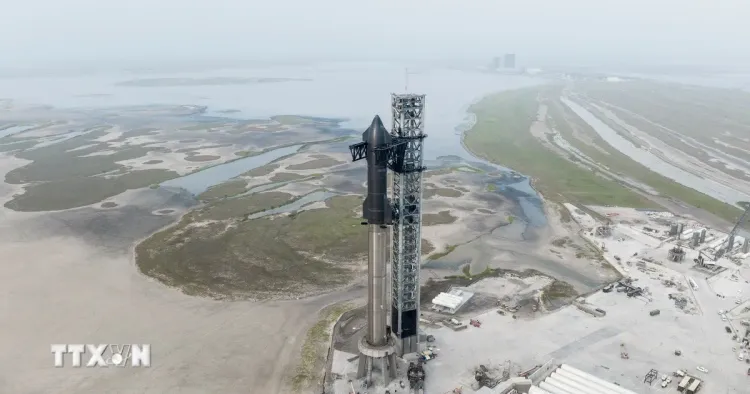
The Independent linked the suspected fragments to Starship Flight 15 on Friday, November 13, 2026. After sending the upper stage into orbit, the Super Heavy booster, designated Booster 22, aborted its return to the launch tower. It diverted to a contingency offshore splashdown and exploded a few meters above the Gulf of Mexico.
That account identifies a possible source, not a confirmed match for the beach debris. The broader coverage also references May 27 and June 18, 2026, leaving uncertainty about which reports concern the same flight or the same material.
SpaceX challenges the reports
In its public response on November 19, SpaceX said partners working in Mexico had found only a small number of fragments and that their connection to company operations was unclear. It described most social media posts about the debris as deliberately misleading. The company also said it was communicating with the Mexican government and would send support if requested.
An earlier company position, reported in The Independent's explainer, addressed the offshore debris field. SpaceX said its survey found no evidence of animals being harmed by booster debris impacts and that all debris had landed inside the planned response area.
Those statements address different questions: where the wreckage initially fell, whether falling pieces struck animals, and whether material later found ashore came from SpaceX. Landing inside a designated area does not establish what subsequently reached the beach. Likewise, a finding about impact injuries does not settle concerns about animals swallowing fragments.
Oscar Osorio Aguilar, a conservationist quoted by KRGV, warned that sea turtles "can confuse the debris with food." KRGV's reporting placed the beach debris during sea turtle nesting season, but the ingestion concern has not been established as the cause of the reported deaths.
Earlier wildlife reports and a coastal study
Conibio Global has raised similar concerns after earlier Starship tests. Its president, Elías Ibarra, said the group documented two dead dolphins and several dead sea turtles following previous flights. According to Ibarra, decomposition was too advanced for authorities to officially determine what killed them.
The group's research effort also predates the November flight. In summer 2025, it began "Expedition Booster 2025" with the state of Tamaulipas and the Universidad Autónoma de Tamaulipas to study the effects of nearby booster landings on wildlife and communities.
Conibio Global said it documented space debris extending over 20 kilometers and amounting to tons. It also reported that 3-D sonar images indicated a platform used to remove debris in July may have caused further seafloor damage.
Texas Standard's coverage described complaints spanning several launches. Interviewee Pablo De La Rosa said the issue "really exploded on the southern side of the border about two or three SpaceX launches ago," when large pieces began appearing on Tamaulipas beaches, including Playa Bagdad. His account does not establish which flight produced any particular item.
Identifying the fragments and examining the animals
Determining the source of the tanks and fragments requires more than their proximity to a launch site. Investigators can record recovery locations and compare identifying marks, serial numbers, materials and coatings with manufacturer records. Handling by beachgoers, fishermen or cleanup volunteers can complicate the record of where an item was found and how it was collected.
The wildlife investigation requires separate evidence. A necropsy can reveal swallowed material, injuries or signs of other causes of death. Even finding debris inside an animal would not, by itself, identify the vehicle it came from; the material would still need to be matched to flight hardware.
The available reporting describes no necropsy linking these deaths to Starship. PROFEPA's inspection findings and an identified inventory of the recovered hardware could clarify the debris question, while the cause of the animal deaths remains unresolved.