Biological control and greenhouse practices
Koppert presented its assessment during a visit to its research and development center by El Ejido Mayor Julia Ibáñez and other municipal officials. The company said no authorized active substances were effective against the pest at the time of the visit. Amblyseius limonicus also appears in biological-control literature under the genus Neoseiulus.
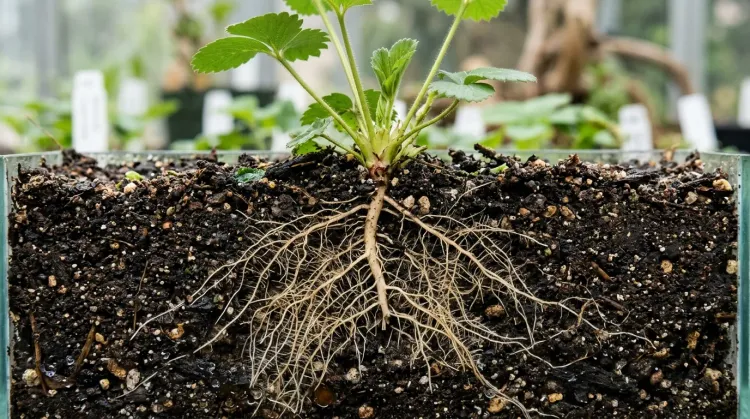
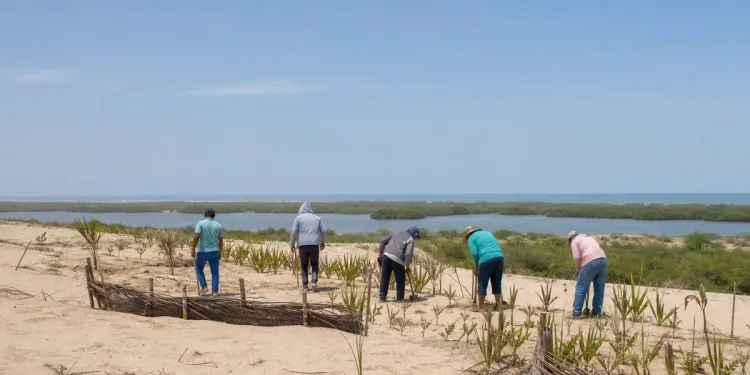
The company and council supported integrated pest management: using biological control together with greenhouse hygiene, isolation practices and habitat measures, including reservoir plants and hedgerows. Chemical pesticides compatible with beneficial organisms can also be used when needed.
FruitToday reported that Koppert introduced Limonica, its predatory mite product identified as Amblydromalus limonicus, in May 2024. Bottles initially contained 12,500 individuals; that number was later raised to 25,000. Full commercialization was planned for 2026.
The center's research uses natural enemies for crop protection and also covers bumblebee pollination and microorganisms intended to support plant health both above ground and in the soil. Koppert says its operations span more than 100 countries and that it has more than five decades of experience.
Crop removal draws scrutiny
El Ejido agriculture councilor Manuel Martínez identified crop removal, handling and transport as particularly problematic stages when growers fail to follow clearance protocols. Participants in the visit said coordinated action across the sector was necessary because practices on one farm could undermine control efforts on another.
The Agriculture Department's mandatory measures and recommendations are intended to curb transmission during removal and transport. HortiDaily reported that Andalusia's binding phytosanitary requirements were established by the regional government's April 10, 2026, resolution. Published on April 17 in the Official Gazette of Andalusia (BOJA), No. 73, it formally acknowledged the pest's presence in the region.
Authorities increased their checks over the following months. HortiDaily reported 597 crop-clearance inspections and 209 disciplinary actions as of August 18, 2026. By September 28, the totals had reached 800 field inspections and 224 sanctioning files. As of November 9, more than 900 inspections had been conducted, with almost 300 enforcement proceedings opened over failures to comply with containment measures.
Spread through Almería's pepper greenhouses
Spain's first registration of Thrips parvispinus came in September 2017 at a greenhouse growing gardenia and mandevilla, according to HortiDaily. Monitoring between late 2017 and mid-2019 subsequently detected it on ornamental citrus as well.
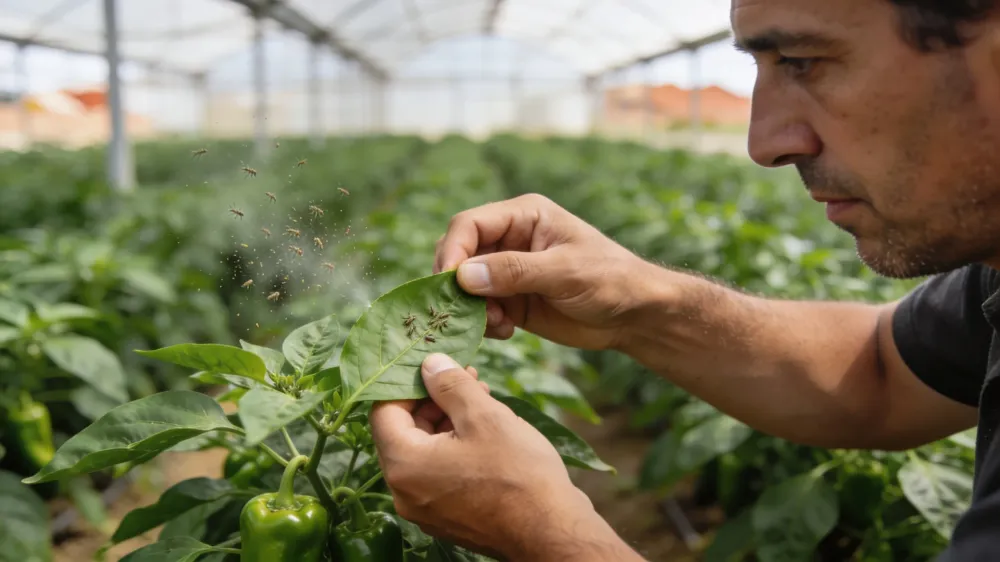
The pest was first detected in Almería pepper crops in 2022. By November 2025, it was present on 95% to 100% of Coexphal member farms in the western part of the province during the 2025/2026 growing season. Severe damage had been found in about 10% to 15% of pepper production.
HortiDaily described the damage to peppers as superficial: it neither changes their nutritional qualities nor poses a consumer safety risk. The visible marks nevertheless hurt marketability. Retailers' demand for unblemished produce means marked peppers are almost always rejected.
Record export revenue despite lower volume
Growers' organization Asaja Almería puts the province's greenhouse area devoted to peppers at approximately 12,500 hectares. Peppers are one of the region's main export products.
For the 2025/2026 season, Almería recorded its highest-ever pepper export revenue, €1,235.05 million. Shipments from September 1, 2025, through August 31, 2026, totaled 513.64 million kilograms, with an average price of €2.40 per kilogram, HortiDaily reported.
Export volume was 17.46% below the record 622.26 million kilograms shipped in 2019/2020. The report attributed the decline largely to the spread of Thrips parvispinus and the uprooting of plantations.
Summer 2027 suspension remains undecided
As of November 9, 2026, a technical working group was reviewing a possible suspension of pepper production in Almería for summer 2027, according to HortiDaily. The plant health experts involved included representatives of Andalusia's regional government, growers and industry specialists. No final decision had been reached, and which businesses might be affected remained unclear.