Congress and border-state leadership change
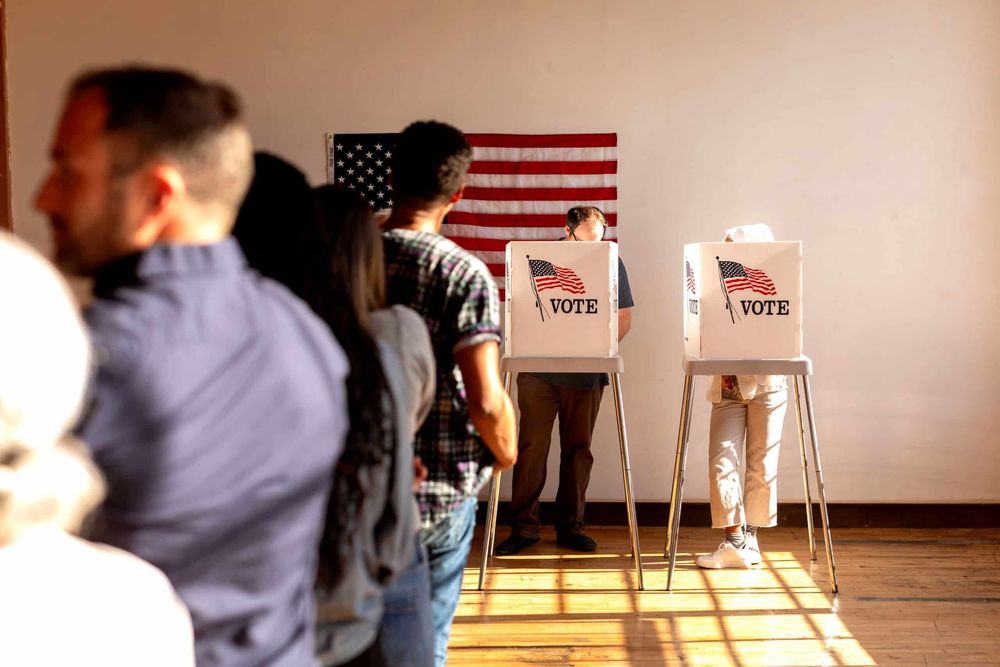
Democrats captured both chambers of Congress in the Nov. 3, 2026, midterm elections. Preliminary tallies reported Nov. 4 by Mexico Business News gave them at least 228 House seats, compared with Republicans' 139, and 54 Senate seats to Republicans' 44. The new Congress takes office in January 2027.
California elected Xavier Becerra as its first Latino governor, while Gina Hinojosa defeated Republican incumbent Greg Abbott in Texas. Hinojosa will become the state's first Latina governor and its first Democratic governor in more than three decades, according to UPI. Her inauguration will also mean that Democrats govern all four US states bordering Mexico, KJZZ's Fronteras Desk reported.
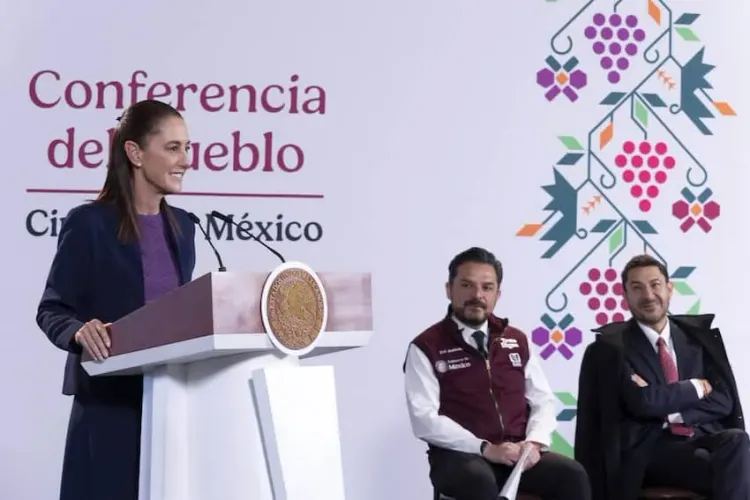
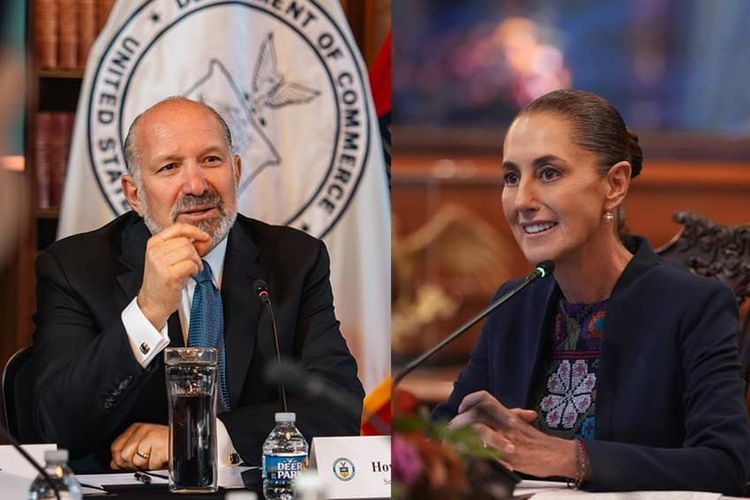
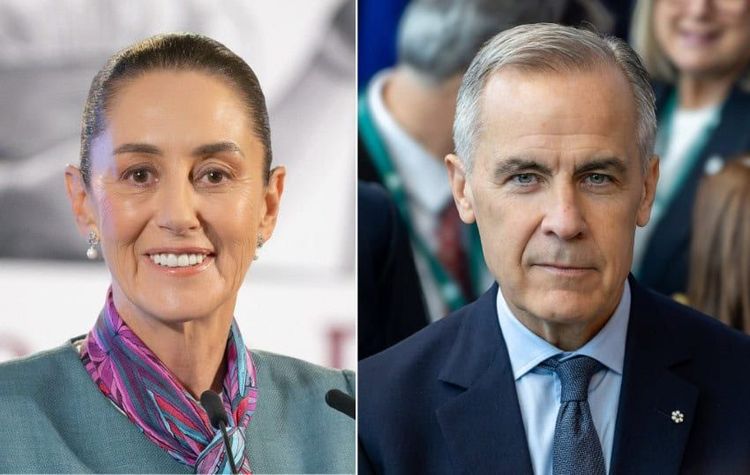
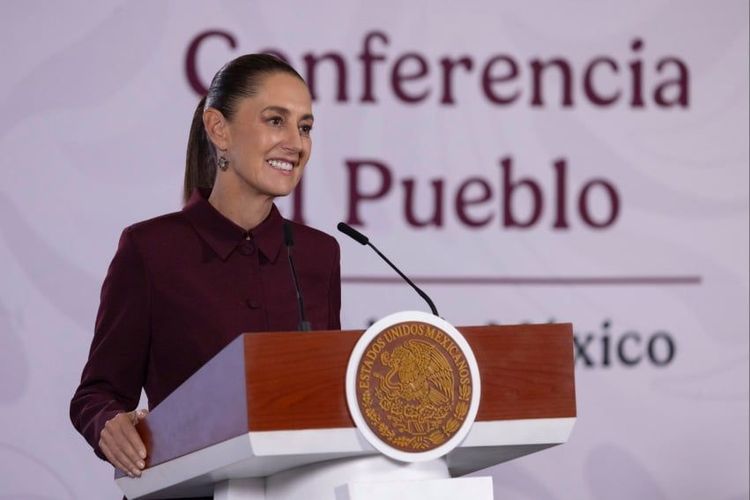
Mexican President Claudia Sheinbaum highlighted both victories and the importance of political representation for the nearly 40 million US residents of Mexican descent. According to UPI, she said the election results reflected a sentiment among the American people.
UnidosUS president Janet Murguía described the scale of Latino participation in remarks reported by ABC7 News: "This will undoubtedly be the largest turnout of Latino voters ever in a Midterm election." The economy, immigration enforcement and deportation policies were cited as key reasons voters turned out.
Bembenek notes that California and Texas together are home to more than half of the US population of Mexican origin, with Mexican Americans making up 40% of those states' populations. Both governors-elect are children of Mexican immigrants. Nevada's newly elected lieutenant governor is also of Mexican heritage.
Bembenek sees a chance to move beyond confrontation
In his perspective piece, Bembenek says Mexico News Daily remains apolitical and frames his argument around the implications for Mexico rather than his personal views of the election results. He contends that two years of hardline Trump administration policies left Mexican leaders and Mexican American communities reluctant to speak out.
Mexico repeatedly had to respond to pressure over tariffs, cartels, deportations and the treatment of its citizens abroad, he writes, while aggressive ICE raids spread anxiety among Mexican Americans. He hopes the election will bring less fear of heavy-handed enforcement.
Bembenek also cites his earlier account of an 18th Mexican-American death in ICE custody and argues that enforcement has reached beyond the criminals the administration said it would target. In his view, people should not have to fear for their lives at the government's hands, regardless of their immigration status.
A Migration Policy Institute report cited by Courthouse News put Department of Homeland Security deportations at 980,000 during the first 18 months of Trump's second presidency. More than two-thirds involved unauthorized immigrants who had initially been intercepted at the border.
On relations with Mexico, Bembenek contrasts what he describes as historic cooperation from Sheinbaum's administration with recurring US threats involving tariffs, immigration, drug policy and cartels. He points to claims by Trump and administration officials that cartels run Mexico, assertions that Sheinbaum fears them, and threats of unilateral action in the country. His hope is that cooperation continues while the threats recede.
Trade and security pressure could persist
Analysts and political risk consultancy Integralia offer a more guarded assessment of what divided government could mean for Mexico. A Democratic Congress does not necessarily reduce the pressure: Trump retains broad authority over tariffs, and constraints at home could prompt him to devote more attention to foreign policy.
That shift could bring greater demands for Mexican security cooperation and extraditions, according to the analysis reported by Courthouse News and Mexico Business News. These are potential outcomes, not established consequences of the election.
The USMCA also remains subject to annual reviews. Mexico Business News reported that the United States declined to approve another 16-year extension at the agreement's first joint review on July 1, 2026. The pact remains in effect until the three countries agree to extend it or it reaches its potential termination date in 2036.
Business ties and cross-border projects
Bembenek identifies two areas where leaders and businesses could act on the political opening: stronger commercial engagement with the Mexican diaspora and more ambitious binational infrastructure, including projects pursued by states rather than national governments.
He contrasts Indian American businesspeople's connections with India with what he sees as limited engagement between many Mexican American businesspeople and Mexico. Closer ties, he argues, could help US businesses find Mexican talent, suppliers and customers while supporting growth in both countries.
For infrastructure, he points to the Tijuana airport's reach across the California border and its strong growth as an example of strategic cooperation. Along the Texas border, he cites the newly opened second railway between Laredo and Nuevo Laredo and a proposal to expand the World Trade Bridge from eight lanes to 18.
Other examples include the Pharr project, described as nearing its opening, which adds a four-lane bridge in Reynosa; the Colombia-Solidarity highway projects intended to improve connections between Nuevo León and Laredo; and the planned Green Corridors autonomous cargo system linking Monterrey and Laredo. Bembenek calls on leaders on both sides of the border to pursue such long-term cooperation rather than allow further division and threats to stall it.