Leaders Discuss Trade Agreement Renewal
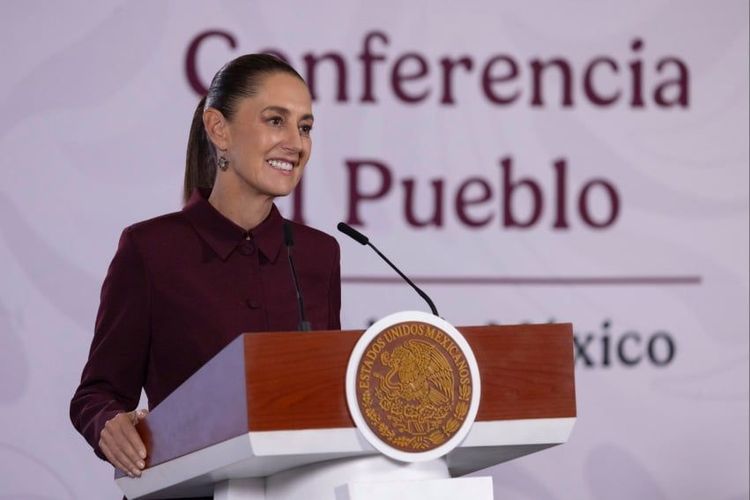
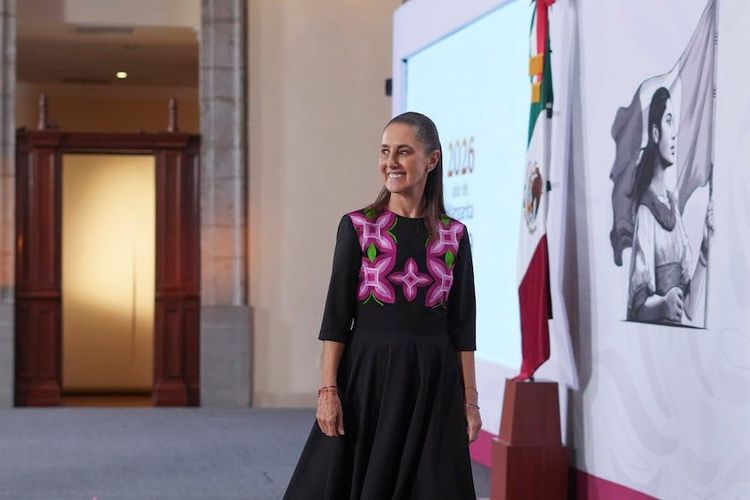
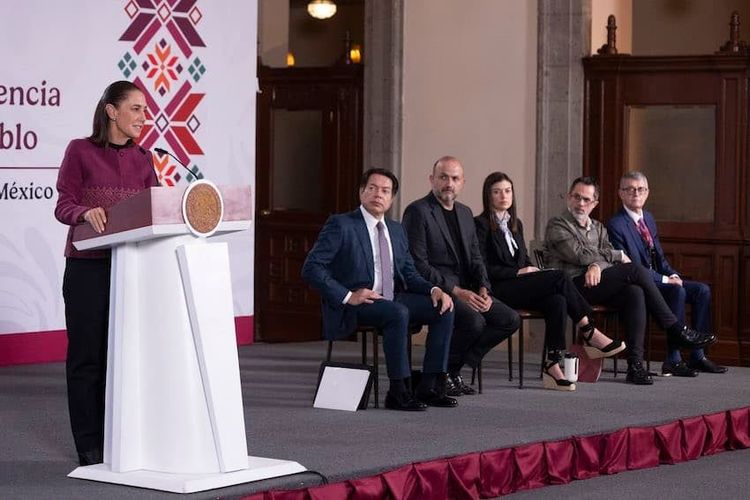
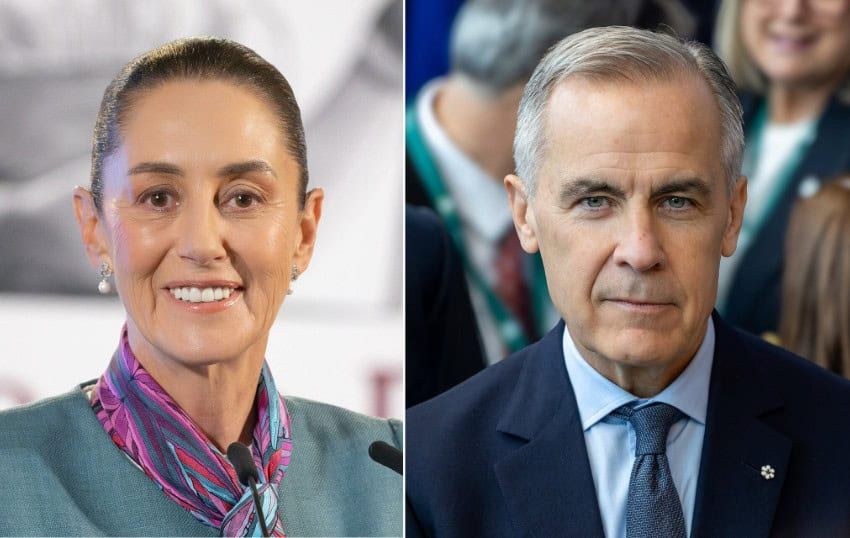
President Claudia Sheinbaum and Canadian Prime Minister Mark Carney discussed North American trade during a phone call on Thursday, as pressure mounts to renew the USMCA free trade agreement and resolve escalating tariff tensions with the United States.
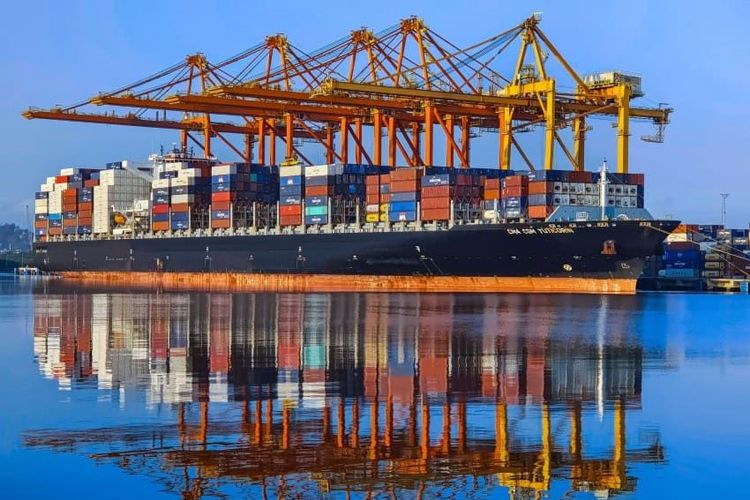
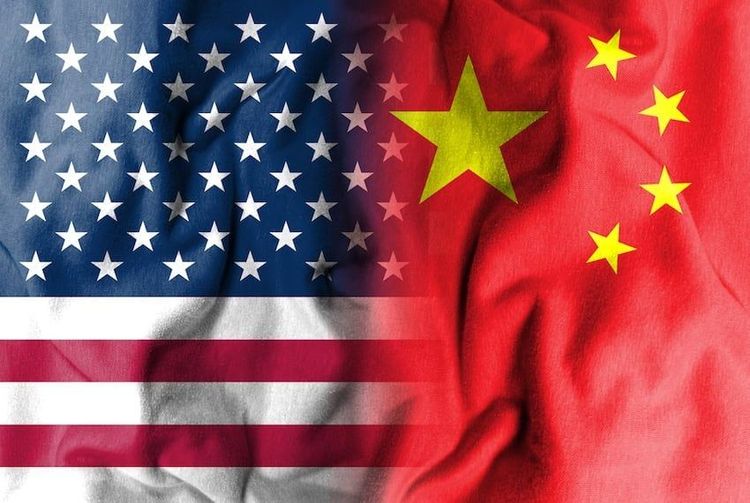
The conversation came exactly 50 days after the U.S. government declined to renew the USMCA in its current form on July 1, triggering a process of annual reviews that will continue for the next decade unless the three countries agree to extend the pact for another 16 years. The agreement, which entered into force on July 1, 2020, replacing the 26-year-old NAFTA, governs approximately $2 trillion in annual trade among the three nations.
According to a statement from Carney's office, the two leaders "discussed ongoing developments affecting North American trade" and "underscored the importance of renewing the Canada-United States-Mexico Agreement (CUSMA) as soon as possible to provide greater certainty for North American businesses and workers."
Carney's Economic Background
Carney, who became Canada's 24th Prime Minister in March 2025 after succeeding Justin Trudeau, brings extensive economic expertise to the negotiations. Before entering politics, he served as Governor of the Bank of Canada from 2008 to 2013 and as Governor of the Bank of England from 2013 to 2020, becoming the first non-citizen to lead the British central bank.
Immediate Tariff Crisis Looms
The Thursday call took place against the backdrop of an immediate crisis: Canada faces a Saturday deadline to finalize a deal with the United States or confront 50% tariffs on approximately $20 billion worth of Canadian goods. Trump announced the tariffs on July 20, targeting dairy products, alcoholic beverages, and motor vehicles, with an original effective date of August 19.
Just one day before the Sheinbaum-Carney call, Trump announced a three-day pause on the Canadian tariffs less than two hours before they were scheduled to take effect, stating that the U.S. and Canada had reached a tentative deal. However, the duties could still be imposed on Saturday if negotiations collapse.
The statement from Carney's office indicated that the two leaders also discussed "the progress between Canada and Mexico on cross-border trade," emphasizing that "strong bilateral cooperation is essential to shared continental security and prosperity."
Trade Deficit Concerns Drive U.S. Position
The Trump administration's decision not to extend the USMCA stems largely from concerns about trade imbalances. The U.S. goods trade deficit with Mexico reached a record $196.9 billion in 2025, while the deficit with Canada exceeded $46 billion the same year. These deficits represent a primary concern for the Trump administration in its approach to the trade pact.
Under Article 34.7 of the USMCA, a mandatory joint review was required on the sixth anniversary of the agreement's entry into force. By declining to extend the agreement on July 1, the U.S. triggered a mechanism requiring annual review meetings until the pact expires in 2036, unless the three countries reach an agreement on an extension.
Path Forward for Trade Agreement
Sheinbaum has repeatedly emphasized that Mexico, the United States, and Canada could reach an agreement to extend the USMCA for an additional 16 years "at any time." The free trade pact creates a common market for 515 million people whose combined economies account for 30% of the world's GDP.
Even with the USMCA in place, Trump imposed tariffs last year on various Mexican and Canadian goods, including vehicles, steel, and aluminum. In ongoing trade talks with U.S. officials, Mexico is seeking the reduction or elimination of these duties.
Cooperation Beyond Trade
The Canadian government's readout of Thursday's call also noted that Carney thanked Sheinbaum for Mexico's support in combating wildfires in Canada this summer. More than 400 Mexican firefighters and technical personnel specializing in forest fires traveled to British Columbia earlier this month to support emergency efforts during intense wildfires in the western Canadian province.
As of Thursday afternoon, neither Sheinbaum nor her office had issued a statement about the call with Carney. The prime minister and president agreed to remain in close contact as negotiations continue.