U.S. revokes visa of former Mexican president's son amid diplomatic tensions
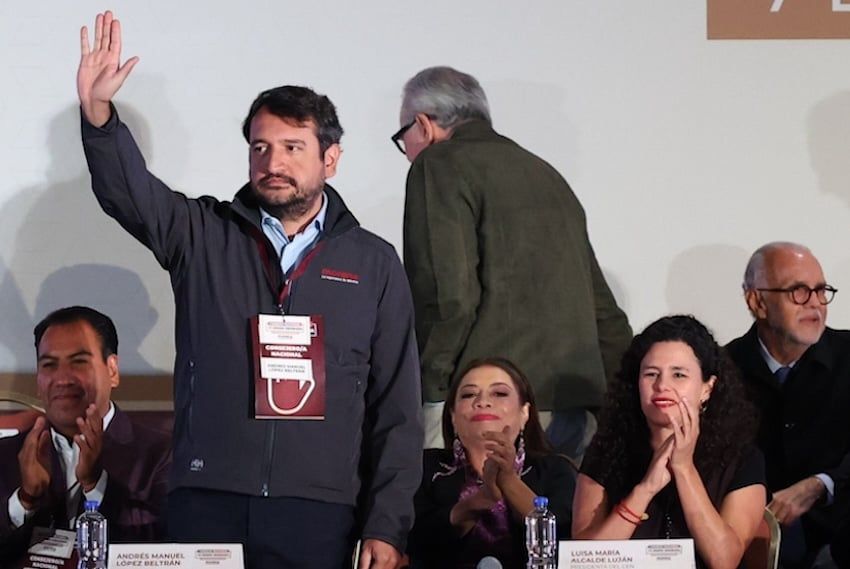
The United States government revoked the visa of Andrés Manuel López Beltrán on Thursday, triggering a diplomatic confrontation between Washington and Mexico City. López Beltrán, son of former Mexican President Andrés Manuel López Obrador, responded with a combative letter directed at President Donald Trump, posted on social media.
In his letter, López Beltrán characterized the visa revocation as "politically motivated and propagandistic, in the Hitlerian style." He dismissed the practical impact of the decision, stating he has no interest in visiting the United States during what he described as times of "hate, racism and drug addiction."
The former Morena party official insisted there is "no reason whatsoever" for what he called a "crude and perverse act of villainy" against him. He declared his commitment to "the ideals, principles and honesty instilled in me by my parents and practiced out of conviction in my political work."
López Beltrán's letter raised the possibility that Trump might be unaware of the decision. If the president approved it knowingly, López Beltrán wrote, it represents an "arrogant" action that "demonstrates, as my father recently wrote, that you are now an apathetic leader, much different from the person he knew and dealt with."
Historical context of U.S.-Mexico relations
The reference carries particular weight given the previously cordial relationship between the two leaders. During Trump's first term from 2017 to 2021, which overlapped with López Obrador's presidency beginning in December 2018, both leaders publicly praised their working relationship. Trump described it as "outstanding," while López Obrador thanked Trump for treating Mexico with "kindness and respect."
López Beltrán directed especially harsh criticism at U.S. Secretary of State Marco Rubio and Undersecretary Christopher Landau, whom he referred to as "El Quitavisas" ("The Visa Taker"). Rubio was sworn in as the 72nd U.S. Secretary of State in January 2025, becoming the first Latino to hold the position after receiving unanimous Senate confirmation.
Landau's visa revocation campaign
Landau, who served as U.S. Ambassador to Mexico from 2019 to 2021 during Trump's first term, earned his "Quitavisas" nickname through an aggressive policy of reviewing and revoking U.S. visas. He publicly adopted the moniker in September 2025, using it as what sources describe as a "personal brand" when announcing visa cancellations on social media.
His tenure as ambassador included participation in the ratification of the T-MEC trade agreement and management of border and migration issues. In his current role, Landau has orchestrated visa revocations affecting more than 50 politicians from the ruling Morena party, as well as dozens of officials from other Mexican political parties, according to Reuters reporting from October 2025.
In one notable 2025 case, Landau revoked the visa of Mexican official Melissa Cornejo after she posted what he termed a "vulgar" social media message expressing opposition to immigration raids targeting migrants in Los Angeles. The incident established a pattern of targeting officials for their social media posts and political statements.
Political ramifications in Mexico
Opposition National Action Party members quickly demanded that the Federal Attorney General's Office investigate López Beltrán for potential involvement in fuel theft and influence trafficking. They also called for the Financial Intelligence Unit to examine his finances.
López Beltrán served as Morena's Secretary of Organization from October 2024 until May 2026, when he resigned to prepare a campaign for federal deputy representing Tabasco's District 6 in the 2027 elections. He had managed a chocolate business for much of his father's presidency before entering formal party politics in September 2024, just weeks before his father left office.
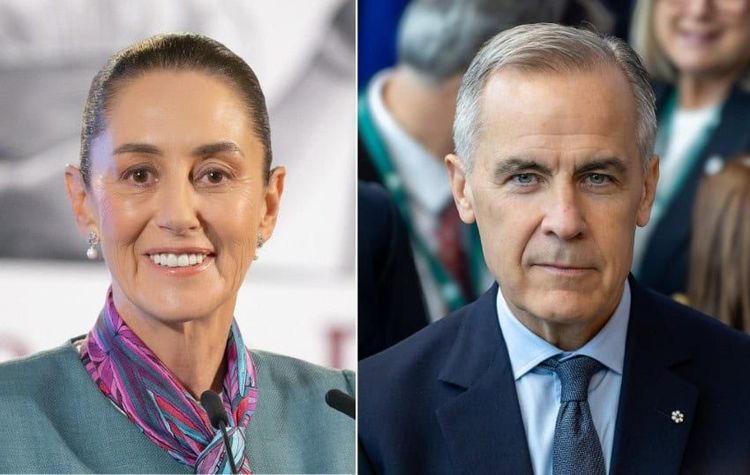
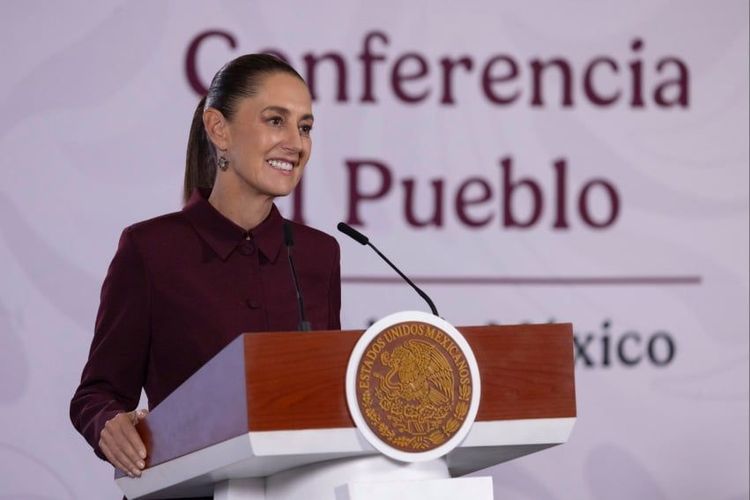
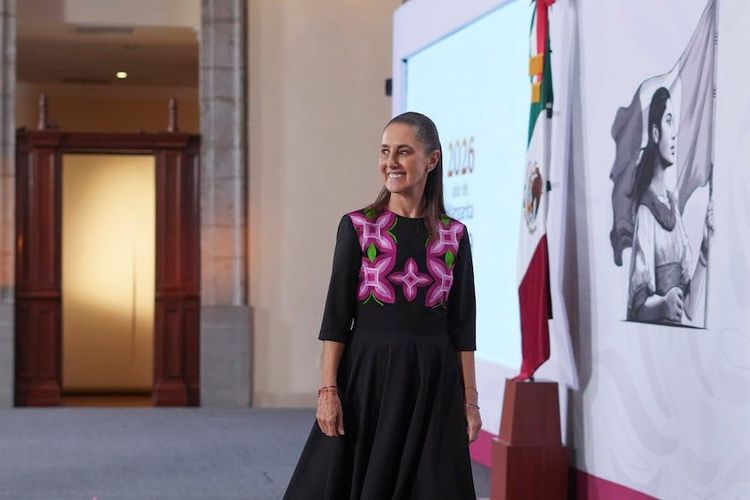
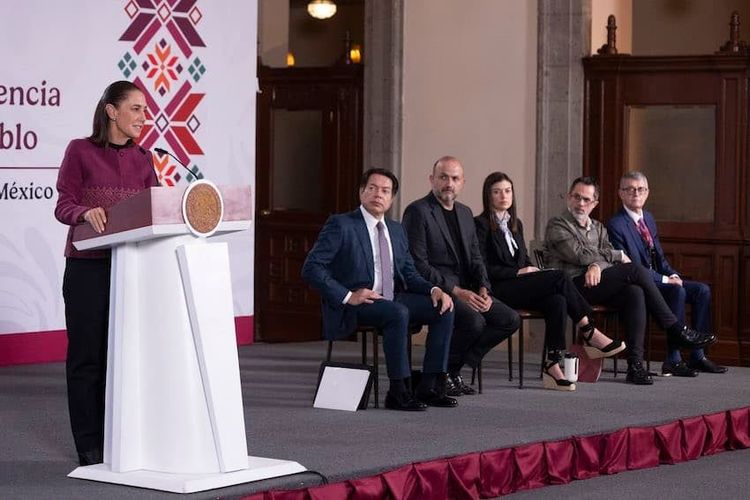
President Claudia Sheinbaum characterized the visa revocation as "a politically motivated decision aimed at interfering in Mexico's internal affairs."
State Department officials have described the visa revocations as part of a broader crackdown on individuals linked to drug cartels and threats to U.S. national security. Officials stated that visas may be revoked for "activities that run contrary to America's national interest."
Andrés Manuel López Obrador founded the Morena party in 2011 and served as Mexico's president from December 2018 through September 2024, a tenure that spanned the end of Trump's first term and the beginning of his second.