Ebrard responds to Trump on USMCA as Mexico-Peru relations warm: Wednesday's mañanera recapped
Mexican Economy Minister Marcelo Ebrard sought to temper concerns over U.S. President Donald Trump's latest remarks about the USMCA trade agreement, telling reporters Wednesday that bilateral trade relations remain strong despite ongoing tensions over the trilateral pact.
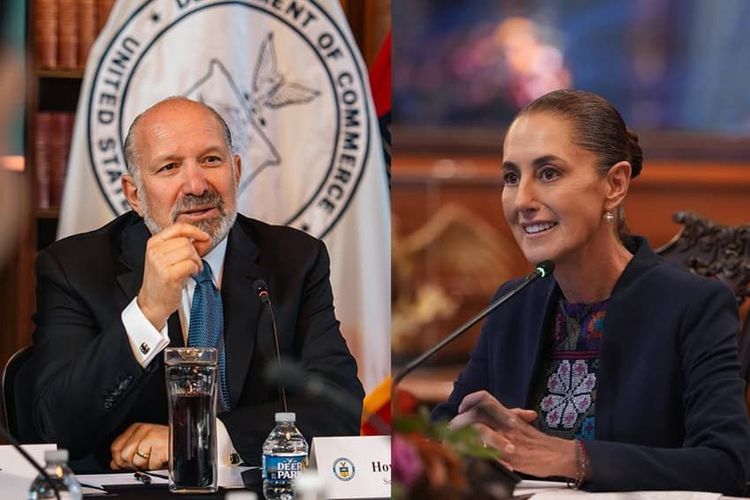
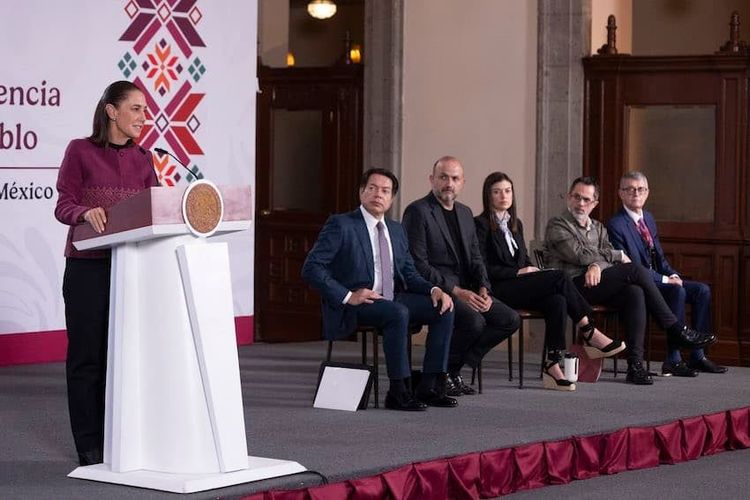
Speaking at President Claudia Sheinbaum's morning press conference, Ebrard responded to Trump's Tuesday interview with Fox News, in which the U.S. president said he didn't "really want" to update the USMCA and claimed Mexico and Canada need the United States more than the reverse.
"Obviously there are warnings every week, there are a lot of things. We're going to see what happens in the coming months but as of today we're doing well," Ebrard said, noting that U.S. Trade Representative Jamieson Greer had recently visited Mexico and that the two governments are working "very closely" to resolve trade differences.
Mexico's critical role in U.S. trade
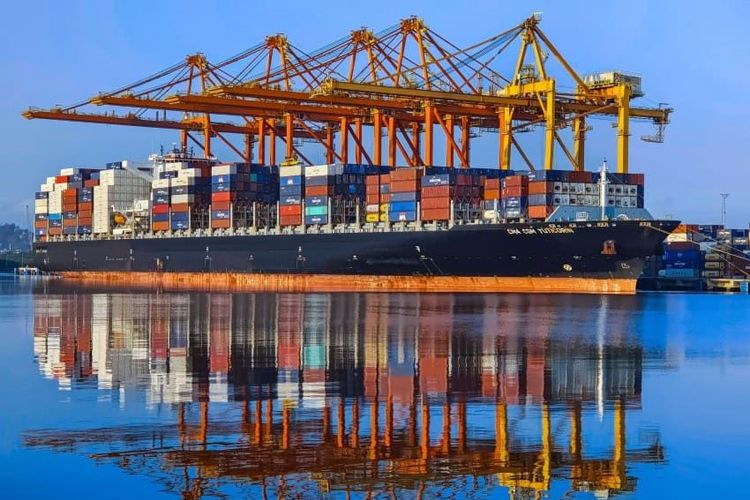
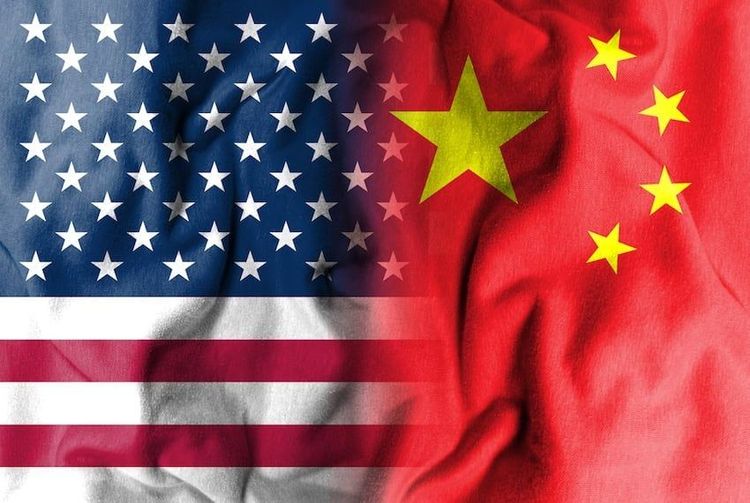
Ebrard emphasized Mexico's position as the world's largest importer of U.S. goods, stating "we're the number 1 customer." Official data from 2025 shows Mexico was the United States' largest trading partner in total goods and services, with bilateral goods trade valued at $872.8 billion, surpassing both Canada and China.
The economy minister pointed out that Mexico currently enjoys better tariff treatment than most countries in the overall U.S. trade framework, which he said "explains why our exports to the United States have grown."
The exchange comes as the USMCA undergoes scrutiny following a mandatory six-year joint review held on July 1, 2026. During that review, the United States declined to confirm an extension of the agreement, triggering annual reviews that will continue until the pact's scheduled expiration in 2036. The trade agreement, which entered into force on July 1, 2020, established a 16-year term unless all three parties agree to extend it through the joint review process.
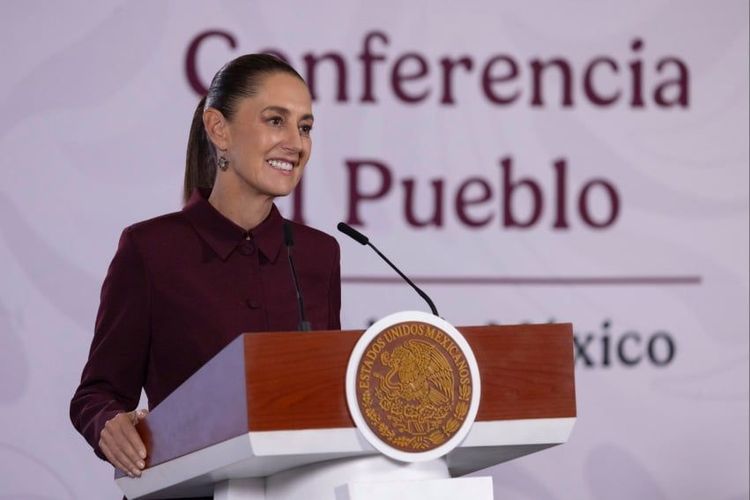
Later in the conference, Sheinbaum acknowledged that the United States has been "setting a new vision" for trade since Trump's return to office in January 2025, but stressed that Mexico "is an extremely important trade partner for the United States" and that "our economies are very integrated because of the many years of free trade."
Signs of Peru diplomatic thaw
On the diplomatic front, Sheinbaum revealed that Foreign Affairs Minister Roberto Velasco had spoken with Peru's newly inaugurated President Keiko Fujimori, signaling a possible warming of relations between the two countries.
Fujimori was sworn in as Peru's president on July 28, 2026, becoming the country's ninth president in a decade following a narrow election victory by fewer than 50,000 votes in June's runoff. She is the daughter of former President Alberto Fujimori, who led Peru in the 1990s before being imprisoned for human rights abuses. He was pardoned in December 2023 and died in September 2024.
The conversation between Velasco and Fujimori represents the first high-level contact since Peru severed diplomatic relations with Mexico in November 2025. The rupture occurred after Mexico granted asylum at its embassy in Lima to former Peruvian Prime Minister Betssy Chávez, who faces charges of rebellion and conspiracy related to the December 2022 removal of President Pedro Castillo. Peruvian prosecutors are seeking up to 25 years in prison for Chávez in connection with allegations surrounding the 2022 events.
Sheinbaum said her government wants Chávez to receive "safe passage" to travel to Mexico, adding "we're going to see how this develops."
The Mexican president acknowledged that her government maintains its position regarding Castillo's removal from office in late 2022, which she has previously characterized as a "coup." On December 7, 2022, Castillo attempted to dissolve Peru's Congress ahead of a scheduled impeachment vote but was swiftly removed by lawmakers and arrested.
"Beyond" Mexico's dissatisfaction with Castillo's treatment, Sheinbaum said, "we obviously don't want a rupture of relations" with Peru. "Within that framework we're talking and we hope to be able to provide more news soon."
Peru's political instability has been pronounced over the past decade, with only three presidents elected by popular vote during that period. The remaining leaders came to office after their predecessors resigned or were removed by Congress amid protests or corruption scandals.
Since the diplomatic break, Brazil has assumed responsibility for Mexico's diplomatic representation in Peru, taking over those duties in January 2026.