Weather grounds Lutnick's Mexico visit, forcing virtual USMCA talks with Sheinbaum
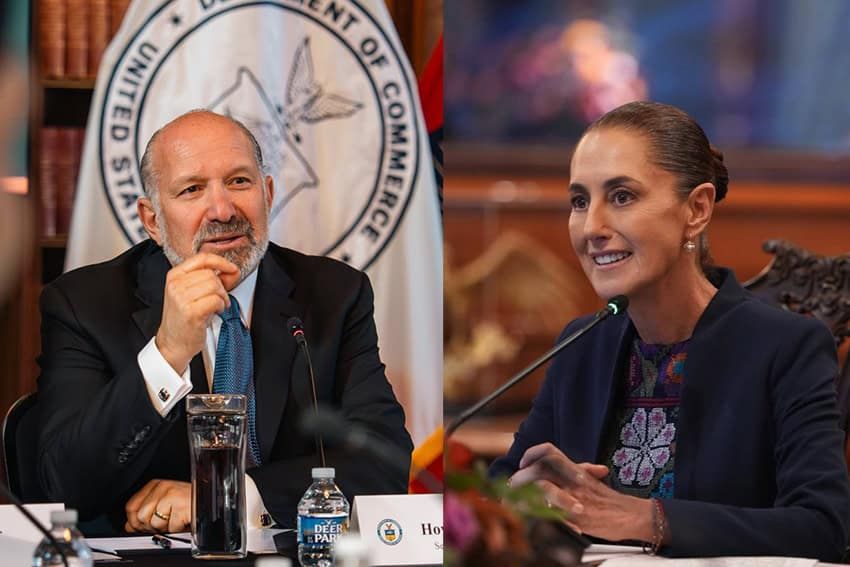
Poor weather conditions prevented U.S. Commerce Secretary Howard Lutnick from traveling to Mexico City on Wednesday, forcing his scheduled meeting with President Claudia Sheinbaum to take place virtually instead. Despite the change in format, Mexican Economy Minister Marcelo Ebrard, who participated in the video call, described the exchange as productive.
"The exchange was cordial, and I believe it will be very useful for the ongoing commercial negotiations with the United States," Ebrard wrote on social media platform X following the meeting.
The virtual discussion comes at a critical juncture in trilateral trade relations. On July 1, 2026, the United States declined to extend the USMCA for an additional 16-year period, triggering an annual review process that will continue each year until the parties agree to an extension or the agreement expires on July 1, 2036. The trade pact, which entered into force on July 1, 2020, replacing the 1994 North American Free Trade Agreement, remains fully in force with all current rights and obligations operative.
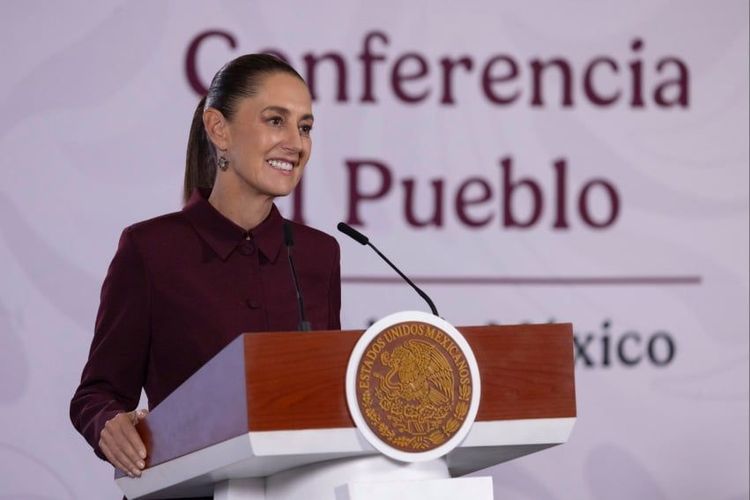
During her morning press conference Wednesday, Sheinbaum emphasized Mexico's commitment to maintaining the trilateral trade framework. "It is in the best interests of Mexico, the United States, and Canada to maintain the USMCA," she stated, outlining Mexico's negotiating priorities.
Tariff disputes at center of negotiations
President Sheinbaum stressed that Mexico's primary objective is reducing tariffs on steel, aluminum and the automotive sector. "Besides considering them unfair, they are harming our economy," she said. "Therefore, we want these tariffs lowered, and we also don't want new tariffs."
The steel and aluminum tariffs became more burdensome in April 2026 when the United States overhauled Section 232 duties, shifting from a metal-content-based assessment to the full customs value of imported goods. The restructured tariffs impose a 50% duty on raw copper, steel and aluminum, and a flat 25% tariff on derivative products containing more than 15% of these metals.
However, the U.S. Commerce Department also opened a tariff-adjustment process in April that could reduce Section 232 duties by up to half on eligible steel and aluminum imports from Mexico and Canada, provided producers commit to expanding U.S. primary steel or aluminum capacity tied to automotive supply chains.
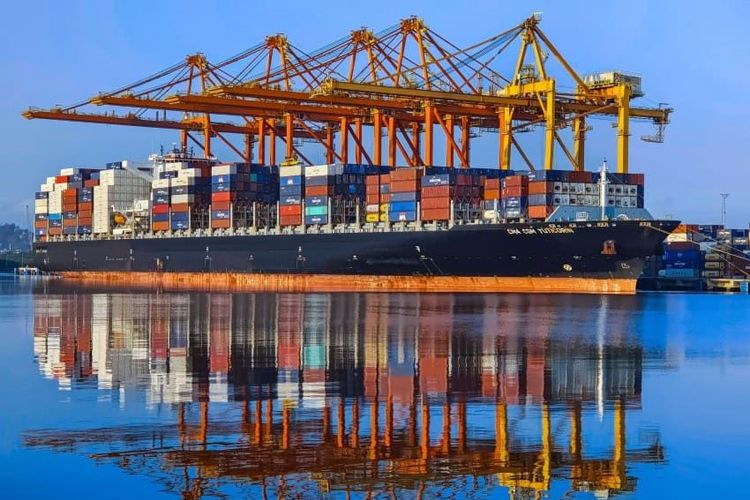
The automotive sector represents a significant economic priority for both nations. In 2025, Mexico was the largest foreign source of automotive components to the U.S. market, accounting for 42% of all U.S. imported auto parts, with the value of Mexican exports to the United States totaling $534.9 billion.
Non-tariff issues and broader negotiations
Sheinbaum noted that discussions also encompass the 54 non-tariff issues raised by the United States, including intellectual property, piracy, and pharmaceuticals. According to the president, most of these issues have been resolved, though some remain under negotiation.
The Trump administration has indicated it will use the USMCA review to seek additional concessions from Mexico and Canada on both long-standing trade disputes and non-trade issues such as migration, drug trafficking, and continental defense.
Trade tensions have flowed in both directions. On December 29, 2025, Mexico issued a decree increasing tariffs on 1,463 tariff codes—approximately 12% of the Mexican tariff schedule—affecting goods from cosmetics, plastics, leather, paper, textile, apparel, footwear, steel, aluminum, automotive, auto parts, and toy industries. These increases apply exclusively to goods from non-free trade agreement countries, including China.
Diplomatic momentum continues
Lutnick, the 41st U.S. Secretary of Commerce who was confirmed by the Senate on February 18, 2025, brings extensive private sector experience to the negotiations. Before entering public service, he served as Chairman and CEO of Cantor Fitzgerald for over three decades.
Ebrard, who assumed his current position as Economy Minister on October 1, 2024, previously served as Mexico's Secretary of Foreign Affairs from 2018 to 2023 under President Andrés Manuel López Obrador and as Mayor of Mexico City from 2006 to 2012.
Wednesday's virtual meeting follows recent talks between Lutnick and Ebrard on September 2 during a G-20 ministerial meeting in North Carolina. Ebrard announced he will travel to Washington on Thursday to continue negotiations ahead of the fourth bilateral round to review the USMCA, scheduled for this month.