DiplomacyOctober 15, 20262 min read

Mexico's Chamber of Deputies President holds talks with Sahrawi Foreign Minister

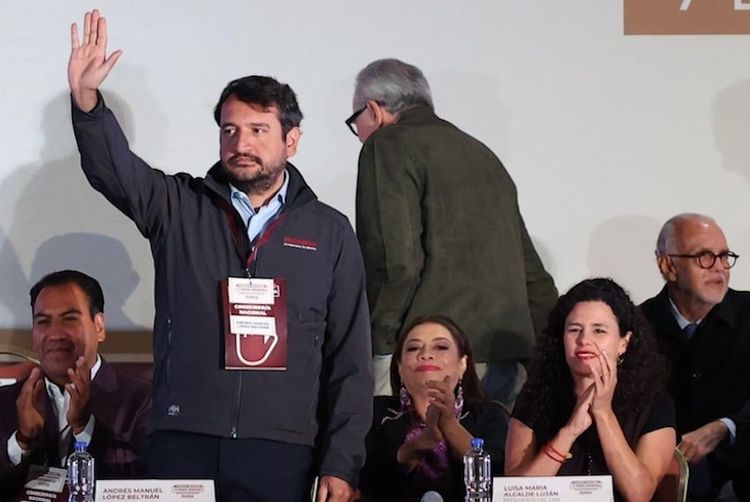
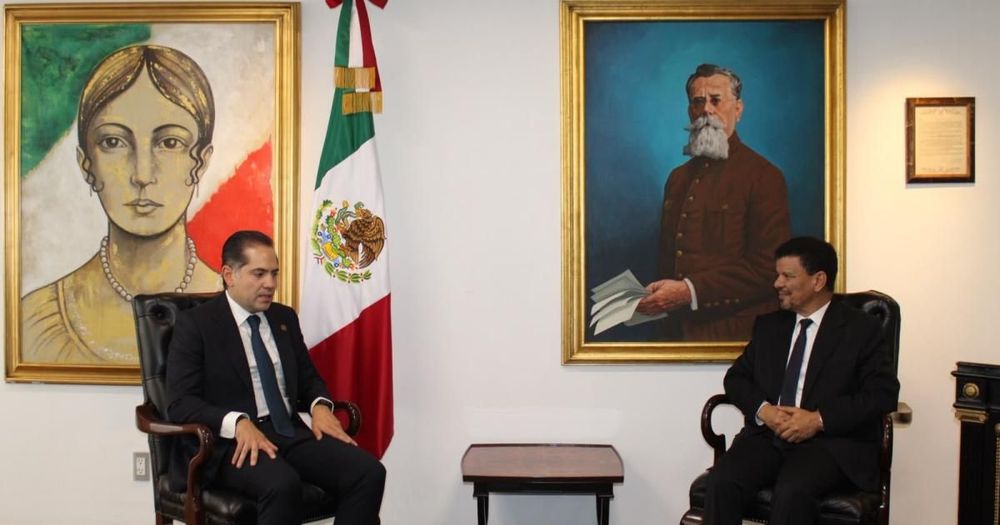
Raúl Bolaños-Cacho Cué welcomed Mohamed Yeslem Beissat before the plenary session, with both sides pledging to strengthen bilateral ties and cooperation between their legislative institutions.

lake-40adeb13-6c08-43c1-8436-b841ed1452b4-0.jpg

Mexican Chamber of Deputies President receives Sahrawi Foreign Minister

President of the Mexican Chamber of Deputies' Governing Board, Raúl Bolaños-Cacho Cué, held an official meeting with Sahrawi Minister of Foreign Affairs and African Affairs Mohamed Yeslem Beissat on October 15 in Mexico City, during the latter's visit to the country.

Bolaños-Cacho Cué, who assumed office on September 1, 2026, as the first member of the Ecologist Green Party of Mexico to hold the presidency of the Chamber, welcomed Beissat before the plenary session. He emphasized the institutional and parliamentary importance of the visit, underscoring the strong ties between Mexico and the Sahrawi Arab Democratic Republic.

Historical diplomatic relations

The diplomatic relationship between the two nations dates back to September 8, 1979, when Mexico recognized the SADR and established formal relations. The SADR maintains an embassy in Mexico City, reflecting the sustained nature of bilateral cooperation.

Minister Beissat, who was appointed to his position on April 12, 2025, provided the Mexican side with a comprehensive briefing on the outcomes of his visit, which included discussions with government representatives and legislative bodies. He conveyed the Sahrawi government's appreciation for the deep relations between the two countries, which are built on foundations of friendship and cooperation.

International recognition of SADR

The SADR, proclaimed by the Polisario Front on February 27, 1976, following Spain's withdrawal from Western Sahara, currently maintains diplomatic relations with 45 United Nations member states and holds full membership in the African Union. While 84 UN member states have recognized the SADR at various points historically, the current number of recognizing states stands at 34 UN members plus South Ossetia, with Mexico being among those that have maintained consistent recognition.

Commitment to self-determination

During the meeting, Bolaños-Cacho Cué reaffirmed Mexico's unwavering commitment to the principle of self-determination for all peoples and to the defense of national sovereignty. He stressed that these fundamental principles should be upheld universally in the international arena, without exception.

The Sahrawi Republic currently controls approximately 20 to 25 percent of the Western Sahara territory it claims, with the remainder under Moroccan administration. The two territories are divided by an earthen wall known as the berm, which stretches approximately 1,700 miles across the disputed region.

Strengthening bilateral ties

Both parties confirmed their determination to further strengthen bilateral relations and deepen the historical and cultural connections between their peoples. They also pledged to enhance cooperation between their respective legislative institutions, building on the solid foundation of existing ties.

The meeting took place against the backdrop of ongoing diplomatic efforts regarding Western Sahara's future, with the UN Security Council having adopted Resolution 2797 in October 2025, which renewed the mandate of the United Nations Mission for the Referendum in Western Sahara and identified Morocco's autonomy proposal as a basis for negotiations.

5972706_0.1-1.jpg
Diplomacy

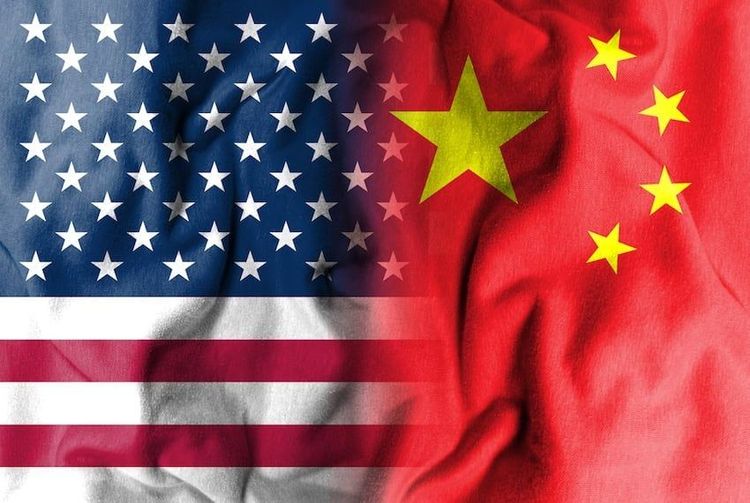
Mexicans Favor China Over the US, Even as Their Government Targets Chinese Imports

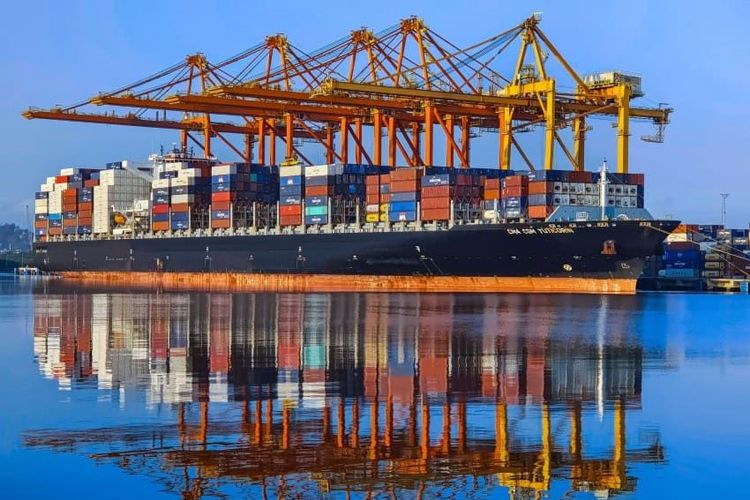
A Pew Research survey (Feb–Apr 2026) finds 59% of Mexican adults view China favorably versus 40% for the United States, even as Mexico imposes tariffs of up to 50% on Chinese imports under its Plan México strategy. Despite the tariffs, Chinese imports hit a record $31.69 billion in Q1 2026, fueled by demand for affordable goods and Chinese EVs like BYD, while Mexico still sends about 80% of its exports to the US. The gap is attributed to media exposure rather than politics: China rarely appears in Mexican news, so perceptions form through everyday consumption, while the US dominates headlines due to economic interdependence. The divide is starkest among younger Mexicans — 70% view China favorably, versus 44% of those over 50 — a pattern also emerging in Canada.

Diego SalazarAug 6, 20265 min
TURKIYE_AND_INDONESIA_SIGNS_5_IMPORTANT_AGREEMENTS_IN_BALI_INDONESIA-scaled-2-1.webp
Diplomacy

Prabowo echoed Washington's line on Iran — and Jakarta will pay the price

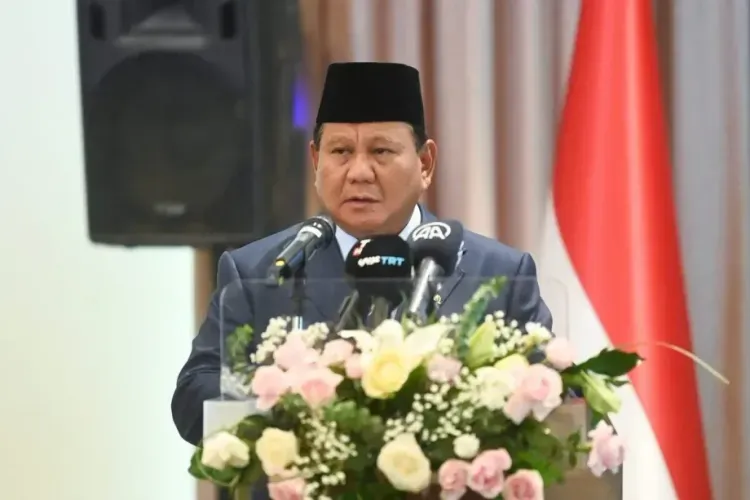
President Prabowo Subianto claimed at a Jakarta business forum on August 1 that Iran already has nuclear weapons, warning this could trigger a regional arms race involving Saudi Arabia, the UAE, Qatar, and Egypt — offering no evidence for either claim. The piece argues this statement echoes long-standing US and Israeli talking points rather than any independent Indonesian analysis, and that it contradicts the official record: Iran is bound by the NPT, IAEA inspections have repeatedly found only a civilian program, and even during this year's 12-day war with the US and Israel, the IAEA chief maintained there was no evidence of weapons development. It also contrasts this with Israel's own undeclared arsenal of roughly 90 warheads, which draws far less scrutiny. The author argues the remark risks straining Indonesia's ties with Gulf partners who have been normalizing relations with Iran since 2023, and undermines Jakarta's credibility as an informed voice on Middle East affairs, particularly given Iran's support for the Palestinian cause. Iran's embassy quickly denied the claim, with its ambassador noting that the country's conduct during the recent war already spoke for itself. The piece concludes that the claim could easily have been verified against public IAEA reports before being presented as fact.

Sofía HerreraAug 5, 20265 min
2026-07-27-Conferencia-de-prensa-matutina-Palacio-Nacional-15-JCRM.jpg
Diplomacy

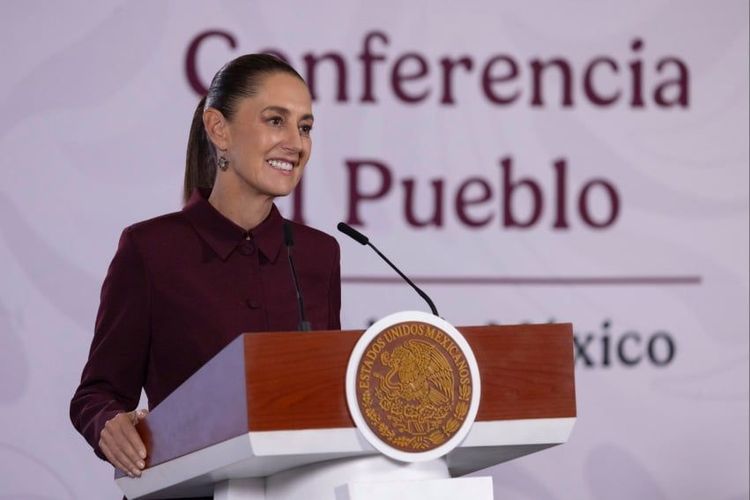
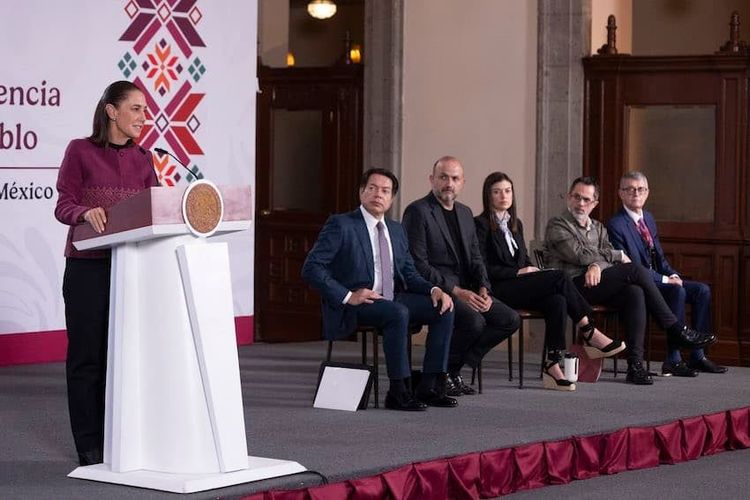
Sheinbaum Denies Milei's Interference Claims Amid Wider Diplomatic and Security Tensions in Mexico

President Claudia Sheinbaum rejected accusations from Argentina's Javier Milei that Mexico helped fund a campaign against his government, citing Mexico's constitutional policy of non-intervention in other countries' affairs. The dispute follows Milei's recent insults toward Brazil's Lula and earlier leaked recordings suggesting he financed anti-leftist media efforts in the region. Separately, Education Minister Mario Delgado addressed the death of a 13-year-old at an unregulated "militarized" summer camp in Tamaulipas, ruled a homicide, noting such schools fall outside government oversight. Sheinbaum also dismissed as fabricated a video in which an alleged cartel faction claimed responsibility for ten killings in Zacatecas and threatened the state's governor, saying the voice didn't match the speaker and that federal authorities are investigating its origin. Finally, her administration presented early findings from a study on how social media and AI use affect Mexican youth, with most parents surveyed favoring school-based regulation of phone use.

Sofía HerreraJul 28, 20264 min
Back to Diplomacy