Predictions versus reality
Major international media outlets are facing a credibility problem, particularly in their coverage of Mexico. A series of sensationalist predictions about cartel violence and security threats have been decisively contradicted by events on the ground, raising questions about journalistic standards and editorial judgment.
The pattern became especially evident in recent coverage surrounding the 2026 FIFA World Cup and Mexico's security situation. Leading publications including The Economist, The Wall Street Journal, and The New York Times published articles warning that the tournament would test Mexico's control over its territory and put the country's cartel crisis on the global stage. None of these predictions materialized.
What actually happened
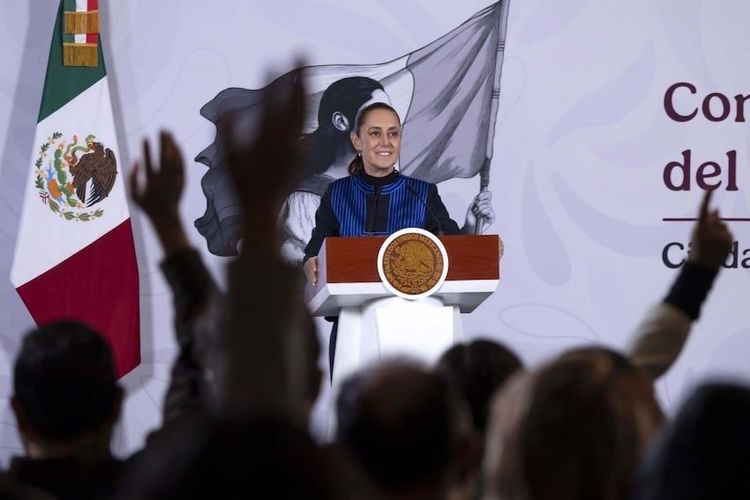
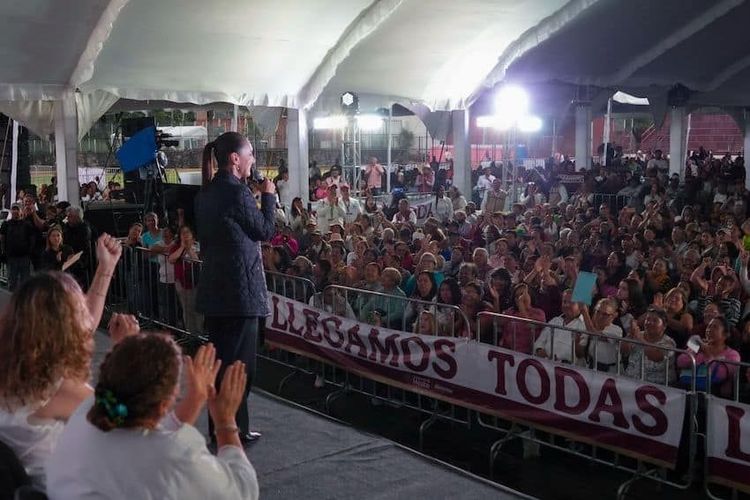
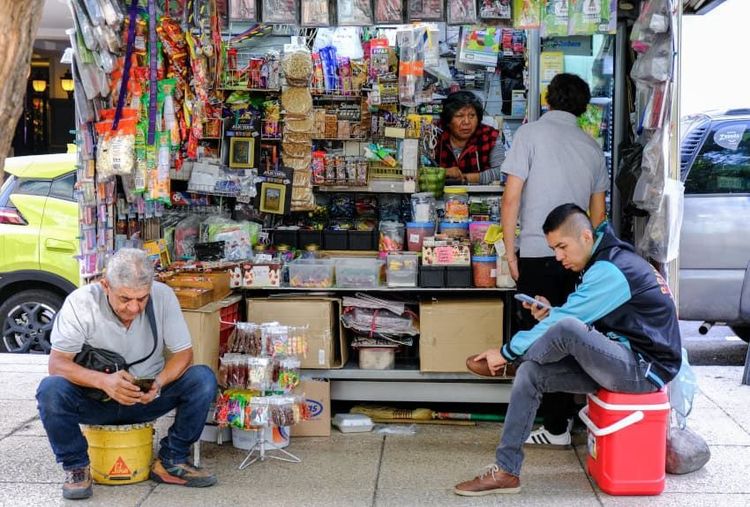
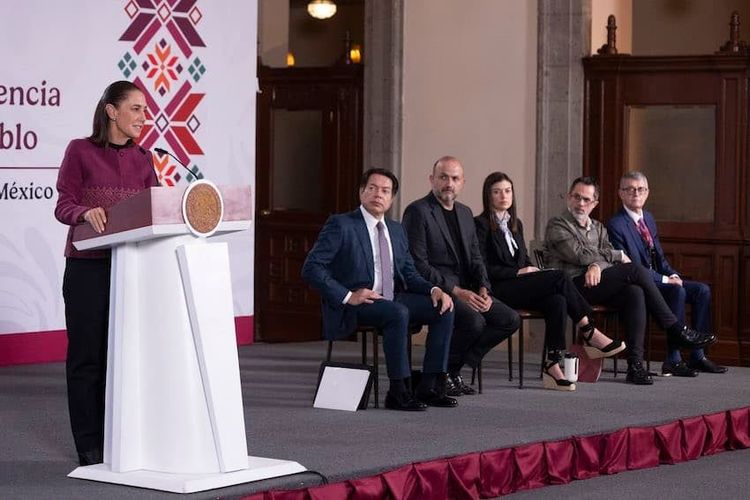
The disconnect between media narratives and actual outcomes is striking. Mexico deployed approximately 100,000 security personnel across host cities for the World Cup, which concluded its Mexico leg without major security incidents. International visitors partied alongside Mexicans throughout the country in what became a celebration rather than the security crisis some outlets had forecast.
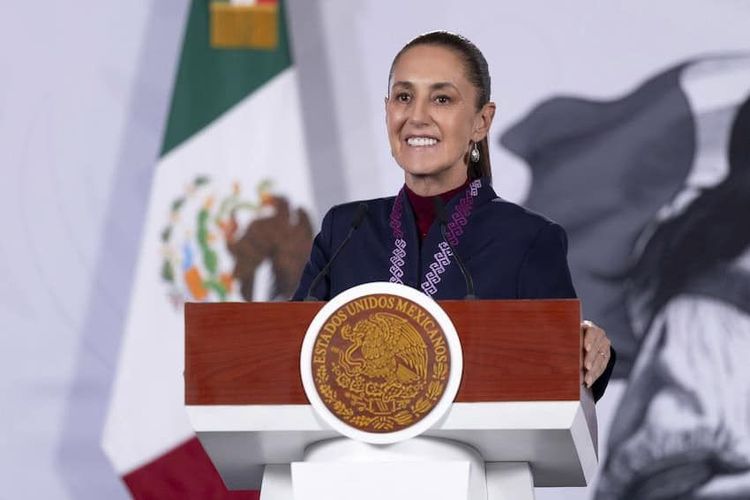
Perhaps more significantly, Mexico's homicide statistics tell a story opposite to what major publications predicted. In 2025, the country recorded 17.5 murders per 100,000 inhabitants—the lowest rate since 2016 and a dramatic decline from 29 killings per 100,000 people in 2018, when homicides reached their highest level in two decades. The trend continued into 2026, with the first half of the year showing a 30.1% decline in homicides compared to the same period in 2025, averaging 49.7 homicides per day—a rate not seen since 2015.
The media's predictions of escalating violence following the February 2026 operation that killed CJNG cartel leader Nemesio "El Mencho" Oseguera Cervantes also proved incorrect. While the operation in Tapalpa, Jalisco, initially triggered retaliatory violence with over 250 roadblocks across 20-22 states, the predicted spiral into sustained chaos never occurred. Instead, homicide rates continued their downward trajectory.
The 2026 Mexico Peace Index, published by the Institute for Economics and Peace in May, confirmed the 22.7% year-over-year decline in homicides, though it noted that other security challenges persist, including increases in disappearances and extortion, with the prison population climbing above 256,000 inmates.
A broader crisis of trust
The Mexico coverage reflects a broader erosion of trust in established media institutions. According to the 2026 YouGov Trust in Media survey, trust declined for most news organizations measured. Americans' trust in mass media fell to 28% in 2025, according to Gallup data. The Economist itself saw its trust rating decline from 12 to 11 in recent measurements.
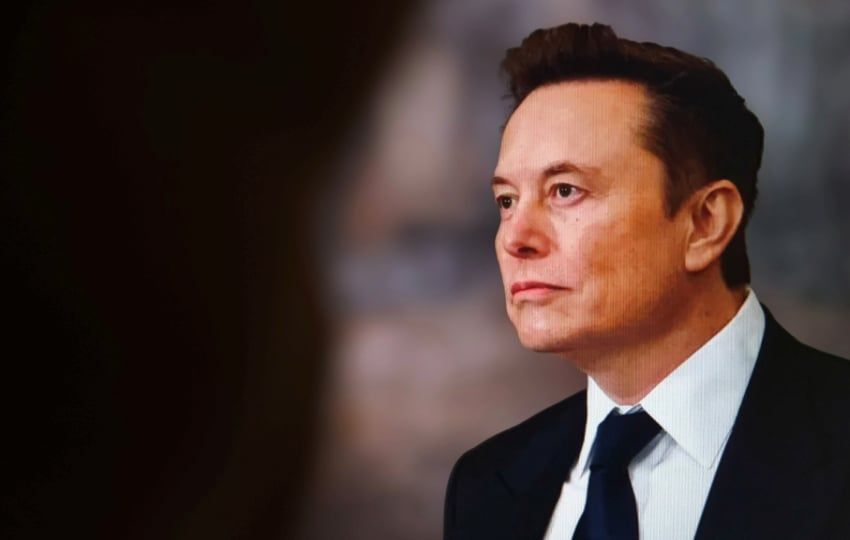
This trust deficit became visible in a recent exchange between Tesla CEO Elon Musk and The Economist editor-in-chief Zanny Minton Beddoes. During an interview recorded July 20, 2026, at Tesla's Texas Gigafactory—Musk's first extended conversation since SpaceX's IPO—tensions escalated when Beddoes questioned Musk's assessment of conditions in the United Kingdom.
Beddoes, who became The Economist's first female editor-in-chief in February 2015 after joining the publication in 1994, took issue with Musk's characterizations of her home country. She accused him of supporting "fringe" and "far right" parties and questioned his motives. The exchange grew increasingly testy until Musk responded directly:
A lot more people hate you, the media—more than you realize. Do you realize the media is despised? The favorable view of journalists is like 15%. They hate you.
The cost of sensationalism
The irony was not lost on observers: here was the editor of a publication that has frequently portrayed other countries as dangerous, backward, or corrupt becoming defensive when someone questioned her own country's direction. For a magazine founded 179 years ago with a mission to participate "in a severe contest between intelligence, which presses forward, and an unworthy, timid ignorance obstructing our progress," the moment raised questions about whether The Economist is living up to its founding principles or contributing to the obstruction it once opposed.
Readers are responding by voting with their subscriptions. Long-time subscribers are canceling, citing frustration with narrative-driven coverage that repeatedly misses the mark. They're seeking alternative sources that provide what they describe as informed optimism—reporting that acknowledges challenges while remaining grounded in verifiable reality rather than sensationalist predictions.
The stakes extend beyond individual publications. When major outlets choose sensationalism over accuracy, they erode trust in journalism broadly, pushing audiences toward alternative sources of varying credibility. As cooperation between the United States and Mexico against cartels reaches what officials on both sides describe as unprecedented levels, and as Mexico experiences measurable security improvements, the gap between media narratives and ground truth becomes harder to ignore.
The question facing legacy media institutions is whether they will adapt their approach to reflect complex realities or continue producing coverage that increasingly alienates informed readers who can see the disconnect between predictions and outcomes.