Zapopan unveils archaeology museum as housing crisis deepens in Guadalajara Metro Area
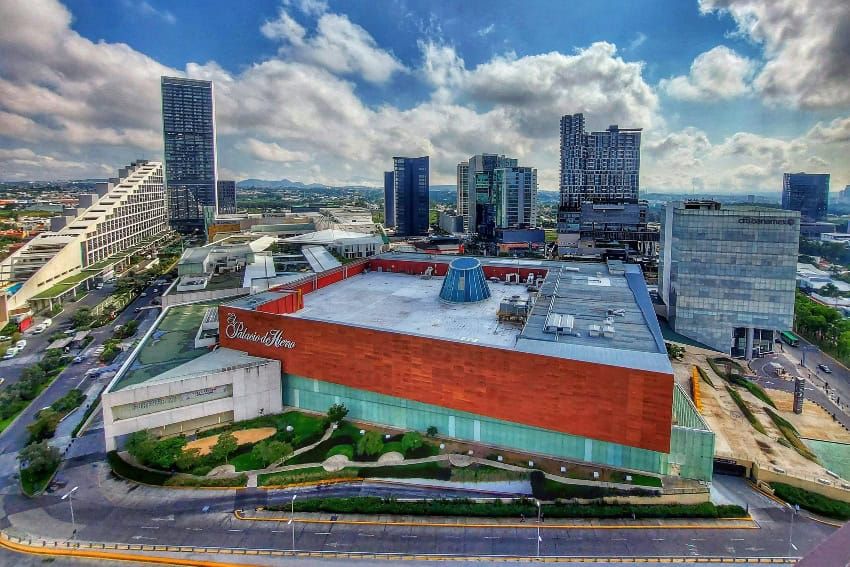
Zapopan, the most populous municipality in Jalisco with over 1.4 million residents, is transforming its former City Hall into a major cultural institution while grappling with a housing affordability crisis that has made it home to Mexico's four priciest neighborhoods.
The Palacio Municipal building, which housed City Hall from 1949 until recent years, will reopen in early 2027 as the Western Archaeology Museum (Museo de Arqueología de Occidente). The National Institute of Anthropology and History (INAH) — founded in 1939 to safeguard Mexico's cultural heritage and currently overseeing approximately 150 archaeological zones and over 100 museums nationwide — has approved the transformation.
Museum to showcase 3,000 years of western Mexico's heritage
The institution will focus on collecting, preserving and promoting archaeological heritage from Jalisco, Colima, Nayarit and Michoacán, offering visitors insights into the region's pre-Hispanic roots spanning more than 3,000 years.
Lorenza López, head of the collection at the INAH Jalisco Center, is curating exhibits that will include pieces from the Regional Museum of Guadalajara and works donated by private collectors. Students and teachers at the Western School of Conservation and Restoration (ECRO) in Guadalajara's Analco district have meticulously restored the ceramics under guidance from historians and scientists.
Exhibition highlights will feature Maya art from the Late Classic period and a theater-type incense burner from Teotihuacan. Beyond exhibition halls, the renovated building will house spaces for artistic research, outreach programs and cultural activities, complemented by an outdoor terrace and café.
Lake Chapala water levels rebound
In more positive news for the Guadalajara Metropolitan Area — home to 5.3 million people and Mexico's third-largest urban zone after Greater Mexico City and Monterrey — Lake Chapala has shown significant recovery this summer.
The lake, which is not only Mexico's largest freshwater reservoir but also one of Earth's oldest lake ecosystems at nearly 7 million years old, reached 69.48% of total capacity as of Aug. 4, 2026, according to Conagua and the State Water Commission. This marks a substantial improvement from June 2025, when capacity had plummeted to just 47.5%.
The recovery is critical for regional water security. Lake Chapala has served as Guadalajara's principal water source since the 1950s and currently provides approximately 60% of the metropolitan area's daily drinking water supply. If current trends continue, the reservoir could reach 75% capacity before the winter dry season, potentially avoiding supply cuts over the next nine months.
Despite the favorable outlook, Conagua urges continued responsible water consumption, citing climate change as an unpredictable factor in resource management.
Housing affordability reaches crisis levels
While water levels improve, housing affordability has deteriorated sharply across the metropolitan area. According to a recent ITESO study, Zapopan now contains Mexico's four most expensive neighborhoods: Ayamonte, Villa Magna, Zotogrande and Residencial Los Frailes.
In these areas, homes for sale average between 44 million and 53 million pesos (US $2.6 million to $3.1 million), with monthly rents reaching 85,000 pesos (US $4,930). Meanwhile, most families in the metro area lack sufficient income to purchase properties valued at just 1 million pesos (US $58,000), according to ITESO's Economic Analysis Bulletin.
The data reflects a broader affordability crisis. Housing prices across the metropolitan area have surged 12.5% in the past year — substantially outpacing national projections of 7-8% growth for 2026 and exceeding increases in Mexico City (5.1%) and Monterrey (9.5%). Jalisco ranks sixth nationwide for highest rental costs, with a monthly average of 29,432 pesos (US $1,707), and fourth for most expensive home sales at 8.2 million pesos (US $475,000).
National housing shortage compounds local crisis
The local crisis unfolds against a national housing deficit estimated at 8 million units, with 2025 construction totaling only 124,793 units — approximately 59% below 2015 levels. The shortage has severe human consequences: in Mexico City alone, more than 20,000 households are displaced annually due to uncontrolled price increases.
Short-term rental platforms have intensified the problem. Across major Mexican cities, three housing units convert to short-term rentals every 48 hours, steadily reducing the supply of traditional long-term housing.
ITESO researchers have observed similar displacement patterns in Guadalajara, noting that both Mexican families and legal foreign residents on modest incomes have been evicted to make way for those able to pay higher prices.
The research institute has called for increased regulation of the local housing market to curb speculation and address the imbalance between short-term rentals and long-term residential needs. It also emphasized the need for improved financing options for residents currently excluded from conventional mortgages.