Mexican peso strengthens to 16.95 per dollar as US Treasury action weakens greenback
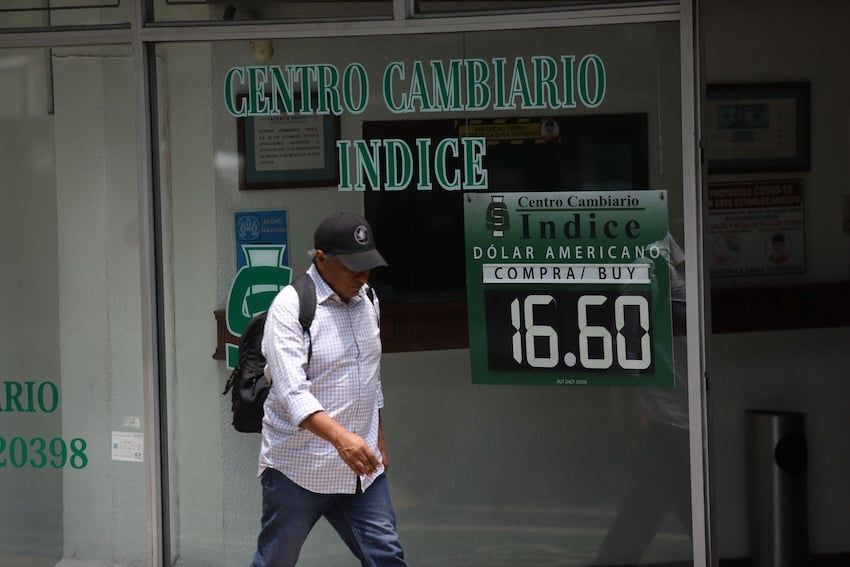
The Mexican peso surged to 16.95 per US dollar on Wednesday morning, marking its strongest position since June 2024 and breaking below the psychologically important 17-peso threshold for the second time in a week.
At midday Mexico City time, the exchange rate stood at 16.97 pesos per dollar, representing a 0.65% appreciation from Tuesday's closing rate of 17.06, according to Bank of Mexico data. The peso has now gained approximately 6% against the dollar in 2026, rebounding from its year-end 2025 level of 18.00 pesos per dollar.
Treasury buyback drives dollar weakness
The peso's strength came primarily from broad-based US dollar weakness following the Treasury Department's announcement that it would at least double the size of its liquidity-support buyback operations for longer-dated bonds. The program will increase from $2 billion to at least $4 billion per operation for securities in the 10-year to 30-year maturity range, effective September 9 through November 4.
Gabriela Siller, director of economic analysis at Banco Base, attributed the peso's morning rally to "the weakness of the dollar" resulting from the Treasury's expanded buyback program. The announcement had immediate market impact, with the 30-year Treasury yield dropping 7.8 basis points to 5.207% and the 10-year yield falling 4.9 basis points to 4.65% by Wednesday morning.
The US Dollar Index, which measures the greenback against a basket of major currencies, fell 0.7% at midday, confirming that dollar weakness extended beyond the Mexican peso to multiple foreign currencies.
Tariff pause adds momentum
Additional support for the peso came from reduced trade tensions after President Trump announced a three-day pause on planned 50% tariffs on Canadian goods. The announcement came late Tuesday, less than two hours before the tariffs were scheduled to take effect at 12:01 a.m. Wednesday on approximately $20-30 billion worth of Canadian imports.
Janneth Quiroz, director of economic analysis at the Monex financial group, noted that the peso benefited from both "the retreat of the dollar" and the United States' decision to pause the Canadian tariffs.
Remittances support peso fundamentals
Beyond short-term market dynamics, the peso's appreciation occurs against a backdrop of recovering remittance flows to Mexico. Remittances reached $30.76 billion in the first half of 2026, up 3.1% year-over-year, rebounding from a 4.6% decline in 2025. These cross-border transfers represent approximately 4% of Mexico's gross domestic product and constitute the country's single largest source of foreign currency, making Mexico the world's second-largest recipient of remittances behind India.
The average remittance payment increased 5% year-over-year to $405 per transaction in the first half of 2026, up from $386, even as total transaction volume declined 1.8% to 75.9 million operations.
Monetary policy context
The peso's strength has coincided with an easing cycle by Mexico's central bank. Banxico has cut its benchmark interest rate from 7.00% in February to 6.50% as of June, with reductions in March and May, and has maintained the 6.50% rate since late June.
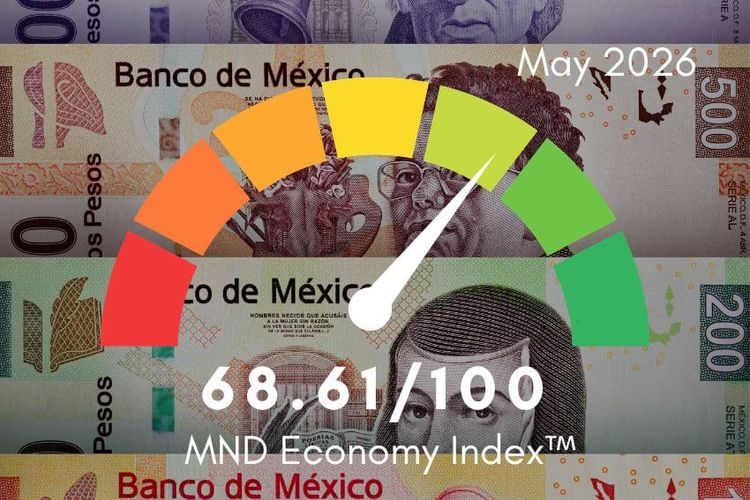
Despite breaking below 17 pesos per dollar on Friday morning, the currency closed above that level on Friday, Monday and Tuesday before Wednesday's sustained strength. According to the most recent MND Peso Index analysis conducted in early August when the rate was 17.22, the peso was overvalued against the dollar by 2.4%.
Wednesday's rally approached but remained above the June 2024 low of 16.327 pesos per dollar, which represented the peso's strongest level in over two years.