Estadio Azteca owners report $47 million loss as FIFA posts record $15 billion World Cup revenue
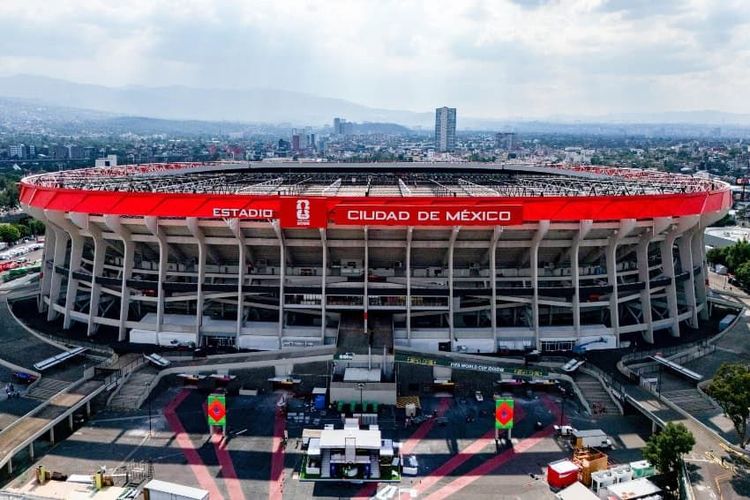
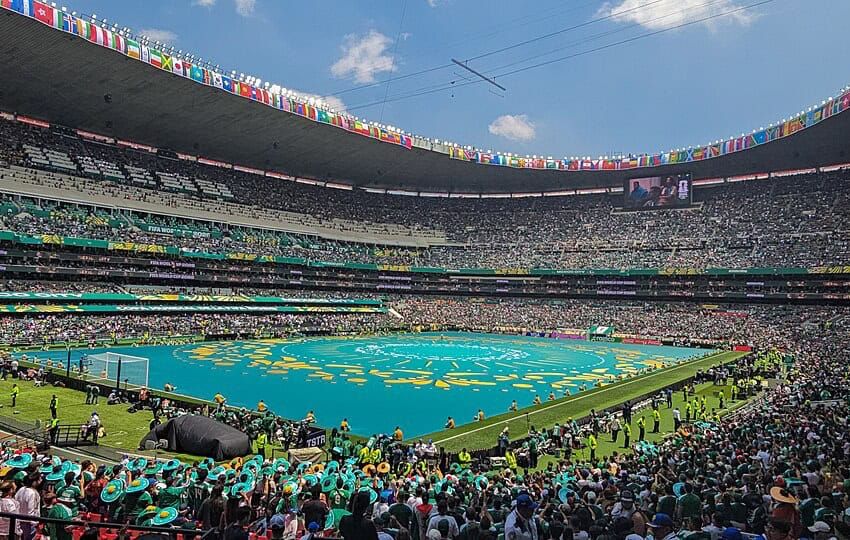
The owners of Mexico City's iconic Estadio Azteca have reported substantial financial losses from hosting the 2026 FIFA World Cup, even as the international soccer federation posted record-breaking revenues from the tournament.
Grupo Ollamani, the holding company led by media mogul Emilio Azcárraga Jean that owns the historic stadium, disclosed a net loss of 557.2 million pesos ($32.2 million) in its second-quarter financial results filed with the Mexican Stock Exchange. The company attributed the losses primarily to costs associated with hosting World Cup operations.
An additional estimated impact of 255.9 million pesos ($14.9 million) was projected for July, when the venue also hosted tournament matches. Combined, the total financial impact reached 813 million pesos ($47.4 million) covering what Grupo Ollamani described as FIFA operational costs.
Stadium control dispute drove expenses
A significant portion of the losses stemmed from a legal dispute over premium seating. Box and premium seat owners demanded access to their seats for World Cup matches, but FIFA required full control of the stadium. The dispute was eventually settled with Grupo Ollamani paying FIFA 1 billion pesos ($58.3 million) to allow seat owners to retain their access during the tournament.
The company also invested heavily in stadium infrastructure ahead of the event. Estadio Azteca underwent extensive renovations costing approximately $160 million, completed in early 2026. The modernization increased capacity to 87,523 seats and added new video screens, LED lighting, a hybrid pitch and upgraded facilities.
Grupo Ollamani emphasized in its stock exchange filing that the negative financial impact did not reflect ordinary business operations but rather extraordinary circumstances related to the World Cup. The company noted that infrastructure investments represent long-term improvements whose benefits will extend beyond the tournament period.
FIFA's revenue windfall
The financial picture stood in stark contrast at FIFA headquarters. The international federation generated approximately $15 billion in revenue from the 2023-2026 cycle, representing a more than 70% increase over the $7.5 billion earned during the 2018-2022 period. This far exceeded FIFA's initial forecast of $11 billion.
Television broadcasting rights formed FIFA's largest revenue pillar, with global fees surging from $3.43 billion in the previous cycle to $4.26 billion. Sponsorship revenue reached $2.8 billion, with all 16 global sponsorship slots sold out.
For the first time in World Cup history, FIFA employed dynamic ticket pricing, with group stage tickets selling for as high as $575—more than double the $220 maximum charged at the 2022 Qatar tournament. Some tickets exceeded $1,000 under the dynamic pricing model.
Expanded tournament format
The 2026 World Cup marked the first expansion to 48 teams, up from the previous 32-team format, with 104 total matches played across 16 host cities in the United States, Canada and Mexico. The United States hosted 60 matches, while Canada and Mexico each hosted 10 matches.
Estadio Azteca made history by becoming the first stadium to host matches at three separate FIFA World Cups, having previously hosted tournament games in 1970 and 1986.
The results confirmed that the World Cup failed to generate the anticipated economic impact for many stakeholders, particularly in the hospitality sector. Grupo Ollamani, spun off from Grupo Televisa, also owns Club América, one of Mexico's most prominent football teams, in addition to the stadium.
Azcárraga Jean, the third-generation leader of the Azcárraga family media empire, assumed control of Grupo Televisa in 1997 following his father's death. He currently serves as Chairman and holds approximately 43% of voting shares through the Azcárraga Trust.