Mexico's industrial activity edges up in June amid construction boom and mining gains
Mexico's industrial activity inched forward in June with a 0.2% monthly increase, according to the national statistics agency INEGI, though the gain barely offset May's 0.7% contraction. The modest recovery was propelled by surging construction activity and strong mining performance, even as the manufacturing sector continued to struggle.
The Monthly Indicator of Industrial Activity expanded 0.8% compared to June 2025, improving on May's 0.2% annual increase and marking three consecutive months of year-over-year growth after frequent declines since March 2025. On a quarterly basis, industrial activity rose 1.5% in the second quarter, driven primarily by robust April performance and sustained construction momentum.
Construction drives industrial recovery
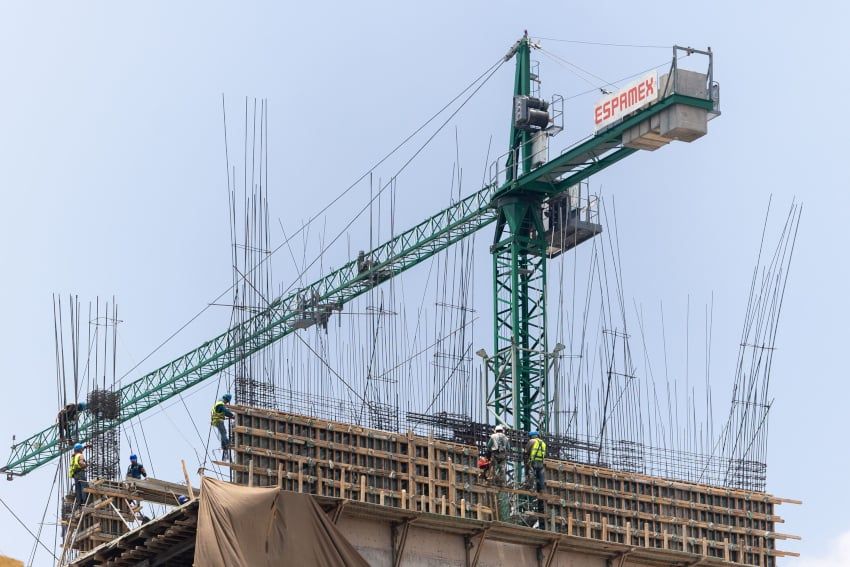
Construction emerged as the primary engine of June's industrial upturn, surging 3% compared to May and recovering most of the ground lost in the sector's 3.7% monthly decline in the previous period. Building construction work led the rebound with a 4.8% increase, while civil engineering work fell 2.7% and specialized work decreased 0.6%.
The construction sector, which contributes approximately 7% to national GDP and generates roughly 4.7 million jobs, posted a 4.2% increase compared to June 2025. Analysts attribute the sector's strength to multiple factors, including infrastructure investment, ongoing project continuity, and private investment linked to production chain relocation.
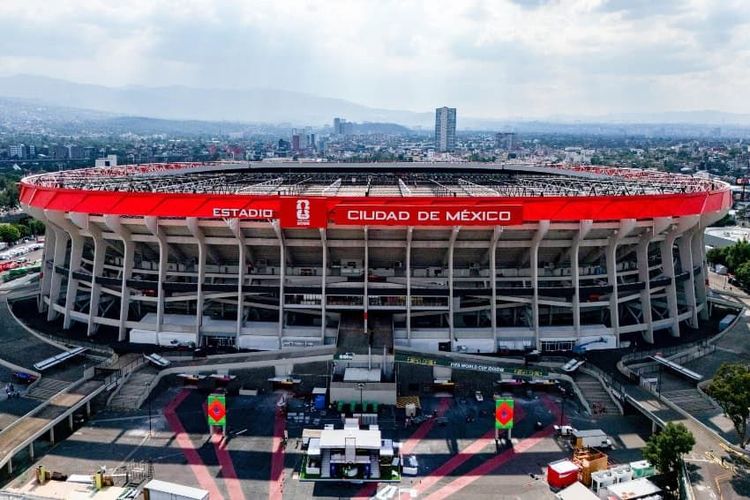
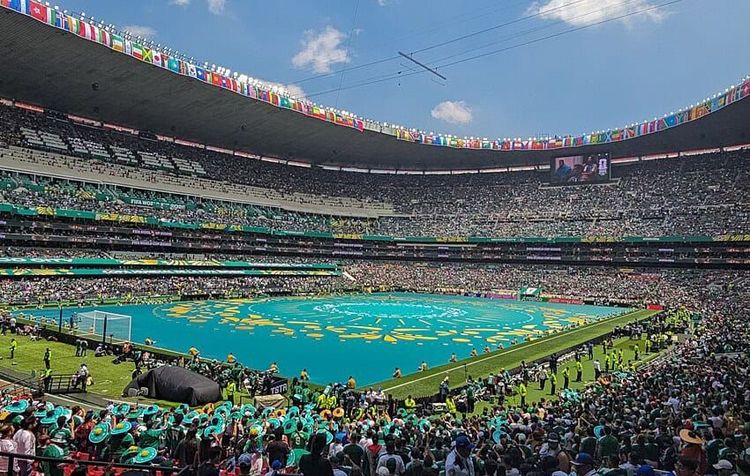
The Mexican government proposed allocating $29 billion in the 2026 budget for priority infrastructure projects, representing a nearly threefold increase from $6.4 billion in 2025. Additionally, World Cup-related construction continues to boost activity, with Mexico City alone allocating more than $1.33 billion for over 2,000 public works projects tied to the tournament, including mobility, water infrastructure and urban upgrades. Mexico will host 13 matches in the 2026 FIFA World Cup across Mexico City, Guadalajara and Monterrey, with the tournament expected to attract 5.5 million additional visitors to the three host cities.
However, economist Sergio Luna cautioned that the construction boom stems almost exclusively from civil works, raising sustainability concerns since new projects might not necessarily follow current commitments.
Mining sector gains momentum
Mining posted the strongest annual performance among industrial subsectors, climbing 7% compared to June 2025. The sector's growth reflects operational improvements and favorable market conditions. International metal prices are experiencing significant increases in 2026, with aluminum, copper and tin prices projected to hit record annual highs, each rising by about 20% according to World Bank forecasts.
Manufacturing remains under pressure
Manufacturing, traditionally the backbone of Mexico's industrial activity, declined 1.2% year-over-year in June, marking 12 consecutive months of negative annual growth. The sector also fell 0.6% compared to May, representing its second consecutive monthly decline following a 0.1% drop in the previous period.
Mexico's manufacturing sector declined 1.3% in 2025, partly attributed to the end of the megaproject cycle and the oil sector's weakness. In June, declines were recorded in 10 of the 21 manufacturing branches measured by INEGI, including non-metallic minerals (down 5.2%), textiles (down 4.6%), transportation equipment (down 3.2%), clothing (down 2.2%) and furniture (down 1.7%).
Despite these challenges, signs of potential recovery are emerging. Mexico's S&P Global Manufacturing PMI rose to 51.3 in June 2026 from 49.6 in May, marking the strongest reading since March 2024, with order book volumes expanding at the fastest pace in 27 months, supported by World Cup-related activity.
Foreign direct investment rose 10.4% to $23.591 billion in the first quarter of 2026, the highest figure recorded for a comparable period, driven by nearshoring trends. Mexico climbed from 25th to 19th place in Kearney's 2026 Foreign Direct Investment Confidence Index, marking one of the largest gains globally alongside Singapore.
The electricity, generation, transmission and distribution sector, which includes water and gas supply, posted modest growth of 0.7% compared to June 2025.
The 2026 USMCA review process formally launched in March with technical talks set for July, creating uncertainty affecting investment decisions. The review is expected to reset rules of origin, tighten China-content limits and shape North American supply chains for the next six years.