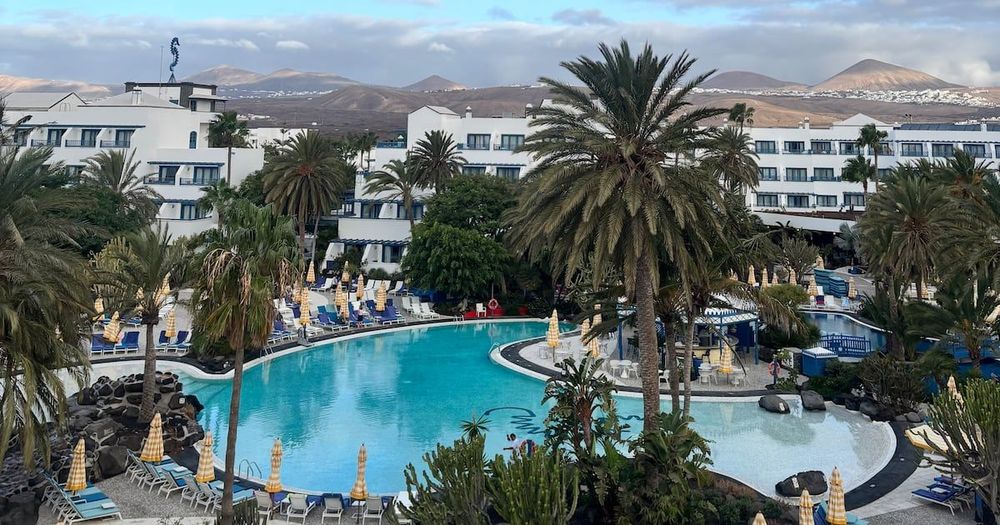
The nickname and the island's development
The label dates to the 1970s, according to Lanzarote Guidebook author Nick Hall. Writing for Heather on her travels, Hall attributes it to the Monty Python team and says it left the island with a lasting downmarket image in the UK.
That same decade, Lanzarote-born artist and architect César Manrique campaigned to curb overdevelopment. Hall credits him with securing island-wide bans on high-rise buildings and advertising billboards, helping shape Lanzarote's low-rise, whitewashed appearance.
The eruptions that shaped Timanfaya
Much of the island's central volcanic landscape took shape between September 1, 1730, and April 16, 1736. According to the International Parks visitor guide, the Timanfaya eruptions lasted nearly six years, making them the longest continuous volcanic eruption in the Canary Islands' recorded history. More than 300 vents opened; lava and cinder cones spread across more than a quarter of Lanzarote.
Protection came in 1974, when Law 26/1974 established Timanfaya as a Spanish national park amid concerns about tourism development and quarrying. Lanzarote subsequently received UNESCO Biosphere Reserve status in 1993, with Timanfaya as its core area. The park attracted about 1.7 million visitors in 2025.
The volcanic heat remains part of the visitor experience. Inside the park, El Diablo restaurant grills food using residual geothermal heat. The International Parks guide reports ground temperatures above 100°C at a depth of 10 centimeters and above 400°C at six meters.
A record year for tourism
Lanzarote welcomed a record 3,455,200 tourists in 2025, according to Canary Islands Statistics Institute (ISTAC) figures compiled by the Lanzarote Data Centre. Arrivals rose 1.4% from 2024, an increase of 48,289 visitors.
The United Kingdom remained the island's largest source market. Arrivals from Ireland increased 7.4% year over year, while those from Germany declined.