The encounter and police response
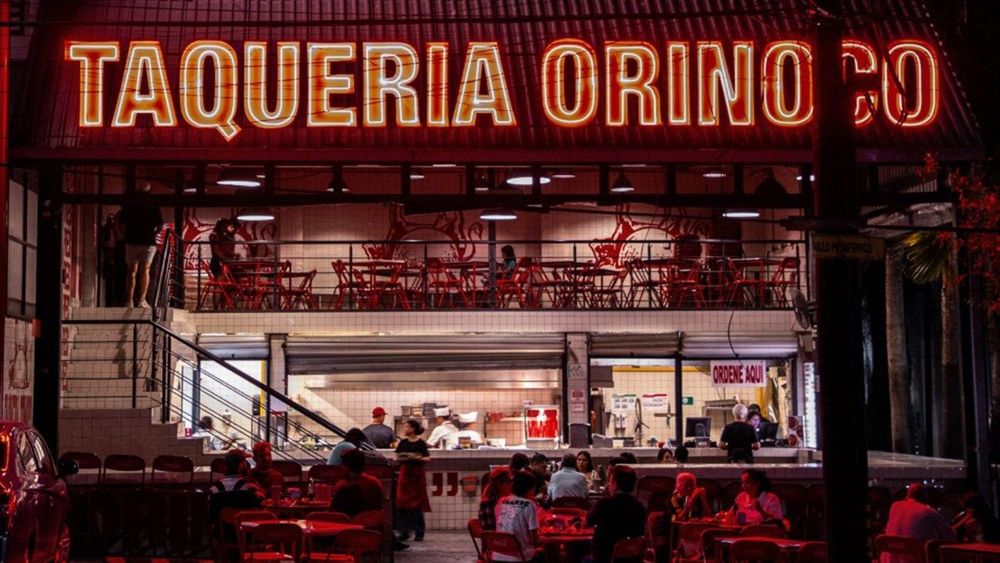
The dispute occurred at the restaurant's Condesa location on Oct. 22, 2026, at about 9:39 a.m. Navarro said the woman appeared intoxicated and grew aggressive after employees declined her request to call a taxi.
According to Navarro, she hit a waitress, then threw his tacos at him when he stepped in. He also accused her of using xenophobic slurs and repeatedly questioning employees about their pay. Social media users gave the woman the nickname "Lady Gringa."
Police came to the restaurant, but none of those involved filed a complaint, Univision reported. No arrest or charges were reported. Navarro said he chose not to pursue charges because the process would be too much for him.
Tourism tensions meet housing pressures
Online responses connected the encounter to broader resentment of American visitors. One TikTok user wrote, "All the videos I've seen of Americans in Mexico City show them being disrespectful to locals." Another commented, "They ask how much we make here, but they're the first ones to come to Mexico because life is less expensive and they feel like kings." Some people have called for city authorities to impose restrictions or otherwise act against visitors who behave disrespectfully.
The Washington Post described the video's spread as reviving tensions over gentrification and overtourism. In its Oct. 23, 2026, report, the newspaper said short-term rentals now account for as much as one-fourth of the housing options in some Mexico City neighborhoods.
Housing costs and displacement are also central to the debate. In an Oct. 20, 2026, report by Excélsior, Sedatu deputy minister José Alfonso Iracheta Carroll said unaffordable housing had pushed about 2 million residents to surrounding municipalities over roughly two decades, chiefly in the State of Mexico and Hidalgo. He said the capital's population had declined from about 9 million to about 7 million.
Excélsior also cited neighborhood organizations' estimate that more than 400,000 families had been displaced from central areas during the past decade. The report put about 46% of the city's short-term rental supply in the Cuauhtémoc borough.
Protests over costs and displacement
Mexico City has experienced several anti-gentrification protests in recent years amid anger over inflation, residents' displacement and incidents involving visitors.
One march on July 4, 2025, brought hundreds of people into the streets with "gringo go home" signs and demands to limit short-term rentals and tax foreigners. The Los Angeles Times reported that demonstrators passed the U.S. Embassy and that the march was mostly peaceful.
Later, some participants broke windows at more than a dozen storefronts, including a bank, a popular taco chain and a Starbucks. At the time, the city had more than 35,000 Airbnbs, according to the Los Angeles Times.
What the rent proposal covers
Mayor Clara Brugada submitted her "Ley de Rentas Justas" initiative to Mexico City's Congress on Oct. 14, 2026. But the proposal excludes short-term accommodations offered through Airbnb and similar platforms, Proceso reported.
Those rentals remain subject to the city's Tourism Law, which requires registration of hosts and properties and limits occupancy to 50% of nights in a year.
The initiative also highlights a ceiling on rent increases tied to inflation. That restriction is not new: It has been part of the city's Civil Code since August 2024, and Mexico's Supreme Court (SCJN) upheld its constitutionality in February 2026, according to Proceso.