Veracruz opens marigold fields to tourists as growers seek to expand sales
San Pablo Coapan will open its marigold fields to visitors this Saturday, launching a festival that represents both a cultural celebration and a critical sales window for approximately 60 farming families in the Naolinco municipality of Veracruz.
The fifth edition of the Marigold Festival runs from October 17 through November 2, with growers expecting to produce around 50,000 bundles of flowers and host roughly 5,000 visitors. For this small community in a municipality of 22,835 residents, the anticipated visitor numbers represent nearly a quarter of the total population, underscoring the event's significance.
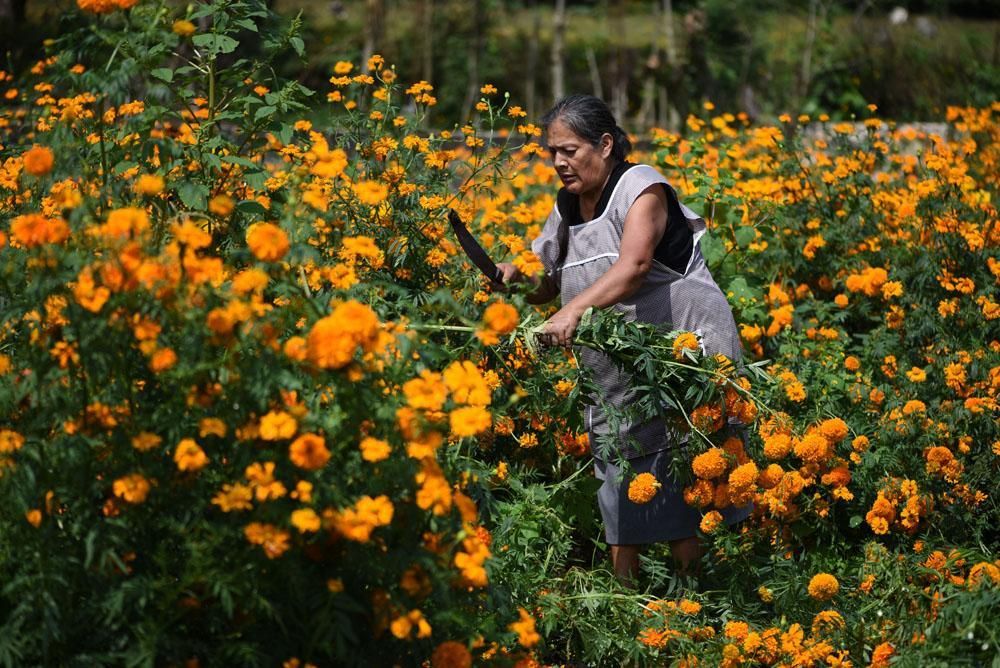
The festival centers on direct sales of marigolds—known in Nahuatl as cempasúchil, meaning 'flower of twenty petals'—which hold deep cultural importance in Day of the Dead traditions. These golden blooms, rooted in pre-Hispanic Aztec rituals, are believed to guide returning spirits through their vibrant color and distinctive scent, making them the most significant flower in Mexican Day of the Dead celebrations.
A brief harvest season that sustains families year-round
Behind the tourism program lies an agricultural reality shaped by concentrated seasonal demand. The San Pablo Coapan Association of Agricultural Producers and Flower Growers reports that member families work approximately 25 hectares of land, cultivating not only marigolds but also cockscomb, strawflower and sunflowers—all flowers used in altars and offerings.
Veracruz stands among Mexico's main ornamental flower-producing states, alongside Morelos, Puebla, Querétaro, Mexico City, Michoacán and Baja California. Within this regional industry, San Pablo Coapan has developed specialized production timed to the brief commercial window surrounding All Souls' Day.
The growers aim to leverage visitor traffic to sell their harvests directly and expand beyond established customer networks. Tourists will tour designated garden areas and, in production fields, cut and purchase flowers from the people who cultivate them.
Naolinco Mayor Narciso Reyes stated the municipality is preparing its agenda to attract visitors from Xalapa—located approximately 35 kilometers away—as well as Veracruz, Boca del Río and surrounding communities. He reported that discussions have begun with representatives from other Magical Towns, including Coatepec and Xico, to supply them with San Pablo Coapan's flower production.
The Magical Towns designation carries particular weight for Naolinco, which received the official recognition from Mexico's federal government in 2023. The Pueblos Mágicos program, launched by the Secretariat of Tourism in 2001 to promote tourism in smaller towns and rural areas, now includes 177 designated communities nationwide. The designation provides government support for tourism infrastructure and positions municipalities as recognized cultural destinations.
Tourism as an extension of the fields
For producing families, the festival offers a chance to bring consumers directly to the source while diversifying income streams through tourism. The local association's figure of nearly 50,000 flower bundles provides a production estimate, though municipal officials continue compiling more precise sales volume data. The mayor's reference to approximately 5,000 expected visitors will serve as a benchmark for measuring the season's reach.
Visitor spending could benefit local shops, food establishments and other services, though no official economic impact projection has been released. Nationally, Day of the Dead tourism generates substantial economic activity—festivities in 2024 produced between 18 and 25 billion pesos across Mexico through hotels, restaurants, tours, crafts sales and transportation.
For Naolinco, located at an elevation of 1,318 meters in the state's Capital Region, the opportunity involves connecting agricultural production with tourism while ensuring producing families remain central beneficiaries. Direct purchases allow visitors to trace flower origins while directing spending toward households that prepare the harvest.
From rural fields to municipal center
The program extends from San Pablo Coapan's fields into downtown Naolinco, where cultural activities begin October 26 with a traditional market featuring altar and offering products, plus an exhibition and sale of papel picado and catrina crafts.
A legends tour through the municipality's streets is scheduled for October 29. The following day features a praise-song contest and cultural presentations with school participation and offering exhibitions. October 31 includes the opening of the main altar, an exhibition at the Casa de Cultura, and performances by Veracruz harp ensembles and Colombian musicians.
One central event occurs Sunday, November 1, with the traditional Cantada beginning at 9 p.m. in the Municipal Palace's lower level. The event continues with a tour of altars installed at participating schools and homes, including a visit to the municipal cemetery. The program closes November 2 with a philharmonic orchestra performance at Naolinco's church.
In San Pablo Coapan, field visits align with blooming periods and harvest sales. Festival organizers seek to distribute visitor flow between the rural area and municipal seat so the season benefits both flower growers and other local businesses.
Where tradition meets economic necessity
Naolinco has built recognition around its handicrafts, footwear, cuisine and All Souls' Day observances. In San Pablo Coapan, flower cultivation adds an agricultural dimension to this cultural offering, transforming fields into attractions during the weeks preceding Day of the Dead.
The festival also provides insight into the work preceding the season: plot preparation, germination, transplanting, tending and cutting. This production chain delivers results to markets and altars during a compressed period when demand for offerings peaks.
The expectation of receiving thousands of visitors will test the community's capacity to balance tourism with harvest sales. Beginning October 17, San Pablo Coapan opens its fields for a season uniting memory, agriculture and economic opportunity. For growers, the challenge involves converting interest in marigold landscapes into purchases and improved prospects for the families sustaining the tradition.