Protests and releases bring wider allegations to light
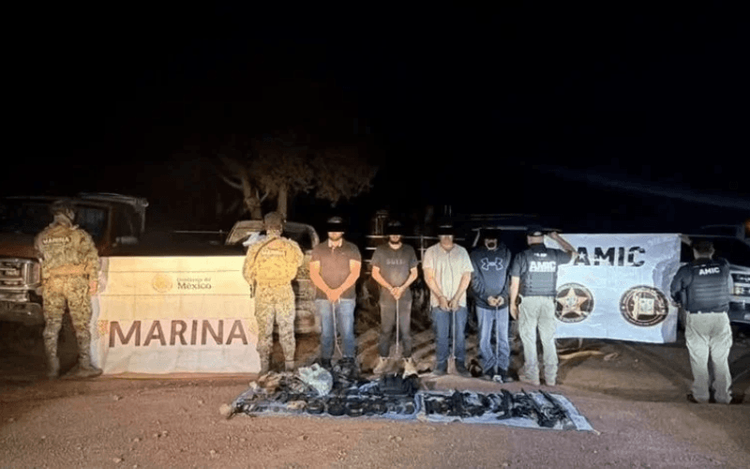
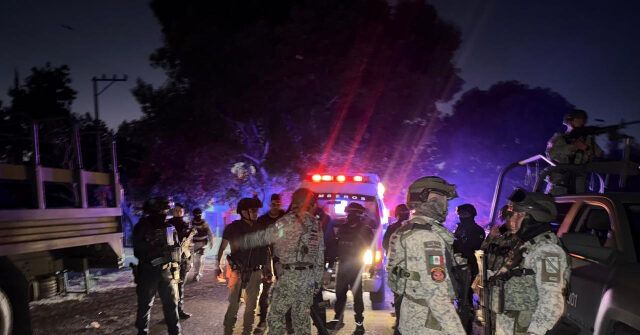
The allegations emerged after farmers protested the abduction of seven colleagues who had been held for 23 days, according to Breitbart. The government responded with military-led searches, and the cartel freed six of the seven after several days of pressure.
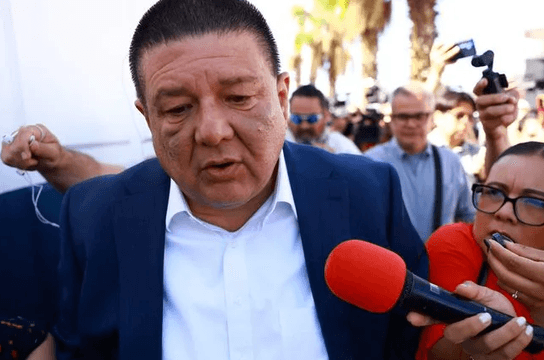
In a streamed interview, Father Filiberto Velázquez, director of the Minerva Bello Center for the Rights of Victims of Violence, said the freed farmers described a detention site containing more than 100 captives. Details of the broader kidnappings remain unclear.
The Minerva Bello Center and other press accounts describe an initial group of eight abducted on September 24, 2026, while working in La Lajita, a community in the El Balcón ejido in Ajuchitlán del Progreso, Guerrero. Those accounts say a 12-year-old was freed on October 1 and six others on October 16. Domingo Atanacio Quirino, 50, remains missing.
Activists link the kidnappings to the cartel's effort to establish an operating base in El Bajón de Ajuchitlán. Residents have resisted the plan and publicly opposed the group's presence. According to the account reported by Breitbart, the abductions appear intended to break that resistance, with some farmers also facing efforts to force them into the cartel.
Survivors describe abuse and repeated transfers
Velázquez said the freed farmers suffered physical and psychological torture, including severe beatings and threats to kill them. He also relayed their accounts of being kept in shackles and chains and given just one meal a day. In that account, they reported seeing 136 other captives across the places where they were held.
A released farmer whose testimony was circulated by CrashOut estimated that his camp held roughly 130 people, including women and minors. He described captives from different parts of Mexico, with some saying they came from California. Some had been detained for months or years, he said, and young captives were allegedly forced to fight for the cartel.
According to Velázquez, gunmen loaded captives onto several trucks and moved them as military searches proceeded, keeping ahead of the authorities. He said the detention sites included ranches, plots of land and warehouses in Tierra Caliente, as well as locations in the State of Mexico.
State disputes report as families seek help
On October 22, Guerrero's undersecretary of political and social development, Francisco Rodríguez Cisneros, said the state government did not recognize the reported mass kidnapping because there was no formal complaint. He urged Velázquez to present evidence to the authorities.
Velázquez, meanwhile, accused state officials of ignoring the released farmers' needs. He said they had received neither care nor support and were paying their own medical bills.
Residents of the Guajes de Ayala ejido in Guerrero's Sierra separately accused the state government of failing to act. They said at least nine people, including a three-year-old child, remained missing and were allegedly in cartel custody. Residents said the number could be higher and that they had three complaints in progress.
Threats forced the priest from Guerrero
Velázquez himself was displaced from Guerrero in early 2026 after receiving direct threats from organized crime, despite National Guard protection dating to October 2023. That month, he had survived an armed attack on the Chilpancingo-Chilapa highway. The Diocese of Chilpancingo-Chilapa confirmed his departure.