Driver reaches military checkpoint
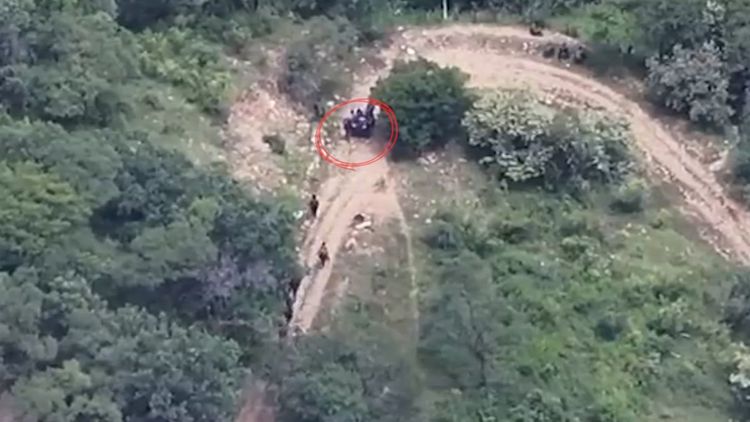
The Sinaloa government said the driver was the target of the shooting. Gunmen approached the green public transit bus and opened fire, leaving him with shrapnel injuries.
Reports identified the driver as Hugo "N" and placed the attack in the Francisco I. Madero neighborhood. The students aboard were ages 12 to 17. The bus served the El Robalito–Escuinapa route and was also identified as unit 63/68 on the Centro-Hospitales-UAS-UT urban route.
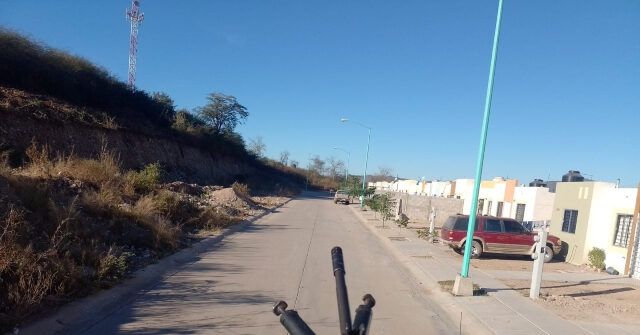
Despite his wounds, the driver reached soldiers at the Puente Veracruz checkpoint, where the students got off. The bridge connects the Francisco I. Madero neighborhood with central Escuinapa.
Passenger-recorded videos of the shooting circulated on social media. Authorities searched for the attackers but did not find them.
The attack followed an earlier interruption to school transportation over security concerns. According to Noroeste, municipal authorities had restored routes linking outlying neighborhoods with school zones about a year earlier, judging alternatives such as motorcycles to be more dangerous.
Earlier attacks in Escuinapa
The municipality has suffered several high-profile attacks this year. Four municipal police officers were killed in an attack in late March, among them operational deputy director Esteban Gutiérrez Mazariegos. Another municipal officer was killed nine days later.
On October 11, gunmen killed municipal Civil Protection coordinator Jesús Francisco López Bibriesca in downtown Escuinapa. He was carrying out preventive work related to Hurricane Simón.
The bus shooting prompted criticism from opposition politicians. Alejandro "Alito" Moreno, the PRI's national president, blamed the Morena government for failing to contain the violence and demanded arrests. Senator Lilly Téllez described the attack as an act of terrorism, while PRI state legislator Irma Moreno Ovalles criticized Morena's security strategy.
Two years of cartel infighting
The violence in Sinaloa has continued despite large military deployments. Breitbart Texas has reported that the Sinaloa Cartel's rival Chapitos and Los Mayos factions are fighting a turf war that has killed thousands and led to thousands of forced disappearances.
The fighting began on September 9, 2024, 47 days after Joaquín Guzmán López, a son of "El Chapo" Guzmán, kidnapped Ismael "El Mayo" Zambada on July 25 and handed him over to U.S. authorities.
Sinaloa Dossier reported figures attributed to the state prosecutor's office, the National Search Commission and search collectives for the period from September 9, 2024, through August 31, 2026: 3,181 intentional homicides, 166 feminicides and 12,481 vehicle thefts.
Estimates of disappearances over that period ranged from 7,245 to 8,000. The figures differed by source: official complaints totaled 4,125, while search collectives put the number above 8,000.
Federal charges against the governor
Separately, the U.S. Department of Justice filed an indictment earlier this year accusing Sinaloa Governor Ruben Rocha Moya of working for Los Chapitos. He faces drug trafficking conspiracy and weapons charges.
According to Breitbart Texas, Mexican President Claudia Sheinbaum has publicly defended Rocha Moya, a member of her political party, rather than helping secure arrests and extraditions. She has said there is no evidence of wrongdoing by the governor.