Detention and defense challenge
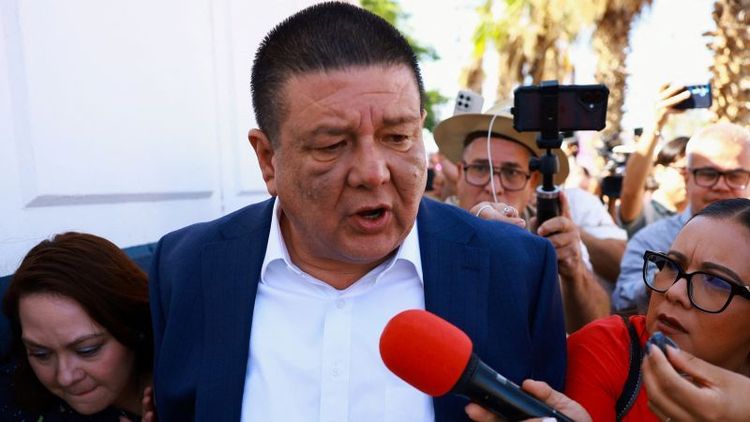
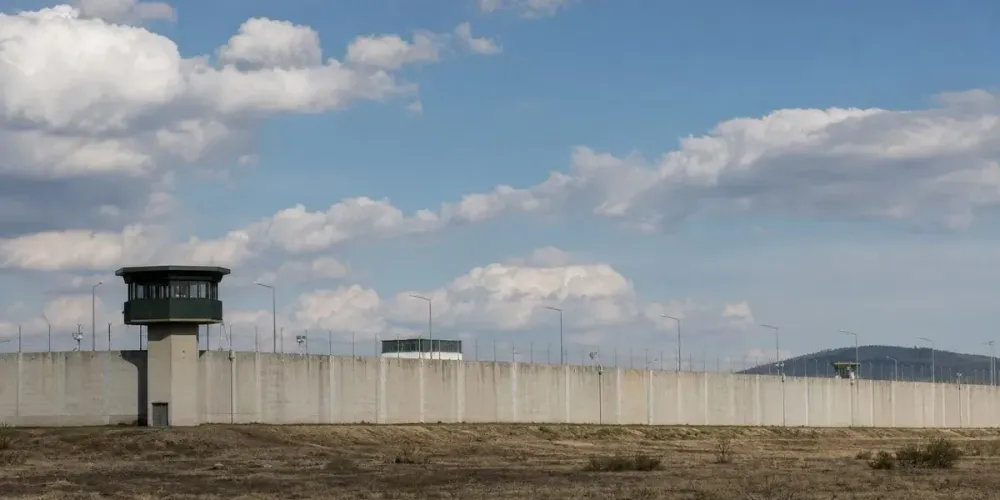
Judge Ricardo Alfonso Santos Dorantes issued the ruling following a closed hearing at the Altiplano federal prison complex in Almoloya de Juárez, according to The Rio Times. Federal prosecutors submitted roughly 150 pieces of evidence, which the defense said failed to establish Jáuregui's responsibility.
El País reports that the judge imposed mandatory pretrial detention, known as prisión preventiva oficiosa, keeping Jáuregui at the maximum-security Altiplano prison throughout the proceedings until sentencing. The newspaper said prosecutors had requested that the hearing be closed on national-security grounds.
Defense attorneys José Ramón Flores and Héctor Villasana dispute the strength of the prosecution's case. Villasana said none of the 80 to 90 witness accounts in the file directly implicated his client. The lawyers plan to contest his detention through amparo proceedings, a constitutional mechanism for protecting rights.
Jáuregui, 65, faces allegations that, according to his defense's account to El País, emphasize disloyalty to Mexico and foreign collaboration, with appeals to nationalism and love of country. Article 123 of Mexico's Federal Criminal Code provides for a prison sentence of five to 40 years and a fine of up to 50,000 pesos for treason.
The raid and the foreign personnel
At the center of the case is an April 2026 raid in El Pinal, in Chihuahua's Morelos municipality. El País reports that investigators discovered two camps containing six clandestine laboratories used to produce synthetic drugs. Jáuregui described the discovery as "one of the largest ever found in the country."
After the raid, a convoy vehicle went over the edge of a ravine and exploded. The crash killed Pedro Román Oseguera Cervantes, who headed the state investigative agency; his guard, Manuel Genaro Méndez Montes; and two U.S. citizens. According to El País, the vehicle fell about 200 meters in Polanco, in the municipality of Batopilas, and gasoline containers it was carrying caused the explosion.
The federal prosecution alleges that Jáuregui permitted foreign personnel to take part without proper authorization in operations reserved for federal forces. Mexican media cited by The Rio Times identified the Americans who died as undercover CIA agents. The prosecutorial statements cited in that report described them only as foreign personnel, and the report included no U.S. government confirmation.
El País identified the deceased Americans as Richard Leiter Johnston III, 35, who had trained in the U.S. Army, and John Dudley Black, 43, who had trained in the U.S. Navy. The newspaper described both men as CIA agents and reported that four agents from the agency participated in the operation.
According to El País, the two surviving agents descended into the ravine to recover the bodies. It also reported that the agents had repeatedly entered and left Chihuahua since at least January 2026.
Resignations and separate criminal proceedings
Governor María Eugenia Campos established a special unit to investigate the El Pinal operation two days before Jáuregui resigned on April 27, 2026, according to El País. In stepping down, he acknowledged responsibility for not disclosing that foreign personnel had participated.
Another official named in the investigative file was Guillermo Arturo Zuany Portillo, then Chihuahua's special prosecutor for strategic operations. El País reports that the file identified him as the principal facilitator of CIA involvement within the state attorney general's office. He resigned in mid-May 2026 and has been missing since. Authorities are seeking him on charges of unlawful exercise of public office and making false statements to authorities.
Jáuregui faces a state prosecution for unlawful exercise of public office and destruction of documents, separate from the federal treason case. El País reports that a state judge granted him conditional release, but agents from the federal prosecutor's office, known as the FGR, were waiting outside the courthouse. They served a new arrest warrant and transferred him to Altiplano.
Political dispute and earlier treason cases
El País describes the case as a political crisis involving Chihuahua and the federal government. Campos, a member of the PAN party, supported Jáuregui's arrest. President Claudia Sheinbaum also defended it and denied that there was any political pact. Jáuregui maintains that the prosecution is politically motivated; before the case, he had planned to seek the mayoralty of Chihuahua City in the 2027 elections.
The newspaper places the proceedings alongside earlier treason cases, noting that Chihuahua has now been caught up in such a case twice in just over 20 years. In 2003, more than 40 municipal police and customs-inspection agents in the state handed 15 Mexicans to the FBI without following the required legal procedures.
El País also notes that Joaquín Guzmán López, the son of Joaquín "El Chapo" Guzmán, was charged with treason for delivering Ismael "El Mayo" Zambada to U.S. authorities.