Institutional Standoff Over Investigation
Mexico's National Human Rights Commission has publicly criticized Jalisco state authorities for failing to cooperate with investigations into alleged human rights violations during recent protests over water quality in Guadalajara, the country's third-largest metropolitan area with approximately 5.3 million residents.
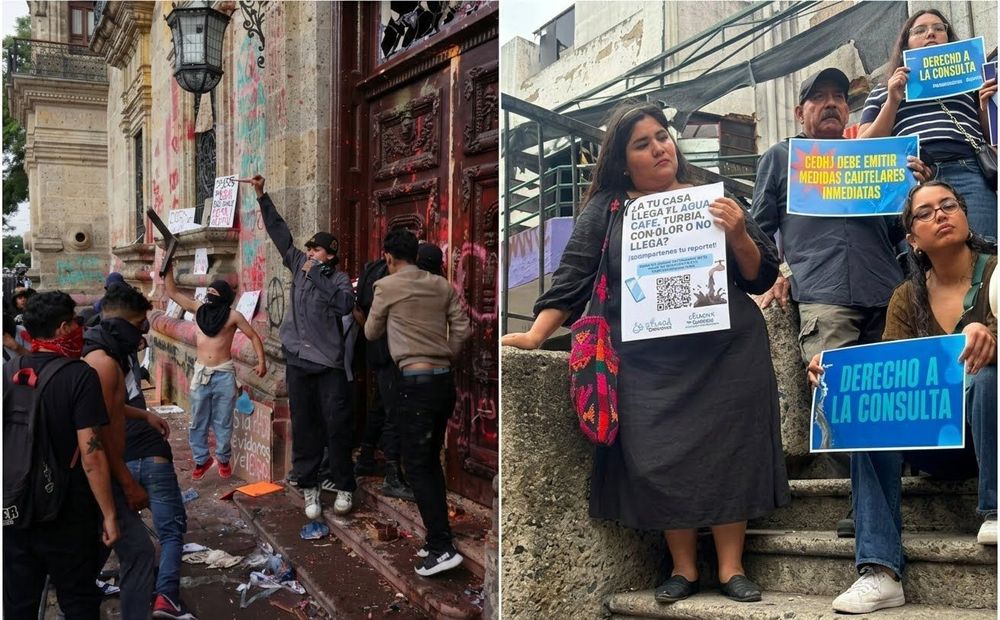
In a statement released Monday, October 19, the commission said that during five days of investigative work in Jalisco, it received no response to requests for meetings with state officials and did not obtain case files it had requested from the Jalisco State Human Rights Commission. The lack of documentation is hampering efforts to follow up on possible violations reported during the first demonstration on October 11, which drew more than 10,000 people and resulted in 39 arrests, 57 people injured, and 28 police officers injured.
The federal commission, created in 1990 and staffed by more than 1,000 employees, is tasked with investigating security force abuses and issuing non-binding recommendations for prosecution. Its criticism puts both the conduct of security forces and coordination among institutions responsible for investigating abuses under scrutiny.
Questions over infiltrators and unidentified officers
The commission said that during the October 11 events, people in civilian clothing may have acted in coordination with police authorities, despite official statements describing them as unaffiliated with operations. The body called for clarification of who these individuals were, what role they played, and whose instructions they followed.
The second mobilization, held Sunday, October 18, also came under investigation. The protest began around 11 a.m. but was temporarily halted when attendees identified a group of hooded people as alleged infiltrators. According to reports gathered by the commission, the individuals threw firecrackers at protesters. A contingent of more than 1,000 people then continued to the Government Palace, where the gathering was described as peaceful.
During that demonstration, commission personnel observed groups of federal and municipal police, as well as riot officers carrying protective gear and weapons without visible identification. Several officers also lacked insignia showing which agency they belonged to. The absence of visible badges or identifying marks makes it difficult to establish officers' identities when complaints of excessive force are filed.
The commission reported that two people identified by protesters as alleged infiltrators were handed over to police officers in a procedure documented by state commission staff. The federal body called for an investigation into their participation in disturbances and for authorities' conduct during the handover and subsequent arrests to be clarified.
Legal proceedings against officers
The irregularities have prompted legal action. Seventeen police officers have faced legal proceedings over allegations of excessive force during the October 11 protest, while detainees have also accused officers of torture.
The state commission said it accompanied the October 18 march and monitored respect for the rights of those detained. It also said that regarding the October 11 events, it was still within the legal deadline to provide the file requested by the federal commission. According to information released by the local body, none of the people detained during the second protest had filed complaints with that institution.
Federal intervention in the crisis
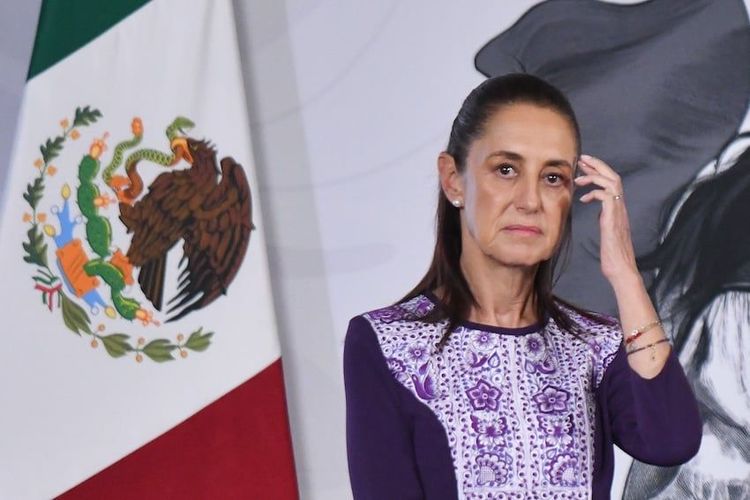
The dispute between the two commissions follows irregularities during the first protest, when residents reported assaults and arrests during a mobilization demanding better-quality drinking water. President Claudia Sheinbaum, who took office on October 1 as Mexico's first woman president, asked the commission to investigate and publicly questioned who had ordered the use of force. The Jalisco government announced an internal investigation into officers who allegedly acted disproportionately.
Federal involvement extends beyond human rights monitoring. The National Water Commission has confirmed collaboration with Jalisco's government to address the water crisis, including rehabilitation of the antiquated Chapala aqueduct and cleanup of the Lerma-Santiago river basin contaminated by industrial discharges.
The underlying water crisis
The issue that sparked the marches is the quality of the water supply in the Guadalajara metropolitan area. Residents have reported water with sediment, foul odors, and brown or black coloring for months, forcing many families to buy bottled water for basic needs including bathing, washing clothes, and cooking.
Governor Pablo Lemus acknowledged that water quality began deteriorating significantly since December 2025. The state later stopped water extraction from the Las Pintas dam, a measure that improved quality but reduced the city's water supply by 30 percent. The Jalisco government has announced a six-month water rationing scheme affecting the metropolitan area as part of measures to address the crisis.
Authorities have also unveiled plans for a long-term infrastructure overhaul requiring more than 20 billion pesos in investment to address the aging water system.
The October 18 protest brought together demands for access to clean water and calls to clarify the arrests and alleged assaults reported a week earlier. The escalation of demonstrations, disturbances, and the institutional dispute over the release of case files have turned the matter into a test of mechanisms for overseeing police conduct.
The commission said it would continue its investigative work and that the inquiry was making progress. The case is also being monitored by the National Protection Mechanism for Human Rights Defenders and Journalists and by the Executive Commission for Attention to Victims in Jalisco.
As authorities review police conduct, residents are still awaiting a substantive response to the demand that prompted the mobilizations: clean, safe water in their homes.