Three Men Sentenced to Over 158 Years Each
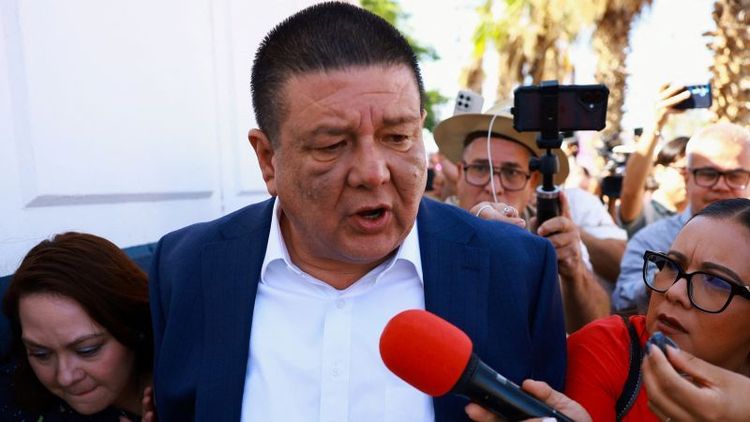
A judge in Ensenada, Mexico, sentenced three men to more than 158 years in prison each on Friday for the murders of two Australian brothers and their American friend, concluding a case that exposed the dangers faced by visitors to the tourism-dependent region of Baja California.
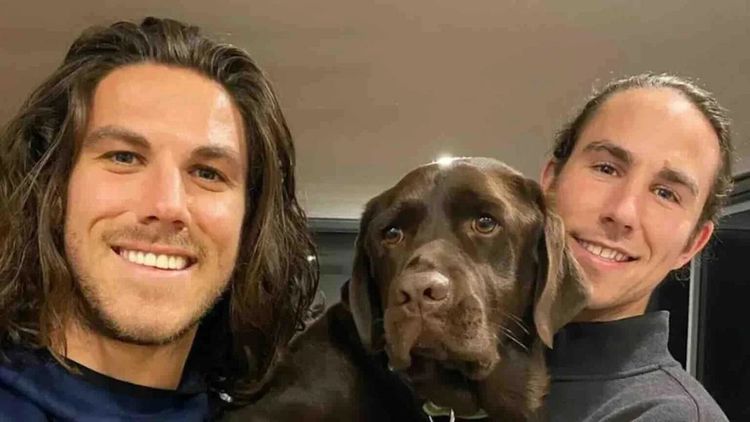
The sentencing came one week after Jesús Gerardo García, known as "el Kekas," Irineo Francisco "N" and Ángel Jesús "N" were found guilty in the killings of Australians Callum and Jake Robinson and American Carter Redd Rhoad. The judge in the coastal city of Ensenada ruled that each defendant would serve 158 years and nine months for murder, robbery with violence and vehicle theft with violence.
The Victims and Their Fatal Trip
The three friends traveled to Mexico in late April 2024 to surf at a beach in Punta San José, approximately 80 kilometers from Ensenada. Callum Robinson, a professional lacrosse player with the U.S. Premier Lacrosse League known as "the big koala," made the trip with his brother Jake, who was pursuing a medical career and about to begin work as a doctor upon returning to Australia. They were joined by their American friend Rhoad for what should have been a routine surfing expedition.
On the night of April 27, 2024, the group decided to camp on the beach. According to state prosecutor María Elena Andrade, attackers confronted them in the early morning hours, seeking to steal the tires from their pickup truck. When the victims resisted, the attackers opened fire. Prosecutors allege that Ary Gisell Silva Raya, García's ex-girlfriend, had identified the tourists as targets, reportedly telling accomplices
"they have good phones and good tires."
Discovery and Arrests
The bodies were discovered on May 3, 2024, dumped in a well more than 15 meters deep with gunshot wounds to their heads, several days after they were reported missing on April 27. The grim discovery came after an intensive search effort.
Authorities arrested García, identified as the suspected gunman, on May 5, 2024. He had a criminal history in Ensenada involving alleged drug dealing, unlawful entry, domestic violence and vehicle theft. Silva Raya and two alleged accomplices were also taken into custody. Silva Raya, found in possession of a cellphone belonging to one of the victims, agreed to an abbreviated trial and received a 20-year sentence in November for aggravated robbery with violence and vehicle theft with violence.
The Trial and Its Aftermath
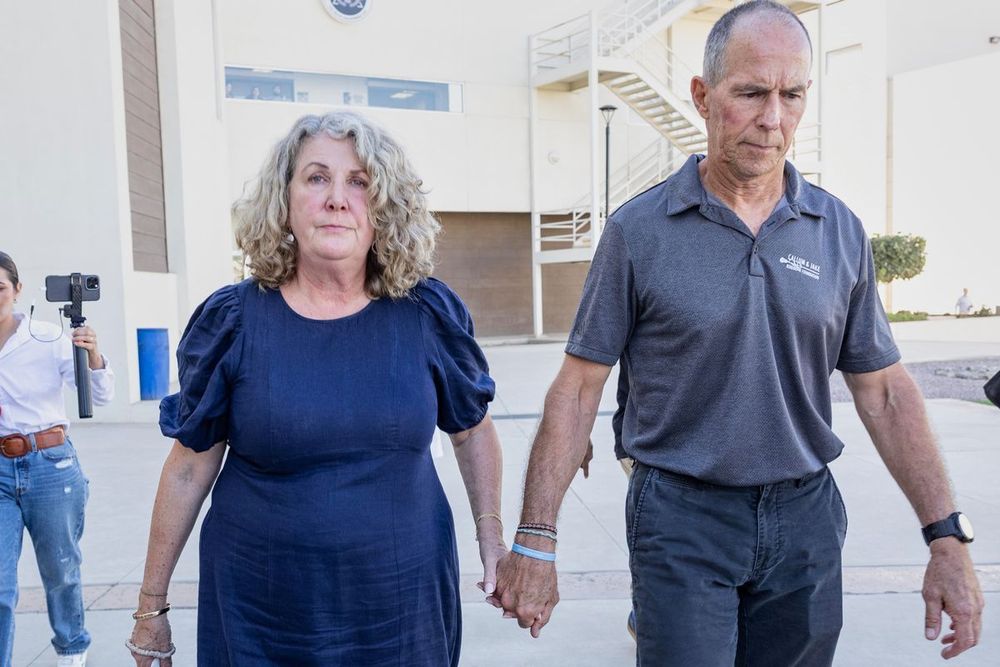
The trial for the three male defendants began in September 2025, more than two years after the killings occurred. The defendants remained in custody throughout the lengthy legal process before their conviction on October 9, 2026. Parents of the Robinson brothers traveled from Western Australia to attend both the trial and memorial events held in their sons' honor. A statue commemorating the three murdered surfers was unveiled at the site where they were killed.
Impact on Tourism and Security Concerns
The murders dealt a significant blow to Baja California's tourism industry, which received over 28 million visitors in 2024 and contributed approximately one billion dollars to the state's economy that year. Antonio Otañez, president of the Baja California surfers' association, acknowledged that while
"justice has been served,"
the killings caused a
"major drop"
in tourist visits, particularly among surfers who had long frequented the region's beaches.
The case highlighted broader security concerns in Baja California, which recorded a homicide rate of 46.5 per 100,000 people in 2024, making it one of Mexico's most violent states. The region has become a battleground between the Sinaloa Cartel and the Jalisco New Generation Cartel. In Tijuana alone, authorities reported 1,594 homicides in 2024, the highest number of any municipality in Mexico.
The convictions and sentences mark the conclusion of a legal process that began with arrests in May 2024 and proceeded through a trial that drew international attention to the risks facing foreign visitors in parts of Mexico.