Lake Chapala's wine pioneers transform Mexico's largest lake into emerging viticulture destination
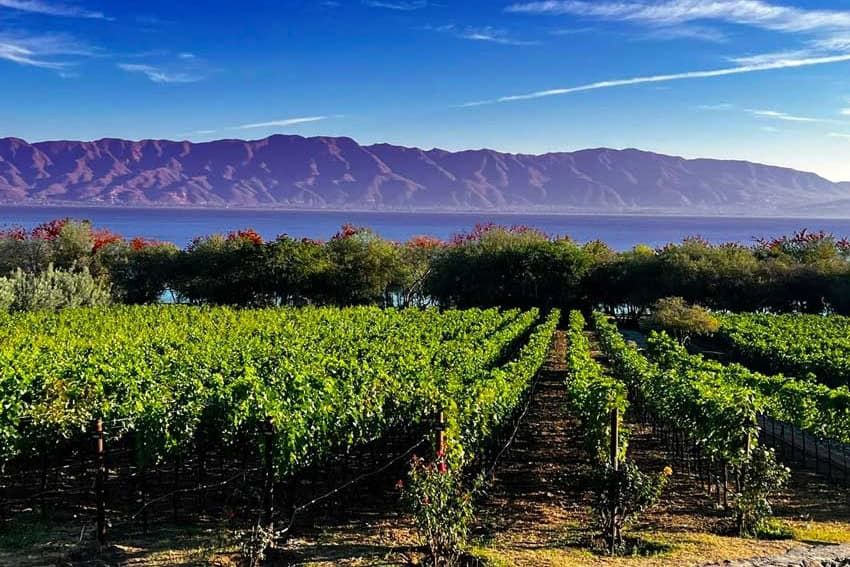
Mexico's largest freshwater lake, spanning 80 kilometers east-west at an elevation of 1,524 meters above sea level, has become an unlikely cradle for a new wine region. Lake Chapala's combination of mild climate, volcanic soil and strategic altitude has attracted seven established vineyards, with many more in development stages.
Among the most visited operations is Finca La Estramancia, a family-run boutique vineyard located four kilometers east of San Luis Soyatlán on the lake's south shore. Known for its popular tapas pairings, the estate is easily accessible by boat from the north shore and has become a destination for wine enthusiasts exploring this emerging region.
From legal career to winemaking
Owner Gerardo Torres González attributes the vineyard boom to conditions that have earned the area recognition from National Geographic and other publications as having one of the world's best climates, with year-round average temperatures of 19°C and conditions often described as eternal spring.
Torres's journey into winemaking began at age 50, when he and his wife Ana María decided to leave his successful law practice in Guadalajara and relocate to the lakeside, where they had first met and fallen in love.
Rising property prices driven by an influx of expatriates on the north shore led the couple to the south side, where they purchased a small tract covered in thorny huisache trees. After clearing the land and beginning construction on their home, a vacation to Germany would change everything.
While aboard a boat on the Rhine River, Torres awoke from a vivid dream. In it, he stood on Lake Chapala's shore, gazing up at hills completely covered in vineyards, just like the UNESCO World Heritage landscapes along Germany's Rhine Valley, where wine tourism has flourished for over two centuries.
When Torres shared his vision of transforming Chapala's hillsides into vineyard country, locals told him he was crazy. Undeterred, he acquired 100 Tempranillo vines to test the concept. The choice proved fortuitous—Tempranillo's adaptability to various temperatures and soils has made it successful throughout Mexico, particularly in northern regions.
YouTube tutorials and grape stomping
The vines flourished, producing abundant, high-quality grapes. However, Torres and Ana María faced a new challenge: neither had any winemaking experience.
Their solution was decidedly modern. They turned to YouTube for tutorials, then grabbed all their grapes, dumped them into a large pozole pot, climbed in, and began stomping. After adding sugar and covering the pot, they waited three months.
The result was a Port-style wine—sweet, fortified and surprisingly good. Fifteen years later, they still have two gallons remaining, and it continues to taste fine. The couple's affinity for Port wine, developed during visits to Oporto, Portugal, influenced their winemaking direction. Tempranillo, known as Tinta Roriz in Portugal's Douro region, is one of the main grapes used in Port production.
As production scaled, Torres partnered with the Freixenet winery in Querétaro to process future harvests professionally. Today, La Estramancia cultivates 10,000 plants across varieties including Tempranillo, Syrah, Malbec, Grenache and Pinot Meunier, with recent additions of Albariño for white wine production. The vineyard's volcanic soil, rich in organic matter and stone, contributes a distinctive mineral character to the wines.
Torres named his operation Estramancia—roughly translating to "one big, crazy idea"—a playful nod to the skeptics who doubted his vision.
Curated tastings and artisan pairings
Finca la Estramancia's wine tastings center on estate-curated grazing boards and savory montaditos—small tapas atop homemade bread. Visitors sample cold meats, sharp cheeses, a walnut medley sourced from old orchards circling the vineyard, lavender honey and grape jams.
Ana María oversees these offerings, producing 2,000 to 3,000 bottles of grape jam annually by hand. Torres credits her entirely for the operation's culinary success.
A growing wine corridor
After experiencing La Estramancia, visitors can explore Viñedos el Tejón, located three kilometers southwest. Owner Serapio Ruiz spent four decades working in California's Napa Valley before returning to his hometown of San Luis Soyatlán approximately 25 years ago. His vineyard was the first in the area, and his expertise in grapevine grafting has helped establish the region's viticultural foundation, inspiring and advising many who followed.
Other south-shore producers include Rafael Vargas of Cava Chalupo, Brenda Campos and Víctor Castañeda of Crotalvs, and Cristina Castañeda of Viñedo Ritualista, all near San Luis Soyatlán. Sommelier Sylvia Penski produces minimum-intervention wines at Cava Post Data near Tuxcueca.
While still emerging, Lake Chapala's wine scene offers a contrast to Valle de Guadalupe in Baja California, Mexico's premier wine region, which produces approximately 90% of the country's wine from over 100 established wineries. The approximately 20,000 expatriates residing in the Lake Chapala area—a number that doubles during Canadian winter months—provide a ready audience for wine tourism development.
Visitors seeking activity after wine tastings can walk 2.4 kilometers from San Luis Soyatlán to Mirador El Salto, a lookout point offering views of the town and lake, enhanced during rainy season by two small waterfalls. The lake itself was designated a Ramsar Wetland of International Importance in February 2009, recognizing its ecological significance as habitat for numerous bird and fish species.