Tijuana Innovadora's evolution from biennial showcase to year-round civic movement
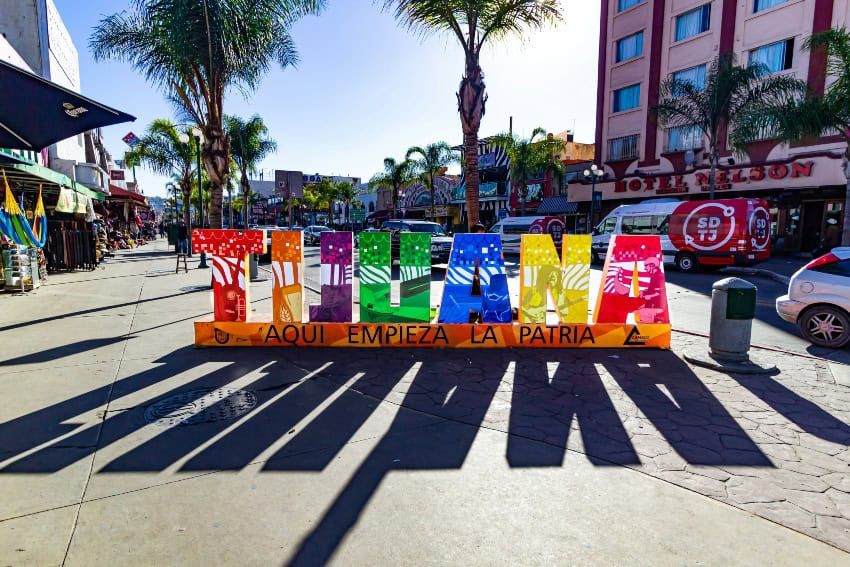
When businessman José Galicot Behar launched Tijuana Innovadora in 2010, his vision was to reshape the city's reputation—moving beyond crime headlines to spotlight Tijuana's emergence as a business hub. The inspiration came from a personal revelation: after suffering a heart attack in January 2009, Galicot discovered during his recovery in San Diego that the pacemaker saving his life had been manufactured in Tijuana.
Sixteen years later, that vision has materialized into something far more ambitious than the inaugural event at Centro Cultural Tijuana. The first edition in October 2010 ran for 15 days and attracted nearly 700,000 attendees, featuring prominent speakers including Al Gore, Wikipedia co-founder Jimmy Wales, telecommunications magnate Carlos Slim, and then-President Felipe Calderón. What began as a biennial showcase has evolved into a continuous, year-round civic movement with tangible results—so effective that at least six Mexican cities, including Culiacán, Ciudad Juárez, Irapuato and Cuernavaca, have adopted elements of the Tijuana Innovadora model.
Monitoring pollution in the Tijuana River
Contamination of the Tijuana River has long plagued communities on both sides of the border, with an estimated 35 million to 50 million gallons of polluted water flowing through the waterway daily. The toxic waste and raw sewage have significant consequences for coastal beaches and border ecosystems. Following a binational agreement signed in May 2025, the U.S. allocated 93 million dollars for infrastructure projects, including rehabilitation of the South Bay International Wastewater Treatment Plant.
Tijuana Innovadora recently joined the Río Tijuana Initiative, bringing together 24 representatives from Mexico and the United States to establish water quality baselines. The program deploys trained volunteers and students—dubbed "River Sentinels"—to collect samples at 10 points along the channel during a campaign scheduled for this month. These volunteers will measure eight water-quality parameters to identify pollution hotspots and assess contamination severity.
The Tijuana Institute of Technology, founded in 1971 as part of Mexico's national network of technology institutions and offering 16 engineering degree programs, will process samples in its Biotechnology Engineering laboratories. This academic partnership lends scientific rigor to the findings, which will feed into the Tijuana River Index—a platform designed to translate complex data and provide measurable benchmarks for tracking future improvements.
Boosting medical and dental tourism
Tijuana Innovadora has partnered with the Baja Health Cluster, a regional industry association, to promote medical and dental tourism in Baja California. The agreement, announced last month at the CODET Vision Institute, focuses on showcasing the state's high-quality medical services and highlighting regional doctors, clinics, hospitals and healthcare professionals.
The promotional push comes at a critical juncture. Baja California attracted 3.5 million foreign visitors seeking medical or dental care in 2024, generating over 2 billion dollars in revenue and ranking second only to Sonora among Mexican states for medical tourism. However, the Medical Health Cluster reported a 20 to 40 percent decline in surgery patients during the first three months of 2025, underscoring the need for enhanced promotional strategies.
Tijuana and Baja California stand to benefit substantially from projected market growth. Mexico's dental tourism sector alone is expected to quadruple from 527 million dollars in 2025 to 2.2 billion dollars by 2033, making strategic promotion essential for capturing this expanding market.
Fiestas de la Vendimia 2026
The economic significance of Baja California's monthlong wine harvest festival is substantial. The 36th annual Fiestas de la Vendimia, running from August 5-30, 2026, expects to draw over 90,000 visitors with an estimated economic impact exceeding 600 million pesos. Provino, the local non-profit winegrowers association, has organized 35 events across 25 days, featuring over 80 wineries.
The festival takes place primarily in Valle de Guadalupe, with additional events in Ensenada and Tijuana. Programming includes tastings, pairing dinners, concerts and experiences like the traditional Concurso de Paellas cooking contest. Valle de Guadalupe accounts for approximately 80 to 90 percent of Mexico's wine production, with the region now home to 150 to 250 wineries—a dramatic expansion from just 10 wineries in 1997.
The celebration occurs against the backdrop of challenging conditions. Wine production in Valle de Guadalupe fell by up to 35 percent in 2025 due to severe drought and lack of rainfall, according to local vintners association leadership, adding significance to this year's harvest festivities.
Feria Nacional de Tijuana 2026
Regional celebrations continue with the Feria Nacional de Tijuana, succeeding the previous Feria de las Californias. The event runs from August 28 to September 27 in Parque Morelos, offering rides, regional food, cultural programming and concerts featuring prominent Mexican performers as part of Independence Day celebrations.
General admission typically includes access to musical performances at the outdoor Teatro del Pueblo, while premium tickets are required for acts such as acclaimed norteño band Los Tucanes de Tijuana, performing Friday, September 4 at 8 p.m. at the park's Palenque concert arena.
Opera en la Calle wraps 23rd edition
While major summer events lie ahead, one longtime favorite has completed its 2026 run. Opera en la Calle, a Tijuana summer tradition since 2004, held its 23rd annual free event on Saturday, July 18. The initiative was created to make opera and classical music accessible to the general public through performances by talented artists—a goal achieved over two decades, with an estimated quarter-million people attending during the event's first 20 years.
This year's production featured approximately 300 artists and 100 support staff delivering more than 10 hours of programming on Calle 11, between Avenida Revolución and Avenida Madero, entertaining roughly 8,700 attendees.
Together with Tijuana Innovadora, the Feria Nacional de Tijuana and the Fiestas de la Vendimia, these events define the special character of summertime in Baja California.