A living culture in northern Veracruz
A group of performers dressed in vibrant traditional garments ascends a 100-foot pole. Four dive headfirst into the air, spinning in a human cyclone suspended only by ropes tied to their feet, while a fifth sits atop the structure, performing a ceremonial dance with flute and drum.
This UNESCO-recognized tradition, the "Danza de los Voladores" or "Dance of the Flyers," traces its roots to Tajín, an archaeological site that served as the Totonac Mesoamerican capital from A.D. 800. While the Totonac did not invent the dance — credit likely belongs to the Nahua of Central Mexico — they have preserved it, making the practice inseparable from their cultural identity.
These aerial performers are native to northern Veracruz, where the Pueblo Mágico of Papantla sits roughly four hours northeast of Mexico City. The voladores have become cultural ambassadors for the region, performing their millennia-old routine in Mexico City's Bosque de Chapultepec and at Xcaret Park in Playa del Carmen. The Totonac people, numbering approximately 260,000 to 290,000 speakers according to the 2020 census across Veracruz and Puebla states, maintain their practices and language through community programs like Papantla's Escuela de Niños Voladores.
Yet as impressive as the flying dancers are, the region has given the world something even more fundamental: vanilla. Papantla is the global cradle of this prized spice.
The rise and decline of a vanilla empire
Between 1870 and 1910, this modest pueblo of 55,452 inhabitants became the world's vanilla export leader, earning the nickname "the city that perfumed the world." The sweet, refreshing scent of vanilla permeated the steep, labyrinthine roads winding through the tropical forest.
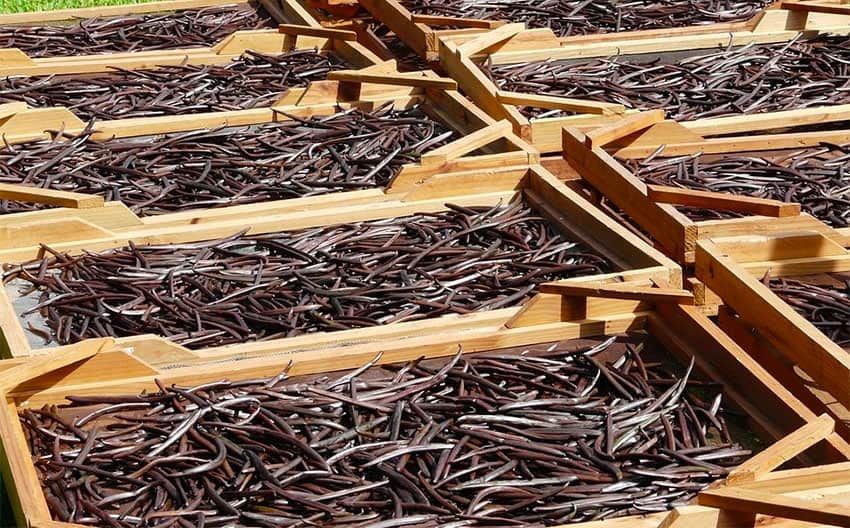
Vanilla cultivation began with the Totonac people, who were the first known society to gather the fruit of orchid plants in the region. For more than 200 years, Mexico remained the world's sole vanilla supplier. That monopoly ended in the mid-19th century when Europeans discovered that vanilla flowers could be fertilized manually, enabling commercial production in other tropical regions.
Today, the picture looks starkly different. Mexico contributes less than 1% of global vanilla production, producing approximately 500 to 700 tons annually, while Madagascar controls 75-85% of the world market. Veracruz accounts for 76.08% of Mexico's vanilla output, with production concentrated in the Totonacapan Zone municipalities of Papantla, Cazones de Herrera, Gutiérrez Zamora, Tecolutla, Tuxpan and Tihuatlán.
The vanilla economy faces serious challenges. Approximately 1,500 farmers work in the Papantla region, many confronting theft and violence from organized criminal groups. Academic researchers have documented how deforestation, soil erosion, shifting weather patterns and rural marginalization have further damaged productivity. Market forces compound these problems: vanilla prices have plummeted from their 2018 peak of $500-800 per kilogram to current levels of $50-200 per kilogram, depending on grade and origin.
Preserving vanilla's heritage
Despite these obstacles, Papantla is working to restore vanilla's potential. The spice, known locally as "xanat" or "xanath," holds protected appellation of origin status in Mexico, similar to tequila and mezcal, legally safeguarding its geographical designation.
Tourism offers one avenue for revival. Visitors can tour nearby plantations and explore family-owned shops selling vanilla-infused products: ground coffee mixed with vanilla extract, vanilla cigars, sodas, horchata, bottled concentrate, scented candles, perfumes and liqueurs. Each shop explains the benefits and uses — vanilla's aroma is considered effective aromatherapy for stress, while consuming it is believed to offer digestive and anti-aging properties.
For deeper immersion, excursions like "The Vanilla Route" span two days of history, including guided visits to the Xanath ecological park, a 54-acre plot preserved for sustainable vanilla cultivation, and family-owned farms demonstrating artisanal production methods.
Discovering Tajín's ancient grandeur
Any visit should include El Tajín, designated a UNESCO World Heritage Site in 1992. Located approximately 10 kilometers from Papantla, the archaeological complex features the famous Pyramid of the Niches, with 365 niches representing the days of the year. The site contains 17 ballcourts — the largest number found in any single Mesoamerican archaeological site — and attracted 386,406 visitors in 2017.
A culinary journey through Totonac flavors
The town's main plaza buzzes at all hours with street vendors selling regional treats like homemade vanilla ice cream and atole morado, an iced purple corn beverage perfect for jungle humidity.
Saberes Ancestrales de la Vainilla, a family business with two locations, offers a vanilla museum and sweeping town vistas. The restaurant name translates to "Ancestral Knowledge of Vanilla," embodying its mission to preserve the spice's culinary essence. A café de olla — traditional coffee brewed in clay pots and sweetened with natural vanilla — balances dark bitterness with rich natural sweetness.
Regional dishes include bocoles, thick tortillas made from bean or chicharrón masa stuffed with protein, and espolvoreadas de pipián, lard-rubbed tortilla stacks topped with ground pumpkin seed powder. The simple combination of corn, pumpkin and oil represents Mexico's indigenous flavors without unnecessary elaboration.
At the restaurant Nakú — named for the Totonac word for "heart" — diners can sample hard-to-find dishes like zacahuil, served Sundays only, and pulaklh, regional tamale varieties featuring sesame seeds and acoyo (hoja santa). Other offerings include tachula xa talhtsi, buttery beans coated with crumbled pumpkin seeds; liwa xalak kakwin, rabbit in spicy chilpaya salsa; and pollo en salsa de vainilla y pulque, chicken bathed in chilpaya, pulque and vanilla sauce, served with steamed vegetables and espolvoreadas de pipián.
Art and culture beyond vanilla
Visitors should not overlook the murals and sculptures of Teodoro Cano García, a Papanteco artist mentored by Diego Rivera. His massive mural in the town square depicts the historical evolution of the Totonac people, complemented by a monument honoring the voladores de Papantla. The Teodoro Cano Museum offers a rare contemporary art space in the pueblo, housing his paintings alongside Totonac artifacts, with free public admission.
Papantla represents a historically significant yet often overlooked part of Veracruz and Mexico's rich heritage. It remains a culturally informative, intensely flavorful destination that offers exceptional value for travelers seeking authentic experiences beyond the typical tourist routes.