Murals across all 32 states
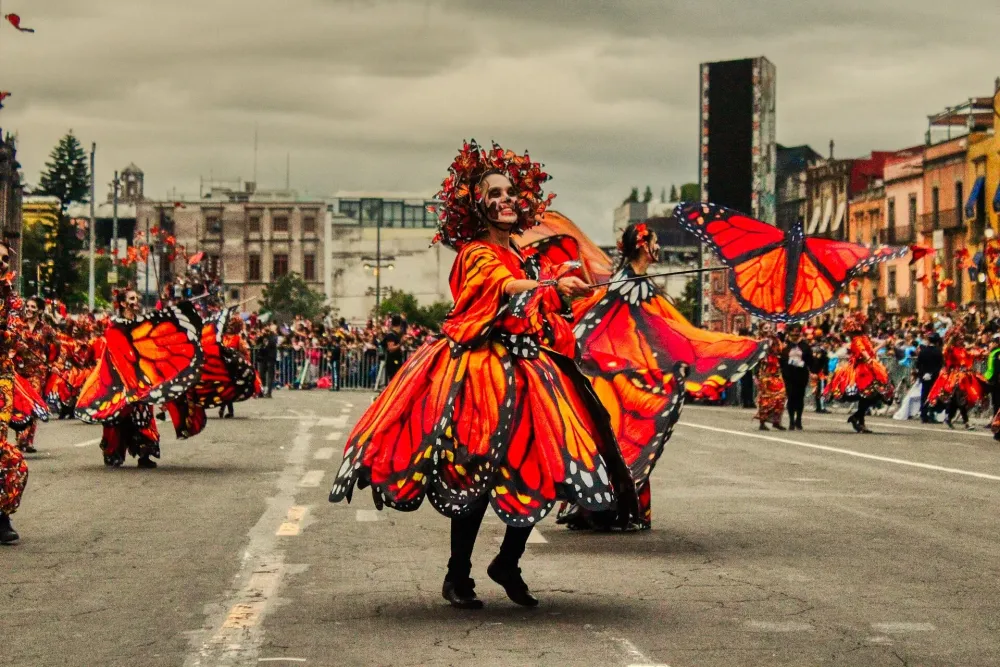
Mexico's federal youth institute, the Instituto Mexicano de la Juventud (IMJUVE), is leading the effort in schools, public squares and community spaces. The latest figures list participants ages 12 to 29 in 574 municipalities, with 1,545 murals registered across the country's 32 states.
Organizers planned a main cultural festival in each state, with participants scheduled to add their last brushstrokes simultaneously at the 32 gatherings. A nationwide timetable and venue list have not been published.
Organizers and state youth institutes describe the event as a Guinness World Record attempt. The federal government's release makes clear that the "world's largest" designation expresses the event's name and ambition, not a certified achievement. IMJUVE has not released a verified final count; final participation, the counting method and record certification remain unknown.
Youth participation and further training
The mural drive belongs to Jóvenes Transformando México, or "Youth Transforming Mexico." According to Enfoque Monterrey, President Claudia Sheinbaum Pardo's government promotes the strategy as a way to strengthen youth participation and community life through art and culture. Organizers say the mural project also aims to support young artists and reclaim public spaces.
The federal ministries of the Interior, Welfare and Public Education are participating alongside paint manufacturer Comex. CIRCA 24 will document the effort through a film and a national photo gallery.
Young people taking part can apply for a 2027 muralism diploma course offered in person or online, but participation does not guarantee a scholarship. Applicants must meet selection criteria. IMJUVE has yet to announce the number of scholarships, their duration, the costs they would cover or application dates.
A monumental Catrina in the capital
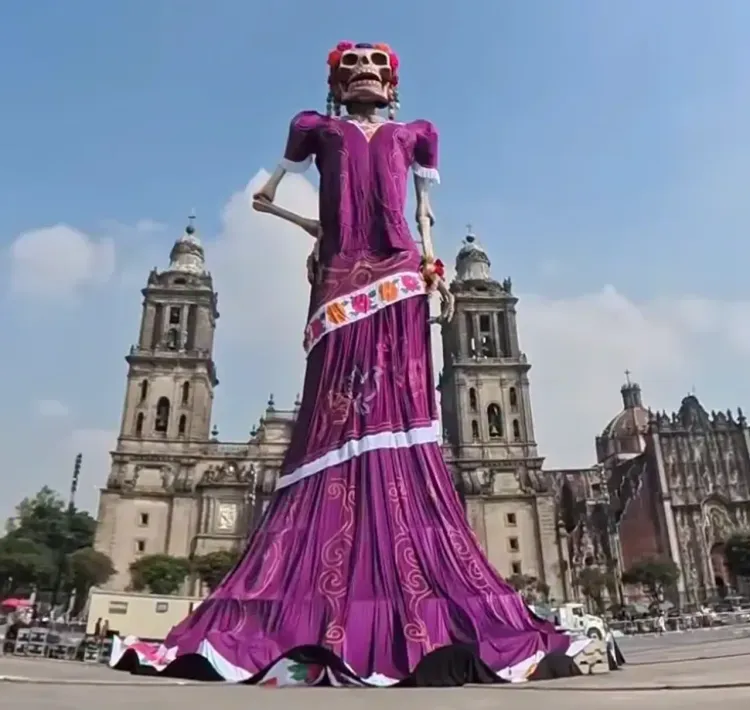
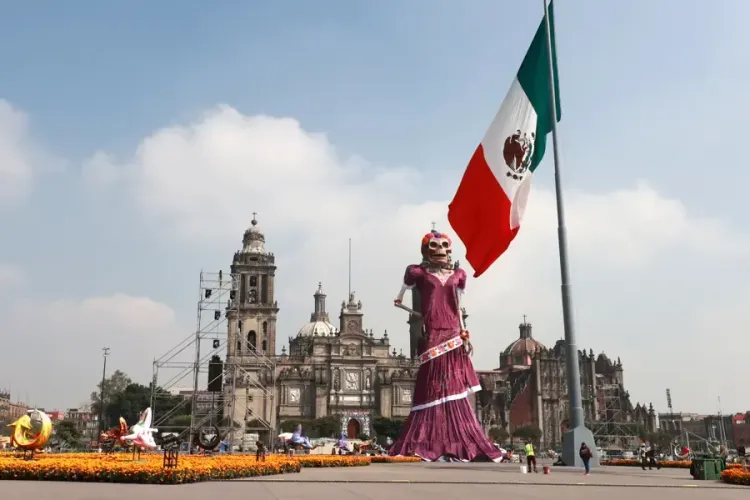
Mexico City has a separate program for the November 1-2 holiday. Culture Secretary Ana Francis López Bayghen Patiño announced a 32-meter Catrina, the holiday's elegantly dressed skeleton figure, for the monumental offering in the Zócalo. The display opens October 29 and remains open through Monday, November 2.
El Heraldo de México reports that more than 140 people worked on the figure, built by Taller de Arte Xibalbá in coordination with the city's culture secretariat. The structure uses steel and fiberglass sculptural elements, textiles and LED lighting, and weighs more than 100 metric tons. Its dress measures more than 27 meters and required 3,500 linear meters of fabric.
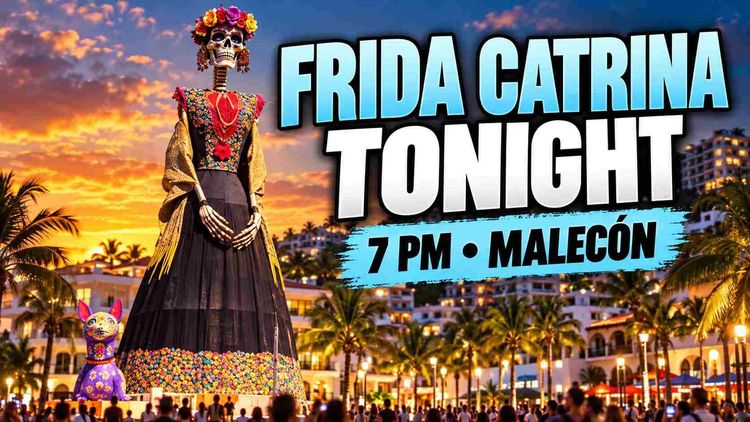
The city government hopes the Catrina will surpass the 28-meter Guinness record held by a figure in Puerto Vallarta, Jalisco, according to Infobae. That is a separate record goal from the national mural effort.
The Zócalo offering also includes roughly 100,000 cempasúchil, or marigold, plants, sawdust carpets, and ajolote and alebrije sculptures decorated by artists and community collectives.
The floral display comes in a year of increased marigold production in the capital. Head of Government Clara Brugada Molina said growers on Mexico City's conservation land produced 9,924,300 plants in 2026, up 55% from about 6.5 million in 2025. The number of producers increased from 460 to 596.
Saturday's parade route and start time
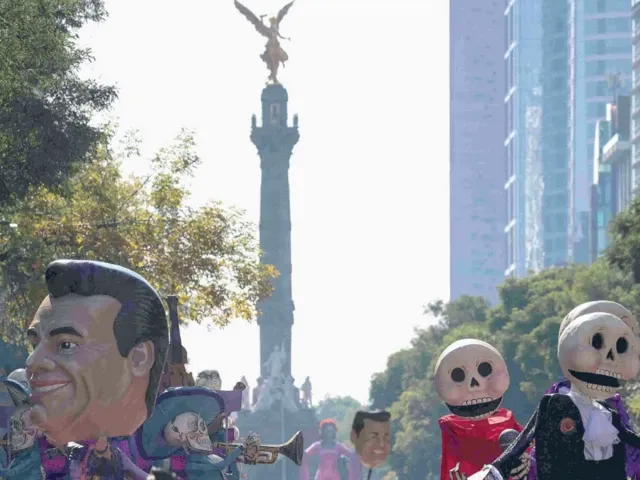
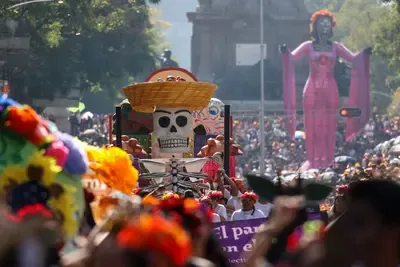
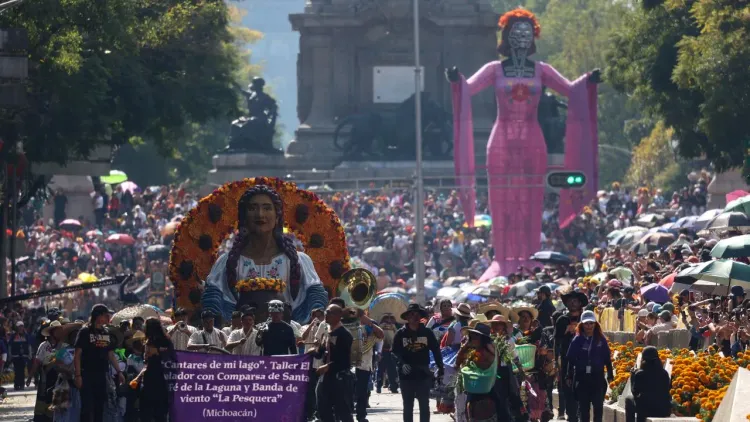
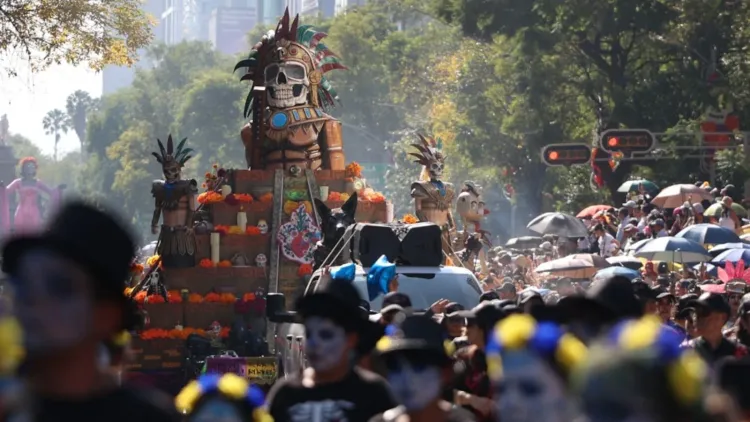
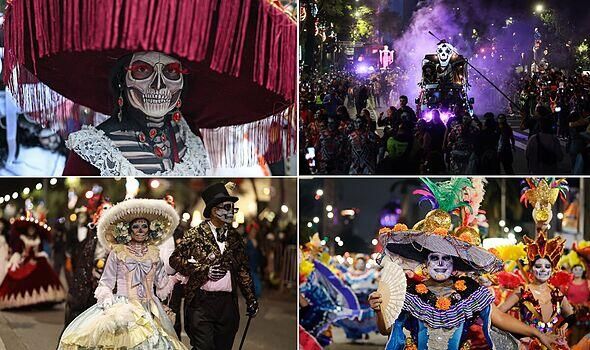
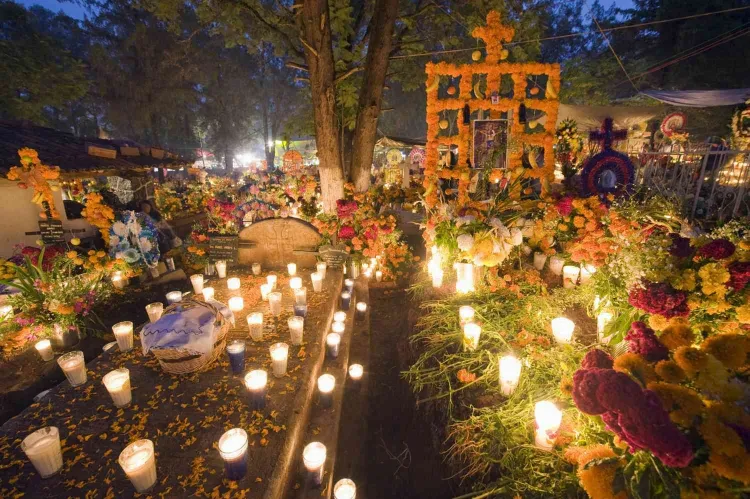
Day of the Dead commemorates the dead through traditions including altars, marigolds and painted skulls, and attracts millions of visitors to Mexico annually. This year's Gran Desfile de Día de Muertos in the capital is scheduled for Saturday, October 31, with 12 floats and more than 4,000 participants.
The parade starts at 2 p.m. local time, or 4 p.m. Eastern, while U.S. clocks are still on daylight saving time. It will travel from the Diana the Huntress fountain, the Glorieta de la Diana Cazadora on Reforma Avenue, to the Zócalo.
The route uses Reforma, Juárez, Eje Central and 5 de Mayo avenues, with downtown road closures expected Saturday. Updates on the mural activities are available through IMJUVE and local government announcements.