A procession on a growing scale
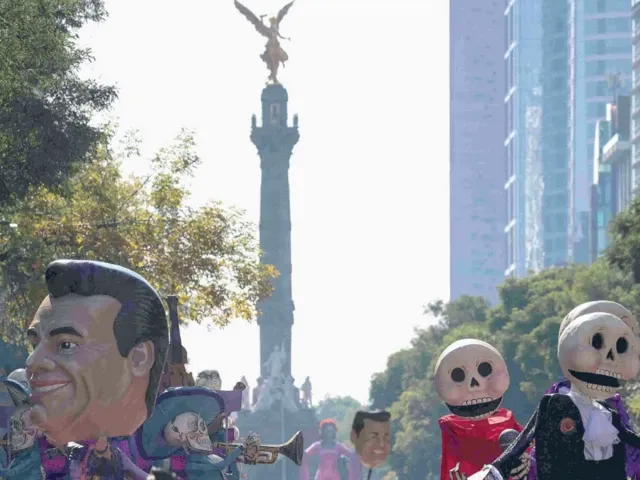
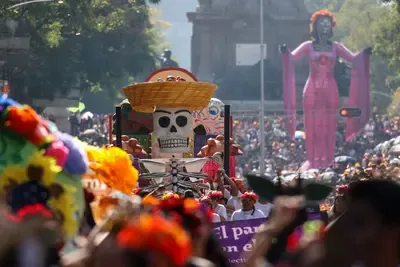
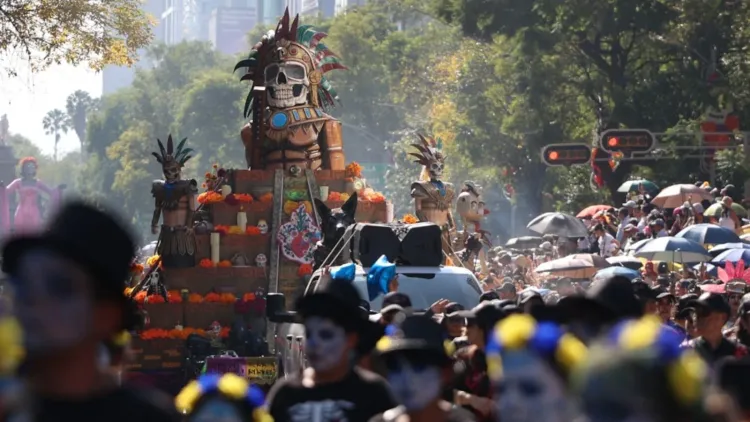
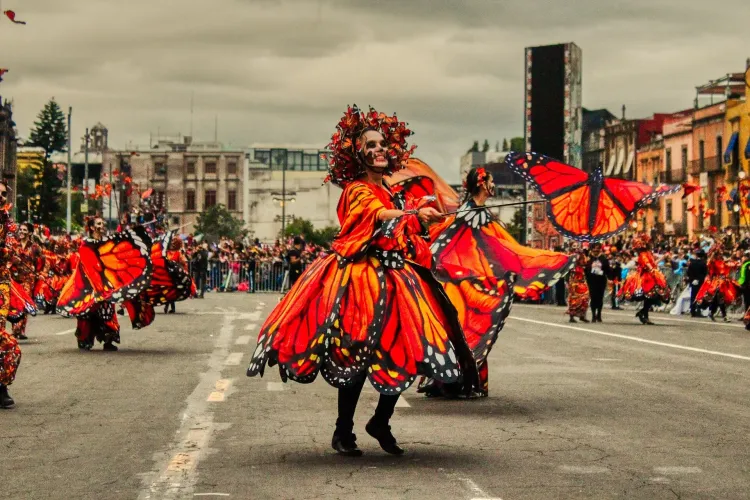
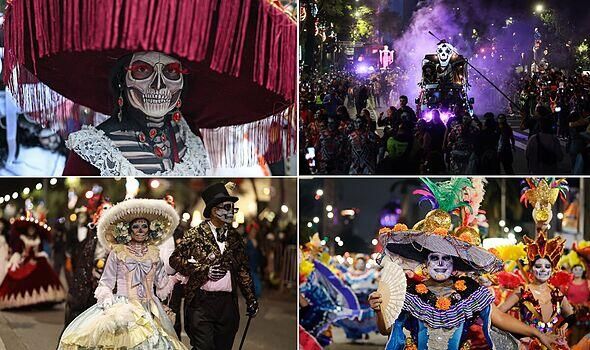
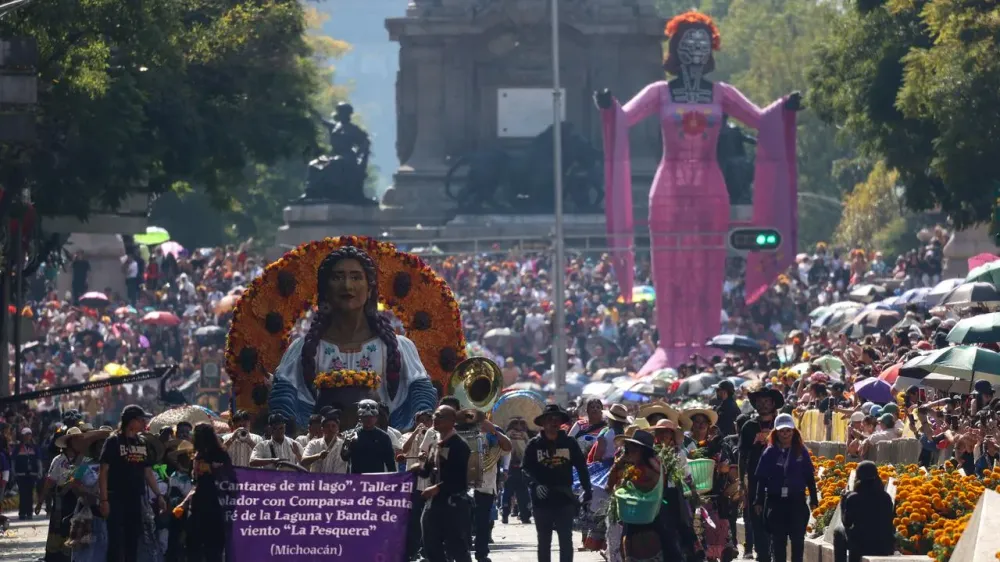
Musicians and acrobats joined performers wearing feathered headdresses as the procession moved through downtown. It set off at 2 p.m. local time from the Diana Cazadora roundabout on Paseo de la Reforma and finished in the Zócalo, the capital's main square.
City officials had anticipated more than half a million visitors from Mexico and overseas, with the parade sharing a weekend with the city's Formula One Grand Prix. The government's subsequent account put attendance at about 1.6 million and participation at roughly 4,000 people, with nearly 50 comparsas, or performance groups, along with bands, monumental balloons and allegorical floats.
The tributes included singer Juan Gabriel (1950–2016) and filmmaker Emilio "El Indio" Fernández (1904–1986). A float commemorated the 40th anniversary of Fernández's death. Organizers also dedicated the event to writers Nellie Campobello and Juan Rulfo and the Maya "Red Queen" of Palenque.
From a Bond scene to a city tradition
The parade owes much of its origin to "Spectre," the 2015 James Bond film whose opening sequence follows the British spy through a downtown Mexico City crowd dressed as the dead. When the city staged its first parade in 2016, some of the giant figures from the film took part.
Miguel Angel Mancera, Mexico City's mayor from 2012 to 2018, organized that inaugural event. He recalled repeated questions about when a parade would happen and described organizing it as an adventure. Its popularity grew rapidly, he said, and he expressed pride in the large-scale event it has become.
The attendance figures trace that growth, though the earliest number was a forecast rather than a count. According to Wikipedia's entry on the parade, organizers expected 135,000 visitors in 2016; about 1.5 million attended in 2025. The pandemic forced the cancellation of the 2020 edition, and the procession returned the next year with preventive measures.
The Zócalo's record-setting Catrina
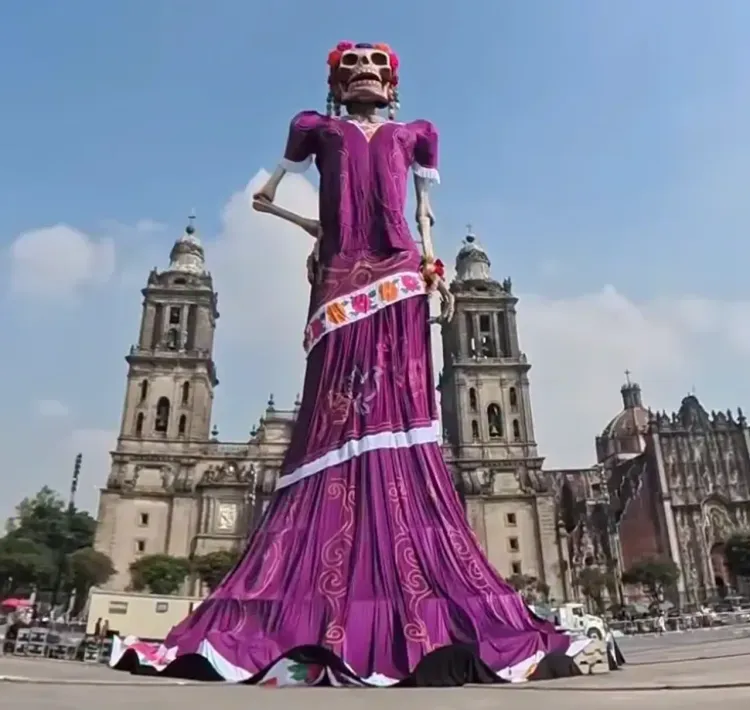
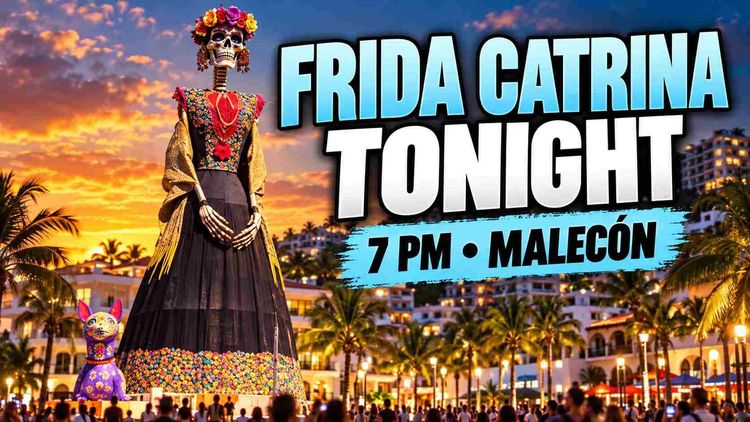
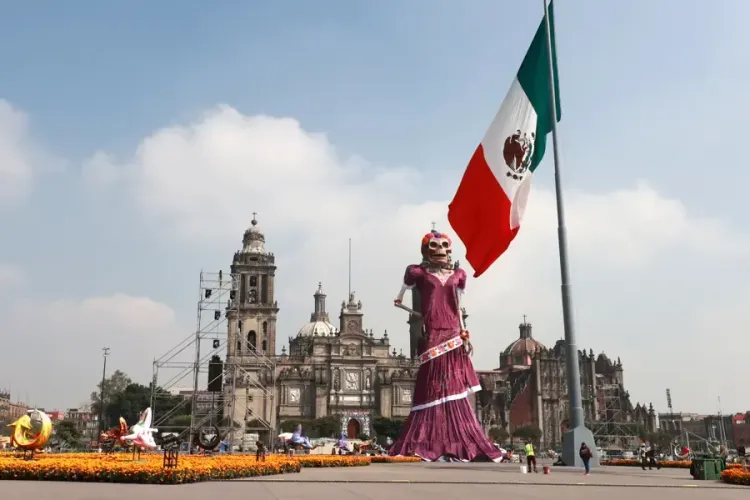
An elegantly dressed female skeleton towers over the Zócalo festivities. The roughly 11-story Catrina, a symbol of the holiday, measures 33.411 meters, or about 110 feet. Guinness World Records certified it as the world's tallest Catrina, exceeding the 28.15-meter figure erected on Puerto Vallarta's waterfront in 2023.
The record was announced on October 29, 2026, when the city inaugurated its Monumental Ofrenda. Created by the Xibalbá art workshop and its director, Carlos Camilo Báez, the Catrina is the centerpiece of that altar installation, which includes about 70,000 marigolds and 66 axolotl sculptures decorated by artists. The display was scheduled to stay open through November 3.
The installation and lighting draw on the work of Mexican engraver José Guadalupe Posada. His Calavera Garbancera inspired La Catrina, whose familiar full-length figure and elegant dress took shape in the late 1940s through Diego Rivera's mural "Dream of a Sunday Afternoon in the Alameda Central."
Marigolds also feature across the wider celebrations. Mexico City officials reported that growers produced 10 million cempasúchil, or marigold, plants for the 2026 season, compared with 6.5 million in 2025, an increase of 53.8%.
Remembrance amid the crowds
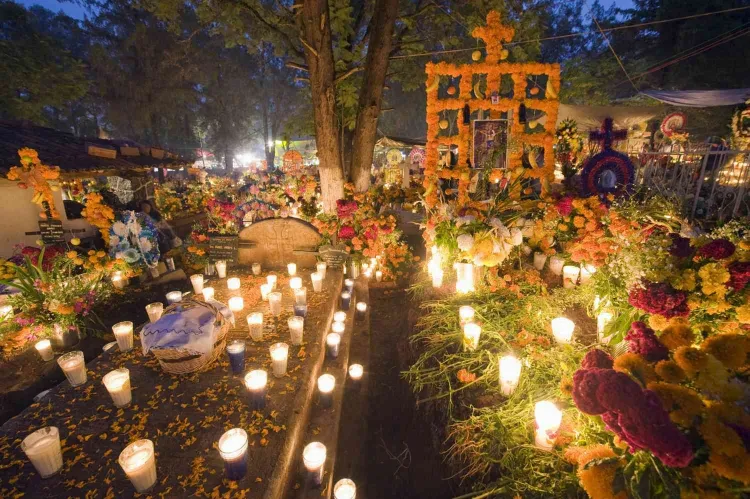
The public procession is a recent addition to a much older observance. Day of the Dead combines pre-Columbian traditions with the Christian All Saints' Day to honor the deceased. Families have traditionally visited graves and prepared altars holding food and possessions associated with their loved ones.
For Ana Suares, a 32-year-old Portuguese tourist, the parade was fascinating: she described cheerful people in costumes carrying flowers in memory of those who had died but remained close to them. Isabel Halsey, 37, visiting from the United States, said she loved the mix of nationalities and personalities, describing a colorful, dramatic scene full of smells.
The holiday's economic reach extends well beyond the capital. Business chamber Concanaco Servytur projected about 53 billion pesos, roughly $2.8 billion, in Day of the Dead activity across Mexico from October 25 through November 2, 2026. The estimate, 7% above 2025, includes spending on flowers, bread, candles, food, hotels, transportation and travel.
The crowds also raise concerns about space for private mourning. Roberto Montalvo, an academic at the Iberoamerican University, said a once more intimate celebration had become a mass event, with tourists filling some cemeteries and competing with families for room. He posed the question of whether visitors should adapt to the ritual or the ritual should change to accommodate them.