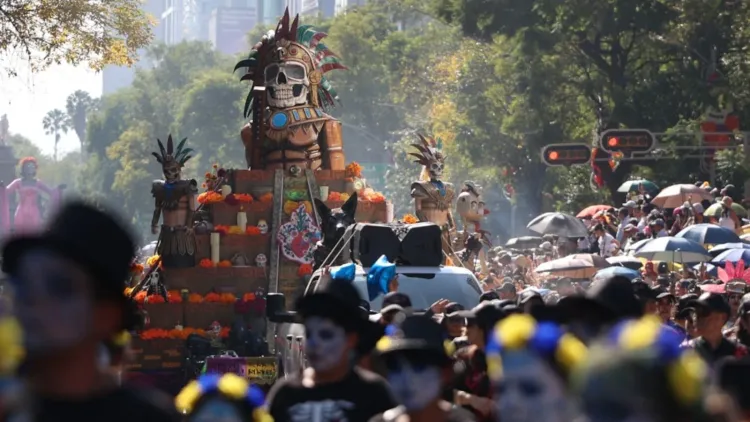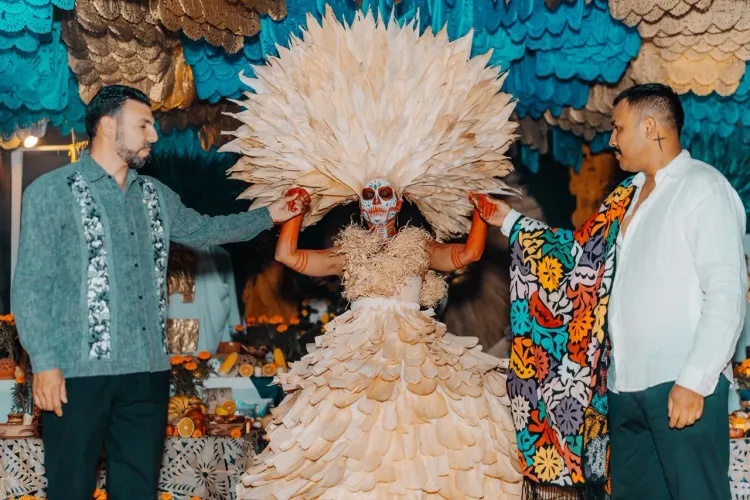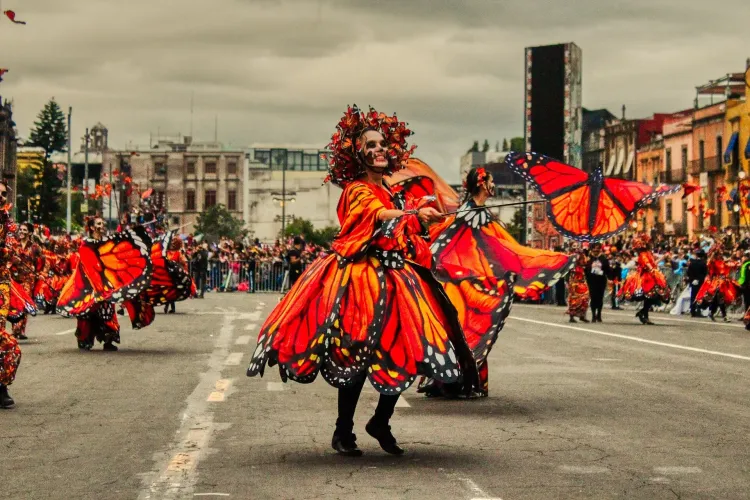
A procession through the capital
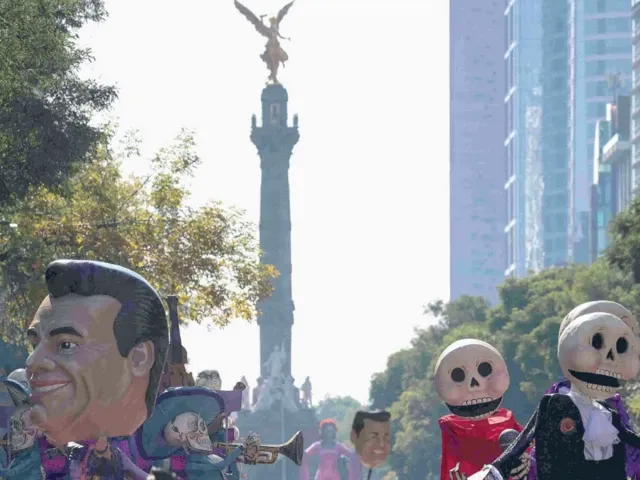
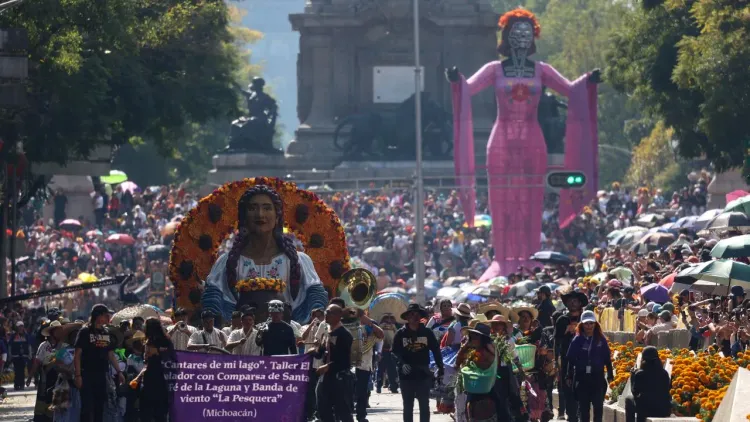
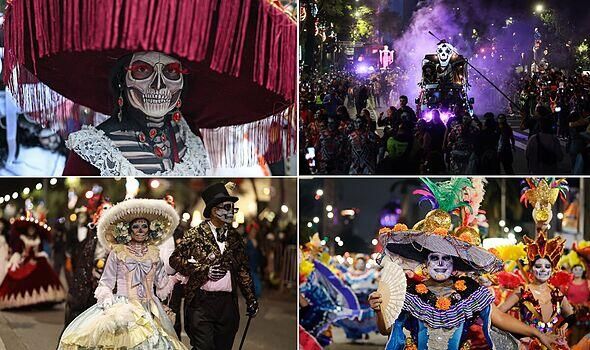
Performers wearing masks and feathered headdresses joined musicians and acrobats along the route. City officials had expected more than half a million spectators from Mexico and abroad during a weekend that also brought the Formula One Grand Prix to the capital.
This year's procession traveled along Paseo de la Reforma from the Diana Cazadora roundabout to the Zócalo, according to The Rio Times. The inaugural parade in 2016 also ended in the main square, but began at the Angel of Independence.
Portuguese visitor Ana Suares, 32, described the parade as fascinating. "People happy, the costumes, the flowers. It is quite wild," she said. "People coming together to remember those who are no longer here but are in our hearts."
Isabel Halsey, 37, from the United States, said: "It is colourful, smelly, dramatic, full of people of different nationalities and personalities. I love it!"
How a movie scene became an annual event
The parade is much younger than the centuries-old observance it celebrates. Its inspiration came from the opening of the 2015 film Spectre, in which Bond moves through a downtown Mexico City crowd dressed as the dead.
Directed by Sam Mendes and starring Daniel Craig, the sequence was shot in the Historic Center in March 2015. More than 1,500 extras took part, alongside makeup artists, costumers and set artists, according to adn40.
Miguel Angel Mancera, Mexico City's mayor from 2012 to 2018, organized the first parade after the film prompted public interest in such an event. "Everyone started asking me, 'What about the parade? When's the parade?'" he said. "It was an adventure." Some giant figures from the movie were used in that first procession.
The first official Gran Desfile de Día de Muertos took place on October 29, 2016. An agreement published in the Gaceta Oficial on November 10 that year made it part of the city's annual program, adn40 reported.
That official event was not the city's first Catrina procession. A separate, citizen-led Mega Procesión de Catrinas had begun on October 26, 2014, founded by Jessy Esquivias with a group of makeup artists and artists.
Reflecting on the official parade's popularity, Mancera said: "It's a very, very big thing now." He added: "It's something I'm really proud of."
A record-setting figure in the Zócalo
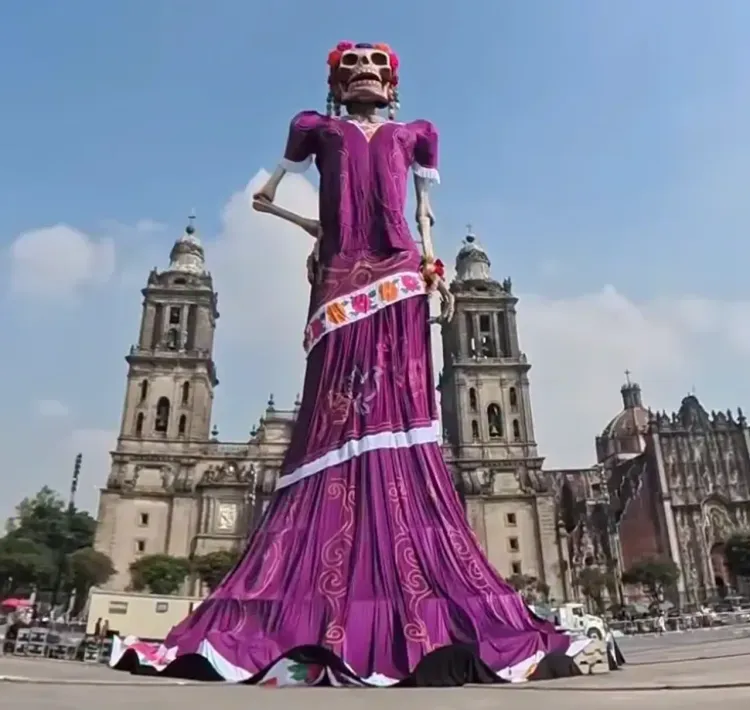
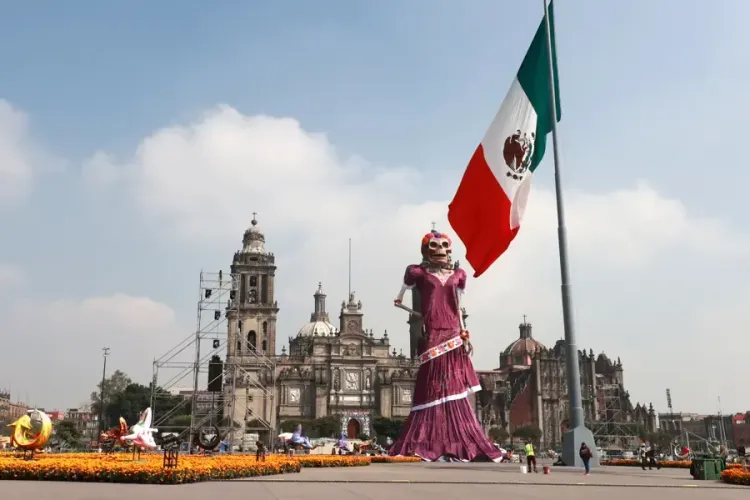
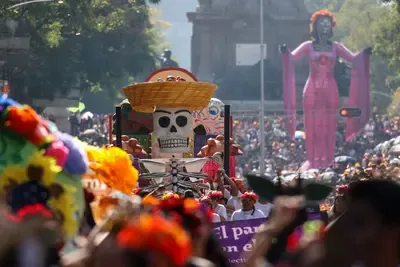
At the parade's destination stands a Catrina, the elegantly dressed female skeleton, roughly as tall as an 11-story building. The 33.4-meter figure, nearly 110 feet high, was recognized by Guinness World Records as the world's tallest papier-mâché sculpture, Mexico News Daily reported.
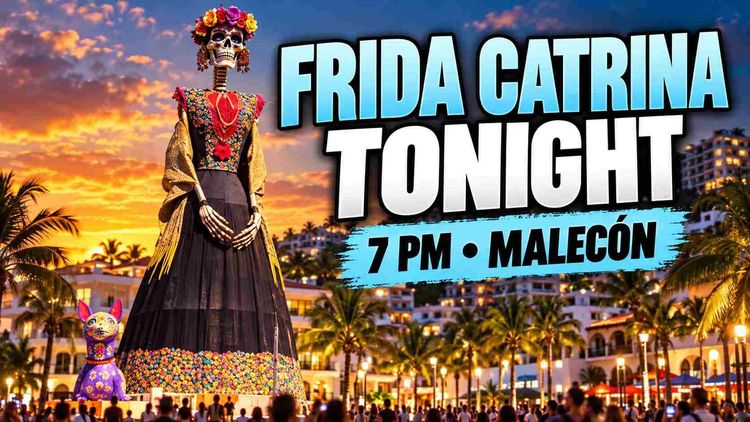
The sculpture overtook a 28.15-meter Catrina erected in Puerto Vallarta in 2023. Created by the Xibalbá art workshop and its director, Carlos Camilo Báez, the Zócalo figure gave Mexico City its fifth Guinness World Record of 2026.
The parade and sculpture are part of a wider holiday program. The city government announced more than 5,000 free Day of the Dead activities in all 16 boroughs, scheduled broadly from October 29 through November 2, 2026, according to The Rio Times.
Nationally, the business chamber Concanaco Servytur estimated that Day of the Dead activity from October 25 through November 2 would generate 53 billion pesos, about $2.8 billion, in 2026. That forecast was 7% above 2025.
Family remembrance amid the crowds
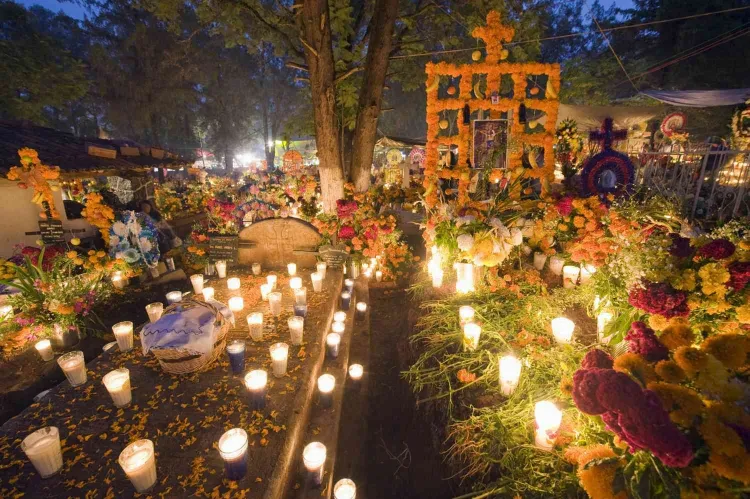
Day of the Dead combines pre-Columbian traditions with the Christian observance of All Saints' Day. Its longstanding focus is family remembrance: relatives tend graves and prepare altars with foods and possessions associated with those who have died.
Roberto Montalvo, an academic at the Iberoamerican University, said the once more intimate celebration had grown into a mass event. At some cemeteries, tourist crowds now compete with families for space.
"Do we adapt the visit to the ritual, or does the ritual adapt to the visitor?" Montalvo asked.