Nine months of planning
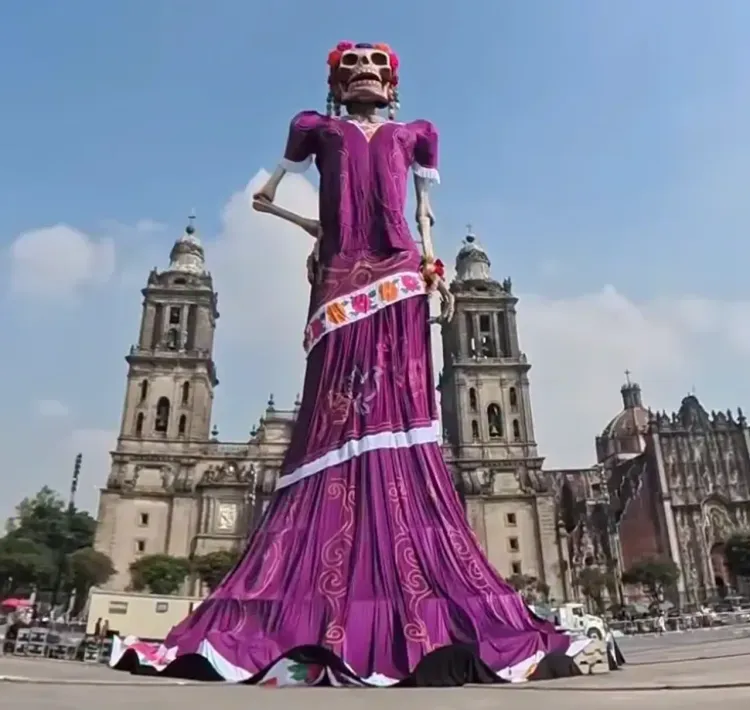
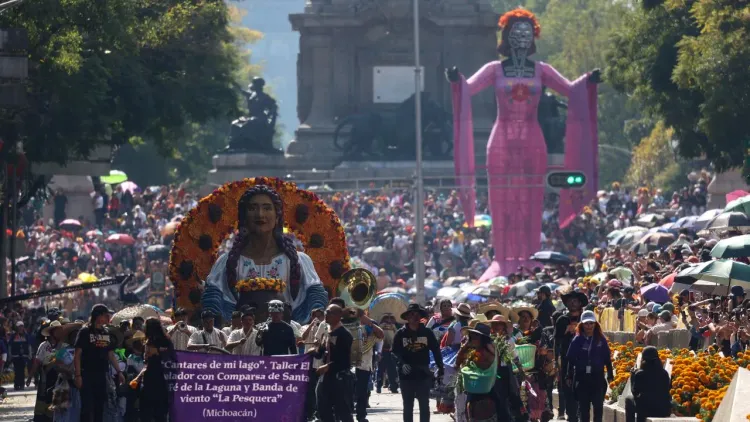
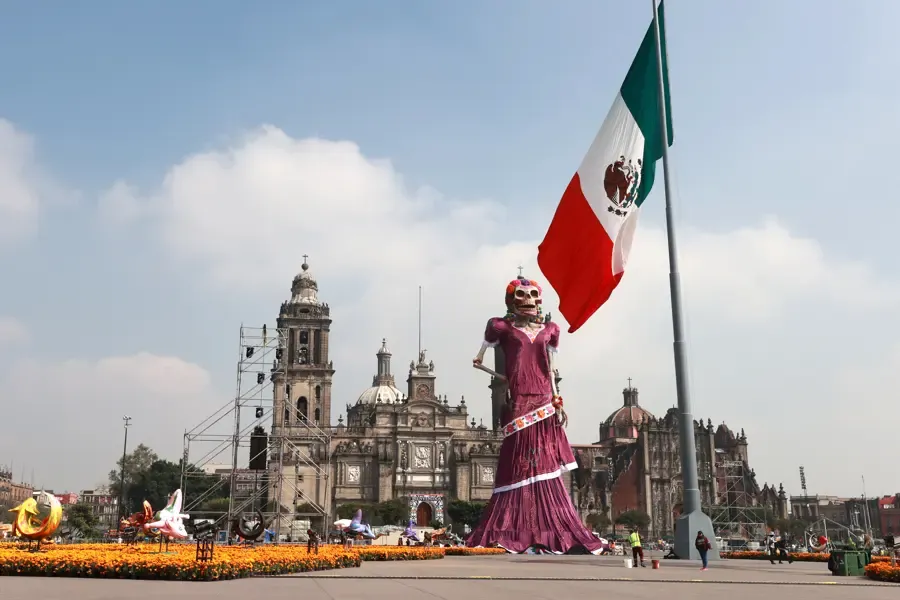
The Xibalbá art workshop, led by Carlos Camilo Báez, built the giant figure. La Razón de México reports that about nine months of planning preceded the weeklong installation, with roughly 180 people involved: artists, engineers, architects, blacksmiths, painters and cartoneros, or papier-mâché artisans. Its purple dress extends more than 27 meters, according to Euronews.
At the offering's inauguration, Alfredo Arista, Guinness World Records' adjudicator and official representative for Latin America, verified that the Catrina satisfied the record requirements. It surpassed the 28.15-meter figure that earned Puerto Vallarta, Jalisco, the title in November 2023.
Mexico News Daily identifies the Catrina as Mexico City's fifth Guinness World Record of 2026. The others were a 750-square-meter holographic mural by Federico Kampf at the Auditorio Metro station; a continuous line of sandwiches assembled at July's Torta Fair in Venustiano Carranza; a human wave outside a stadium on Paseo de la Reforma in June; and a soccer lesson in the Zócalo in March. Each was recognized as the world's largest in its category.
The satire behind the skeleton
The installation honors La Catrina Garbancera, a creation of Mexican engraver, illustrator and caricaturist José Guadalupe Posada, who lived from 1852 to 1913. Decades later, Diego Rivera helped make the character widely known through his mural Dream of a Sunday Afternoon in the Central Alameda.
The elegantly dressed female skeleton satirizes social hypocrisy while expressing the idea that wealth and rank offer no exemption from death. Once a figure of mockery, the Catrina also became an affectionate emblem of Mexican culture, appearing in folk art, fashion, costumes, sugar skulls and offerings.
Mayor Clara Brugada emphasized that social message at the unveiling, describing the figure as a rebuke to vanity, classism and false appearances. "From the heart of Mexico, the Catrina mocks privilege and reminds us that no one should be above anyone else," she said.
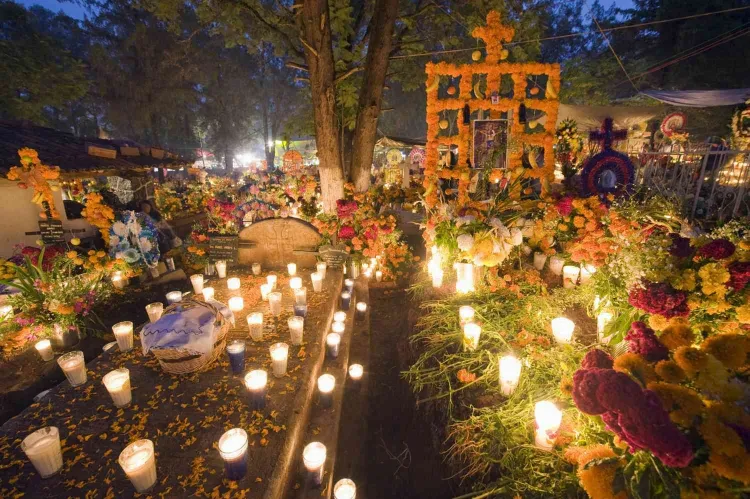
The wider holiday centers on remembrance. On November 1 and 2, families prepare altars, light candles and symbolically welcome deceased loved ones, following a belief that death marks another stage of existence rather than an end. Feasting and decoration give mourning a festive expression.
Home altars bring together pre-Hispanic beliefs and Catholic traditions. Their objects have distinct roles: a white cloth awaits the deceased, candles illuminate the return journey, water relieves thirst and yellow cempasúchil flowers mark the way. Brugada described the holiday's acts of remembrance as "a loving rebellion against forgetting."
Inside the Zócalo offering
Around the Catrina, the Monumental Offering incorporates about 70,000 cempasúchil, or marigold, flowers and 66 axolotl sculptures made by artists and artisans, according to La Razón de México and Mexico News Daily.
The offering also includes a tribute to Cuauhtémoc Cárdenas, the three-time Mexican presidential candidate who died Wednesday, Oct. 28, 2026. Mexico News Daily reported that Brugada acknowledged him during the inauguration.
Brugada switched on the square's monumental lighting display, whose designs include catrinas with floral headdresses, candles, sugar skulls, marigolds and hummingbirds. More than 100 city government workers helped make and install the lights, which frame the buildings surrounding the Zócalo.
Visitors can enter the offering free of charge at any hour. According to Infobae, it opened Thursday, Oct. 29, at 7 p.m. and will remain in place through Monday, Nov. 2.
Parade route and nighttime displays
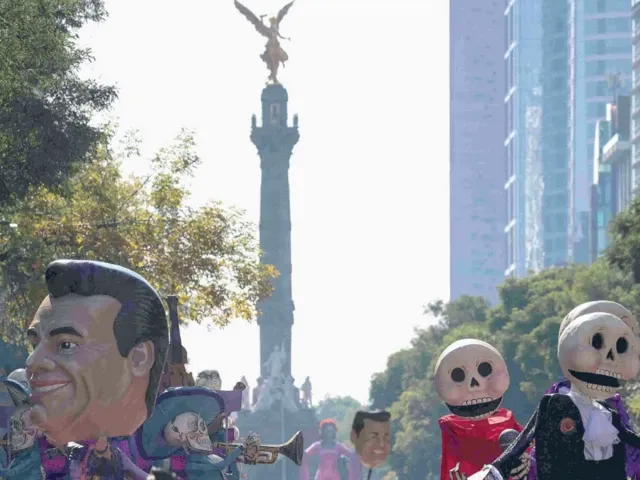
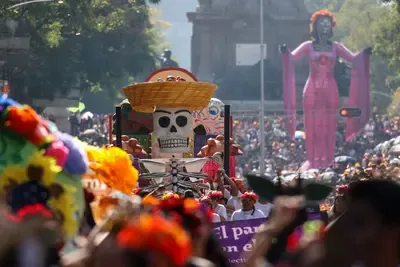
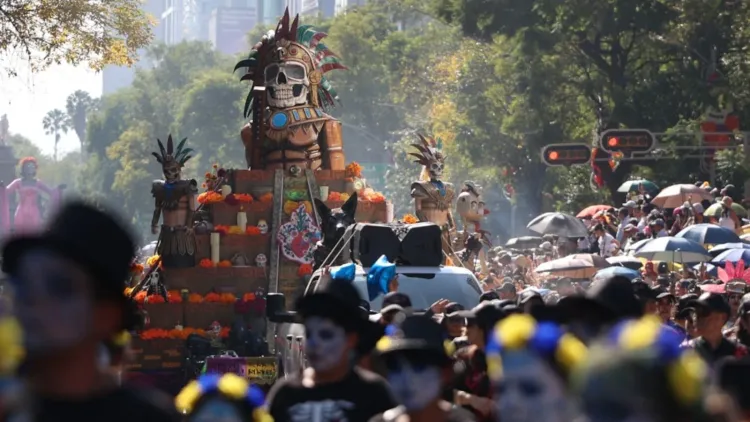
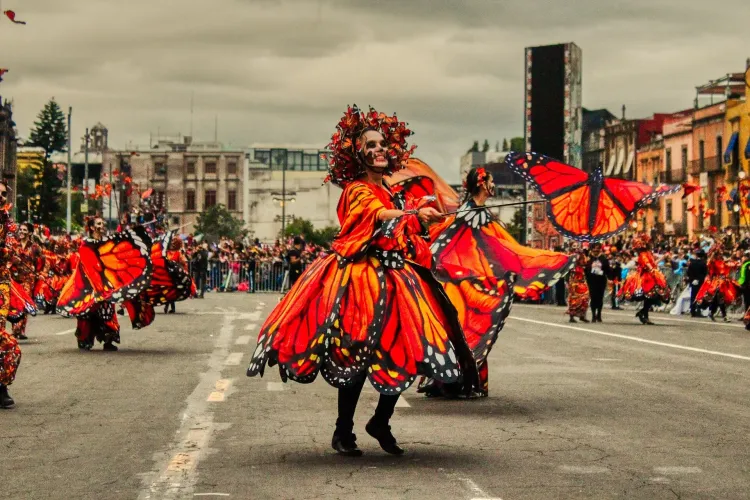
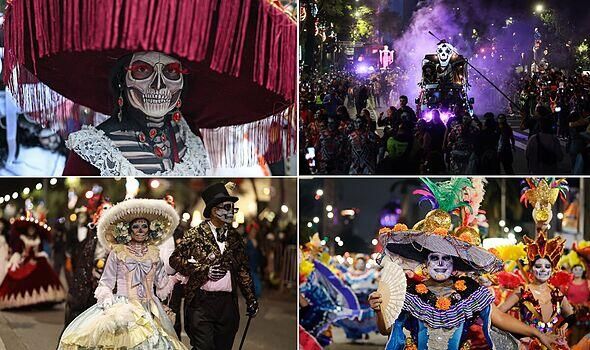
The city's tenth Great Day of the Dead Parade is scheduled for Saturday, Oct. 31, 2026. Infobae and El Heraldo de México report that it will leave the Glorieta de la Diana Cazadora at 2 p.m. and finish at the Zócalo, with more than 4,000 participants, 12 floats and two monumental balloons.
The parade will honor writer Nellie Campobello, novelist Juan Rulfo, singer Juan Gabriel and filmmaker Emilio "El Indio" Fernández. The Instituto Mexicano del Sonido is the musical guest. Brugada also urged residents to visit the Cempasúchil's Path festival in Chapultepec, scheduled from Friday through Sunday.
A separate attraction, Reforma Lumínica: El Camino a la Luz, follows Paseo de la Reforma between El Caballito and the Puerta de los Leones. Infobae reports that its 22 stations and three light tunnels are illuminated from 7 p.m. to 11 p.m., Oct. 23 through Nov. 8.
Visitor expectations and marigold production
Mexico City expected more than half a million tourists and visitors during the 2026 Day of the Dead season, Brugada said in an Oct. 20 report by El Heraldo de México.
The mayor also reported that the capital produced close to 10 million cempasúchil plants in 2026, an increase of more than 50% from about 6.5 million the previous year. The number of growers rose from 460 to about 600.