Separate quarters within one property
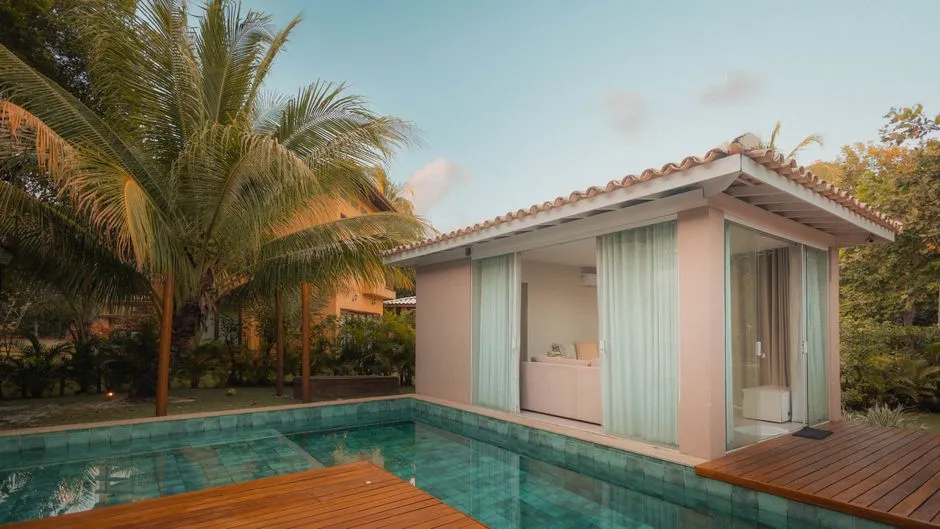
The company announced the buyout model in a November 20, 2026, release distributed by Prodigy Press Wire. Located minutes from central Tulum, the tropical property is enclosed by walls and a gate. Each casita has a separate entrance, a full bathroom, and a kitchenette.
Founder Andee Jessee said the concept addresses a trade-off for groups: sharing close quarters in a house or booking rooms scattered across a large hotel. The property caters to family reunions, wellness retreats, bachelor and bachelorette trips, and groups planning fly-fishing excursions in Sian Ka'an.
"We created a private jungle village where your group owns the entire property," Jessee said. Under the rental arrangement, only the booking party uses the casitas and communal areas.
The company positions the buyout as a lower-cost alternative to traditional luxury villa rentals. Its website provides availability, property specifications, and direct group rates, along with a newly launched trip-planning hub. A guide titled "Top 10 Group-Friendly Things to Do Near Tulum" covers cenote outings, Mayan canal floats at Muyil, and guided Sian Ka'an fishing charters.
What the four casitas include
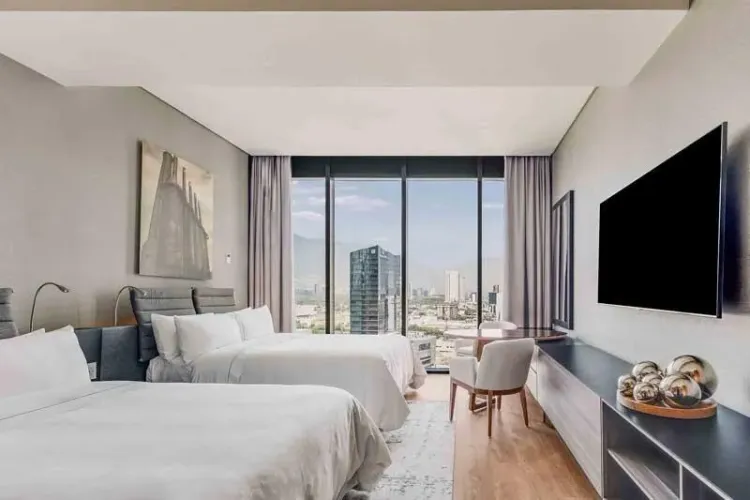
The units differ in layout and amenities. Above the central gathering area, the Poolside Treehouse (Unit 1) is a studio with pool views and newly installed mini-split air conditioning. At ground level, the natural-limestone Limestone Lounge (Unit 2) sleeps three and includes a workspace and record player.
The Boho Vista (Unit 3) also accommodates three people. Its full kitchen setup includes a blender, toaster oven, and two-burner stove. In the quietest part of the compound, the Jaguar Jungalow (Unit 4) offers a private deck for morning coffee, bedding that converts from twin to full, and jungle-themed decor.
Guests share a teal pool illuminated at night by color-changing lights, as well as hammocks and covered, open-air spaces for dining and lounging. An electric outdoor grill and on-site laundry are also available.
According to the release, guests can walk to nearby markets, taquerias, and food-truck courts, including Palma Central. Tulum's beaches are 15 minutes from the property.
More rental listings, lower revenue
The launch comes amid growth in Tulum's vacation-rental supply and declining hotel occupancy. The Tulum Times, citing a November 5, 2026, AirROI update, reported 8,269 active rental listings, about 5% more than a year earlier. That listing count was equivalent to more than two-thirds of the destination's 11,993 hotel rooms.
Hotels averaged 63.7% occupancy during January through July 2026, compared with 72.7% in those months of 2025. Lower demand had also led to the closure of about 1,000 rooms, or roughly 8% of Tulum's hotel inventory.
Rental revenue declined even as listings increased. AirROI figures reported by The Tulum Times put average annual revenue at MX$265,083 per listing, a year-over-year drop of 7.9%. Monthly revenue averaged MX$60,429 in January versus MX$22,457 in September, with January's figure nearly 2.7 times September's.
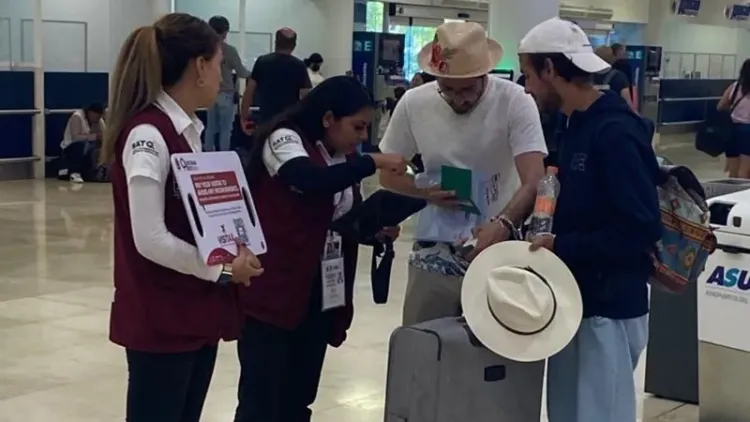
Regional air traffic was also lower. Airport operator ASUR reported about 22.78 million passenger movements at Cancún International Airport from January through October 2026, down 6.1% from the corresponding 2025 period. October traffic fell 7.7% year over year.
State registration requirements and proposed local rules
Quintana Roo's tourism ministry, Sedetur, says properties must be registered in the state tourism registry, RETUR-Q, to be offered on Airbnb, Booking, and Vrbo from 2026, according to ReaLaw. Press reports cited by ReaLaw put potential fines for operating without registration at up to 100,000 pesos. Platforms can also remove listings that lack a registration number.
Separate work on local rental rules remains in development. In August 2026, state deputy tourism minister Andrés Aguilar Becerril said municipalities and hotel associations were working on a single statewide criterion for short-term rentals booked through digital platforms. The approach considers 18 variables for each zone; municipalities would then incorporate it into their urban development plans, known as Plan de Desarrollo Urbano, or PDU.