Panama pairs cruise growth with stopover travel
Panama's cruise terminals handled 488,567 passengers from January through July 2026, according to the Panama Maritime Authority. The total was 21.6% higher than in the same period of 2025 and covered 143 ship arrivals at the Caribbean-side Colón 2000 terminal and the Pacific-side Amador Cruise Terminal.
The country's next cruise season began on October 7, 2026, when Carnival Miracle entered the Miraflores Locks northbound during a 16-day repositioning voyage from Seattle. The Panama Canal Authority has scheduled more than 220 cruise transits for October 2026 through May 2027, compared with the more than 195 it forecast a year earlier.
The schedule includes 39 Neopanamax transits and first-time canal passages for five ships: L'Austral, Le Lapérouse, Seven Seas Prestige, Spirit of Adventure and Explora III. The authority also cites a projected 5.0% increase in global cruise passenger demand in 2027 and an expansion of the global fleet by 16 vessels to 490 ships.
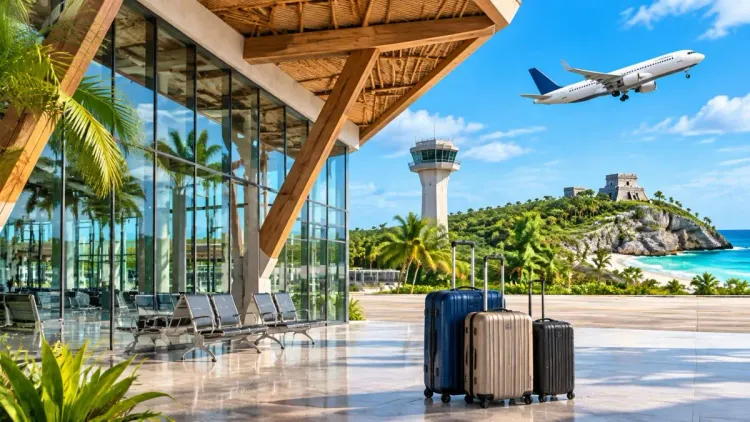
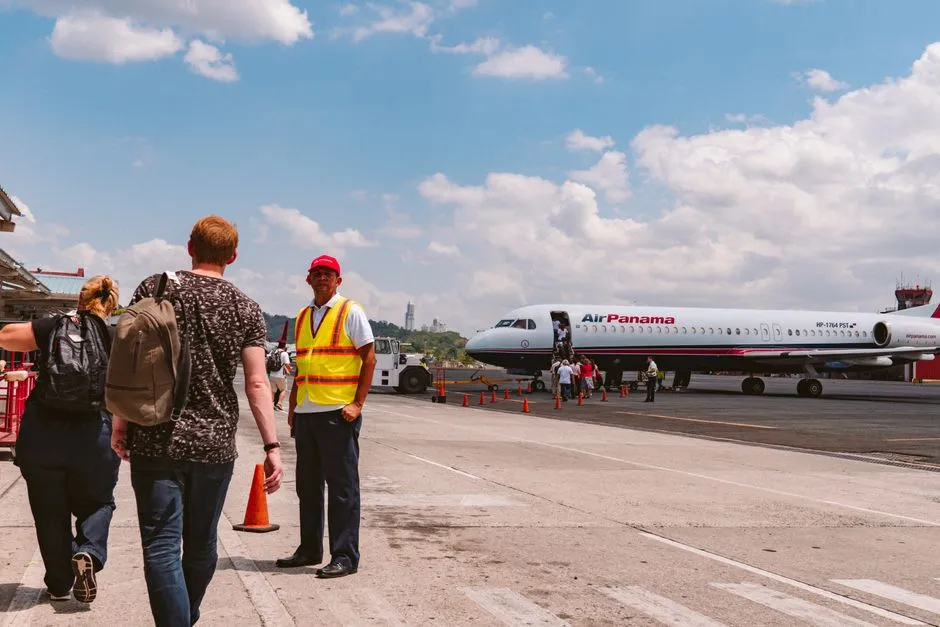
Air connections offer another route to longer visits. Travel And Tour World reports that Tocumen International Airport's Terminal 2 expansion supports a network of more than 85 destinations across the Americas. Copa Airlines' Panama Stopover program allows stays of one to seven days without additional airfare. Canal visitor centers, Gatun Lake wildlife trips and heritage railway journeys give connecting passengers reasons to leave the airport.
Drought restricts canal capacity
Cruise growth is unfolding alongside tighter water controls. On August 20, 2026, the Panama Canal Authority announced conservation measures in response to a strengthening El Niño. Beginning in September, daily transits were reduced to roughly 32–34 ships, comprising nine Neopanamax slots and 23–25 Panamax slots.
The authority also lowered the maximum authorized draft to 47.5 feet (14.48 meters), effective October 1. Competition for limited capacity pushed the price of a single Neopanamax auction slot to a reported record of about US$4.6 million in August.
Seasonal freshwater shortages remain a constraint on both transit capacity and reserves. Travel And Tour World identifies converting connecting passengers into multi-day visitors, along with expanding small-ship expedition homeporting, as opportunities for further tourism growth.
Great Lakes operators forecast a record season
The United States and Canada are drawing on a different mix of attractions: small-ship cruises, historic locks, boat rentals and trails. Travel And Tour World highlights the Erie Canal, Rideau Canal, Trent–Severn Waterway and St. Lawrence Seaway, supported by international air gateways and cross-border cruise routes.
Cruise the Great Lakes projected that the region would welcome more than 23,000 individual cruise passengers in 2026, a 5% increase from 2025. Its forecast called for more than 800 port visits and nearly 175,000 total passenger visits, both up nearly 15%. Estimated economic impact exceeded US$300 million, an increase of about 25%.
Seven cruise lines, including newcomer American Cruise Lines, were scheduled to run 10 ships and 148 itineraries on the Great Lakes and St. Lawrence River in 2026. These figures describe the organization's forecast, rather than final season results.
Beyond cruising, former towpaths support cycling and walking, while Parks Canada offers camping at lock stations. Short navigation seasons and competition for international attention from better-known European canal and river trips remain challenges.
Mexico's coast-to-coast passenger route remains suspended
Mexico's Interoceanic Corridor of the Isthmus of Tehuantepec connects Salina Cruz on the Pacific with Coatzacoalcos on the Gulf of Mexico over a 303-kilometer rail route. Modernized ports, regional airports and links with the Maya Train network form part of its role as an overland "dry canal" for freight and tourism.
Passenger operations on the corridor's Interoceanic Train, or Line Z, have been suspended since a December 28, 2025, derailment near Nizanda, Oaxaca. The crash killed 14 people and injured almost 100. Freight trains have continued operating.
President Claudia Sheinbaum said in June 2026 that passenger service would not return until early 2027. The government plans to bypass the sharp curves known as "Rabbit Ears" on the approach to Salina Cruz. A rail specialist estimated that the work would require roughly 70 kilometers of new track and about a year.
Elsewhere in Central America, paved coast-to-coast highways and expanded low-cost airline capacity support itineraries combining Caribbean reefs with Pacific beaches. Travel And Tour World points to Honduras's Palmerola International Airport among the connectivity improvements, while noting that border bottlenecks and uneven air service still limit regional travel.
Colombia's canal restoration awaits construction
Colombia's 115-kilometer Canal del Dique connects the Magdalena River with Cartagena Bay. Cartagena's Caribbean cruise homeport, mangrove excursions, community-led coastal tours and Magdalena River cruises form part of the country's waterway tourism offering. Travel And Tour World identifies ecological restoration and navigation improvements as opportunities to develop river-to-sea heritage trips.
The restoration project was still in its 45-month pre-operational phase on July 29, 2026, according to Colombia's National Infrastructure Agency. At that point, the environmental impact study was 65% complete.
The planned 51-month construction phase calls for two major lock-and-gate complexes, at Calamar and Puerto Badel, and 34 smaller works. Sediment management, flood protection and safeguarding coral ecosystems from freshwater discharge remain central challenges.
The agency also reported more than 3,500 vessel transits through the canal, the removal of 2.5 million cubic meters of sediment through dredging, and maintenance along more than 120 kilometers of protective dikes.