Travelers describe payments and prolonged holds
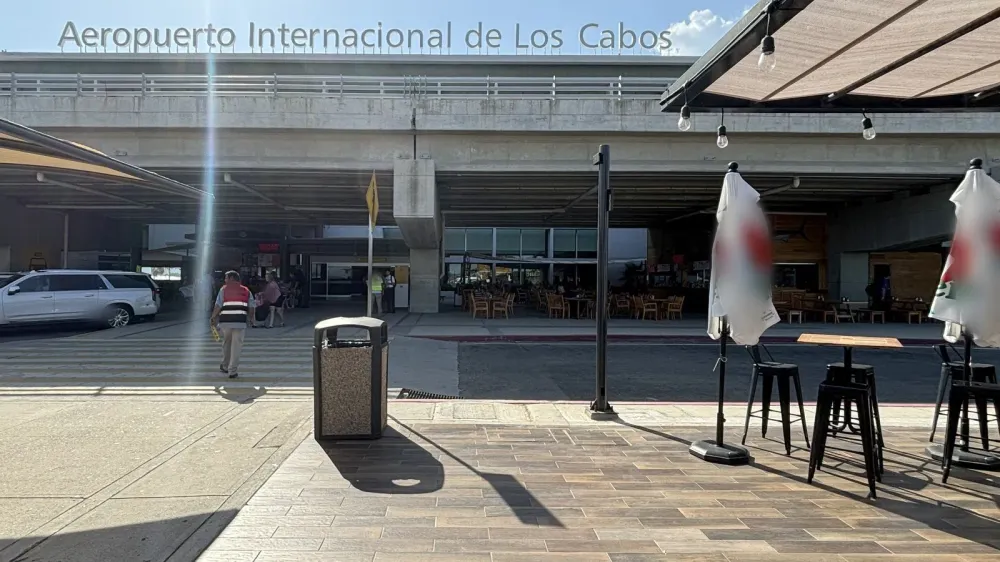
CANACO Servytur Los Cabos, the local chamber representing commerce, services and tourism, joined the hotel association in seeking an investigation into customs practices at the San José del Cabo airport, according to Peninsular Digital. Their request covers officers' conduct and the protection of travelers' rights.
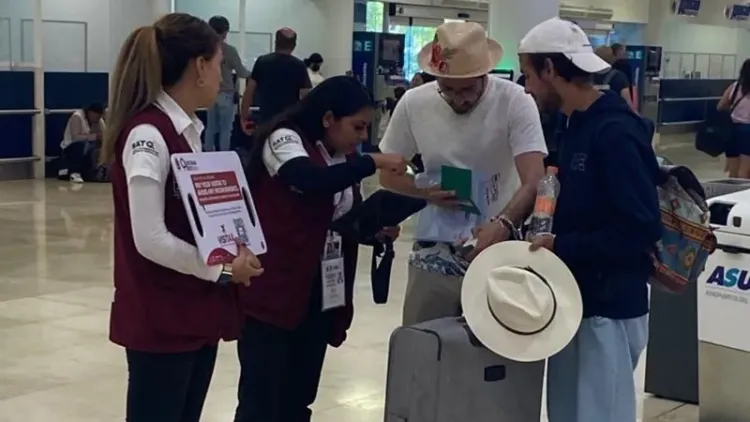
The complaints concern inspections of personal belongings, sports equipment and other goods. Peninsular Digital reported allegations of unjustified charges, attempted extortion, lengthy holds and unclear procedures. Tribuna de México described U.S. citizens being asked to pay over items such as engagement rings, promotional materials, topical products and sports gear.
One traveler, a U.S. citizen identified as Karl, told HOY BCS that officers held him for about three and a half hours on June 4, 2026, after he arrived with three first-aid kits for a hotel's security staff. He said officials kept his passport, denied him contact with consular authorities and charged him for the kits. He subsequently complained to U.S. consular authorities and a federal congressman's office, the outlet reported.
Hotel association president Lilzi Orcí Fregoso said inspections and detentions had increased and that tourism representatives had met several times with customs and other agencies. Neither Peninsular Digital nor Tribuna de México included a response from customs or Mexico's National Customs Agency, ANAM, in their reports.
Vapes and other restricted products
Orcí linked many cases to differences between U.S. and Mexican rules, citing vapes, gummies and some electronics as products legal in the United States but illegal in Mexico, according to Tribuna de México.
For vapes, the distinction between use and importation matters. The Independent reported that a law effective January 16, 2026, banned the importation and sale of vapes and e-cigarettes, while leaving personal use outside the ban. It closed a loophole remaining after a January 2025 constitutional amendment. Customs officials confiscate devices brought into Mexico and may fine or detain the travelers carrying them, the newspaper reported.
According to PlanetWare, fines for attempting to bring in a vaping device can exceed US$12,000. Prison terms can reach eight years in extreme cases, which the outlet said are likely reserved for suspected trafficking. PlanetWare also reported that Mexican authorities displayed more than 50,000 confiscated vapes the day after the ban took effect in mid-January 2026.
What travelers can bring duty-free
ANAM's official guidance provides a duty-free allowance of up to US$500 per passenger for goods in addition to personal luggage. The same limit applies to arrivals by air, land or sea. Family members may pool their allowances if they enter together using the same transportation, but the allowance does not cover alcoholic beverages, manufactured tobacco or automotive fuel.
Some sports gear and electronics fall within ANAM's separate duty-free personal baggage list and do not use up the US$500 allowance. The list includes two items of personal sports equipment, four fishing rods, three surfboards with or without sails, up to three portable phones, two laptops and two tablets.
Our packing advice, rather than an instruction from authorities, is to leave vapes and cannabis or THC products, including gummies, at home. Review ANAM's allowances before departure and bring receipts for new electronics and expensive equipment. Declare goods if you are uncertain about their status.
If officials request payment, our advice is to ask for an official written receipt and record the time and the officer's name or badge number. Afterward, contact your hotel and the nearest U.S. consular office.
Business leaders warn of tourism risks
The Consejo Coordinador de Los Cabos, a local business council, said a review of social media covering the previous 12 months found more than 10,000 tourist complaints, or about 25 a day, according to Tribuna de México. Those figures reflect online posts, not an official complaint register.
The hotel association warned that recurring negative experiences could damage Los Cabos' reputation and discourage return trips and recommendations. The United States is one of the destination's main visitor markets, it said, according to Peninsular Digital. Tribuna de México also highlighted the need to review entry procedures as winter tourism increases, given the differences between U.S. and Mexican rules.
The council raised a further concern: accumulated complaints could lead to formal statements from U.S. consular authorities or travel advisories that reduce arrivals, HOY BCS reported. The same outlet cited the council's estimate that tourism is the municipality's primary economic driver and supports close to 90 percent of residents directly or indirectly.
Groups propose complaint channels and joint talks
CANACO supported the council's demand for transparent, lawful customs procedures. The groups acknowledged customs' enforcement and inspection powers while calling for legality, transparency and respectful treatment of travelers.
Their proposals include working groups bringing together customs officials and business and tourism representatives, dedicated complaint channels and commitments to follow up. They offered to work with federal, state, municipal and airport authorities, Peninsular Digital reported.