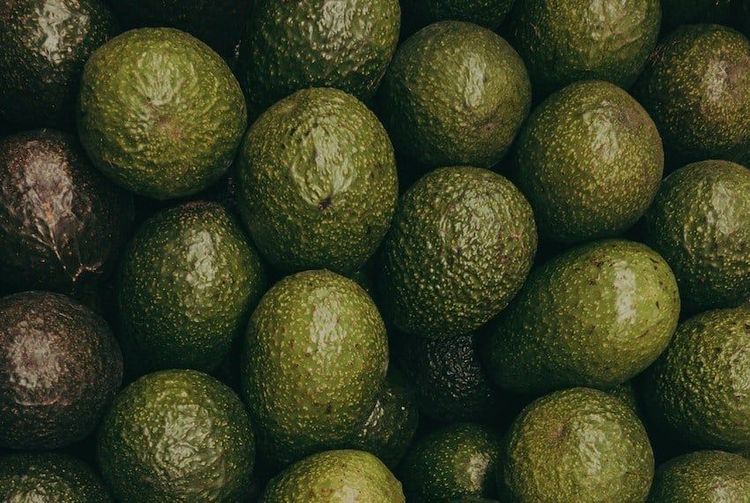
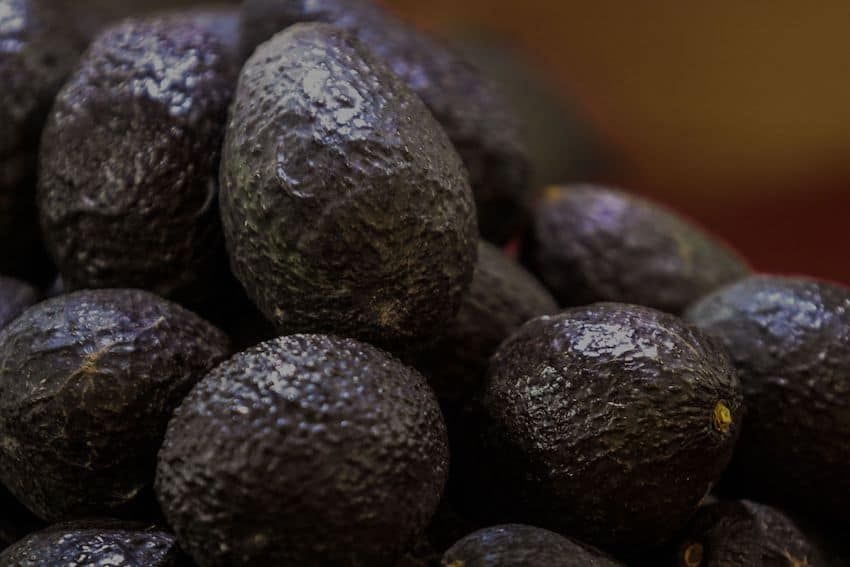
Most avocado exports to the US have resumed after last week's suspension
Approximately 75% of avocado packing facilities in Mexico's Michoacán state have been cleared for export following a pause in the avocado trade with the United States over security concerns, Julio Berdegué, Mexico's advisor for international agri-food affairs and strategic issues under the USMCA, announced on Saturday.
The re-approved facilities handle roughly 85% of Michoacán's avocado exports and the rest will be restored soon, according to Berdegué. Mexico exports over 1 million tonnes of avocados annually, with the United States serving as its largest market and accounting for more than 75% of Mexico's export volume. Mexico supplies approximately 80% of U.S. avocado imports.
U.S. avocado imports from Michoacán were temporarily suspended on Wednesday after the U.S. Embassy issued an alert regarding a threat to U.S. interests. It marked the third time in just over four years that the United States has suspended avocado trade with Mexico for security reasons.
Pattern of Security-Related Disruptions
In February 2022, the U.S. suspended avocado inspections in Michoacán after a U.S. plant safety inspector received a threatening message on his official cellphone in Uruapan. The suspension occurred on the eve of the Super Bowl, the biggest sales opportunity of the year for Mexican avocado growers. More recently, in June 2024, the U.S. paused avocado and mango inspections in Michoacán for more than a week after two USDA inspectors were assaulted and detained at a police roadblock in Aranza, a town in the municipality of Paracho. That suspension cost local avocado growers approximately $52 million.
The embassy statement announcing the latest suspension did not reveal the nature of the threat, but President Sheinbaum has since said that the suspension followed a meeting at the U.S. embassy related to threats against some of the inspectors hired by the United States to monitor sanitary quality. The USDA's Animal and Plant Health Inspection Service (APHIS) has sent inspectors to Mexico since 1997 to monitor plantations and packing houses to ensure exported avocados are free of pests and diseases that could harm U.S. crops.
A meeting scheduled for the following day with an organization of avocado producers revealed that there had been an increase in extortion cases in certain regions of Michoacán. At least four cartels operate in the state—including the Cártel de Jalisco Nueva Generación (CJNG), Nueva Familia Michoacana, Tepalcatepec Cartel, and Zicurián Cartel—all designated as terrorist organizations by the Trump administration. These groups extort avocado producers through monthly protection payments calculated per cultivated hectare or per kilogram exported.
Swift Security Response
In response to the suspension, Mexico worked to rapidly strengthen security in the state for the immediate and gradual resumption of the export program, said U.S. Ambassador to Mexico Ronald Johnson. Following the suspension, Michoacán Governor Alfredo Ramírez Bedolla deployed an extra 300 security operatives to Michoacán's avocado-growing region as a preventive measure. On Thursday morning, the federal Defense Ministry announced it had sent more than 1,500 soldiers to the state to protect avocado producers and packing plants in the region.
Exports resumed from the municipalities of Tancítaro, Tacámbaro and Uruapan, as well as the area between Morelia and Pátzcuaro, on Saturday. These municipalities are among the top avocado-producing areas in Michoacán, with Tancítaro alone producing 237,435 tonnes in 2018, making it the highest-producing municipality in the state.
Long-Term Security Measures
To prevent future security issues, the Mexican government has established a permanent working group to monitor security in the region and prevent extortion of producers. The challenges facing the industry are compounded by Michoacán's unique position in global avocado production. Jalisco is the only other Mexican state besides Michoacán currently authorized to export avocados to the United States, having gained authorization in July 2022, but its production volume represents only about 15% of Michoacán's output.
Michoacán's geography in the Trans-Mexican Volcanic Belt provides optimal conditions for avocado cultivation, with rich volcanic soil, four overlapping blooming seasons per year, and the ability to harvest avocados 365 days a year. The state contains over 42,000 avocado orchards, making it difficult to replace its production capacity when disruptions occur. The industry's export value stands at $3.65 billion annually.