Mexican avocado exports to US surge 35% in first quarter of 2026
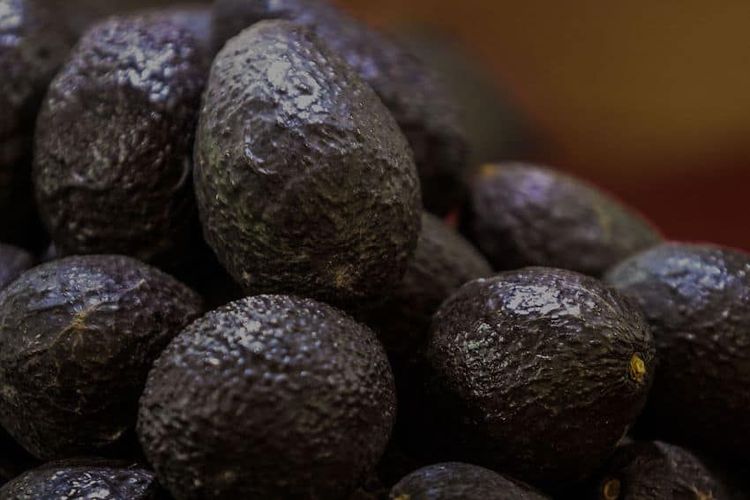
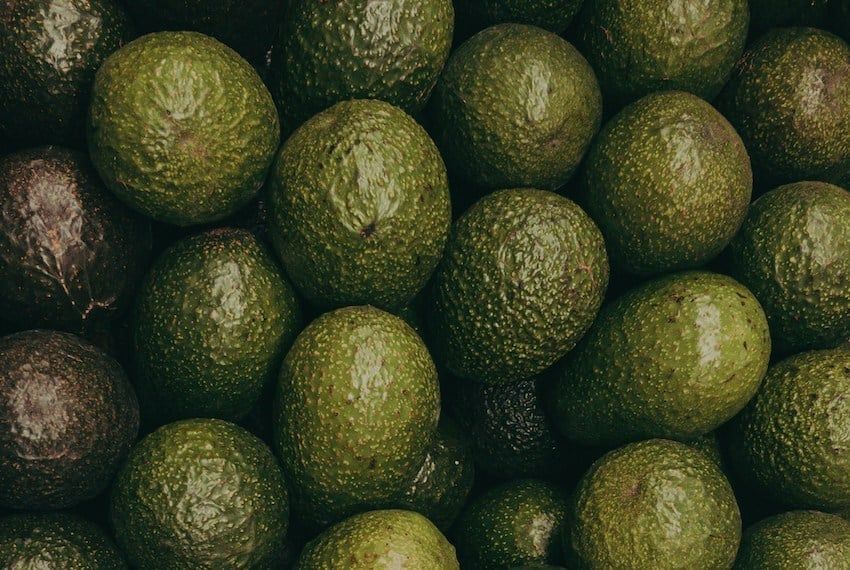
Mexican avocado shipments to the United States rose sharply in the first quarter of 2026, with exports climbing approximately 35% to reach over 501,000 tonnes compared to around 370,000 tonnes during the same period in 2025, according to data from the Agriculture and Rural Development Ministry (Sader).
March alone saw 148,511 tonnes shipped north, representing a 57% year-over-year increase. The surge positions Mexican avocados as the country's second-largest agri-food export to the U.S. market, trailing only beer, with a total value exceeding $3.6 billion in 2025 and accounting for 8.1% of all Mexican agricultural exports to its northern neighbor.
Mexico's total avocado production is forecast at 2.8 million metric tons for 2026, a 3% increase from 2025 levels. This output represents approximately 28% of global avocado production, cementing Mexico's position as the world's leading supplier. The 2025-2026 season saw projections of record U.S. imports reaching 2.5-2.6 billion pounds of Mexican avocados, with roughly 280 million pounds earmarked for the Super Bowl period alone.
Geographic concentration drives growth
Only two Mexican states—Michoacán and Jalisco—are currently authorized to export avocados to the United States. Michoacán dominates production, accounting for 75% of Mexico's total output in 2025 with approximately 2.04 million metric tons. Together, these states have driven export growth through expanded cultivated acreage and adoption of advanced agricultural technologies.
The industry has increasingly adopted pressurized irrigation systems to improve water efficiency, though around 65% of Mexico's avocado orchards still depend on seasonal rainfall. These technological improvements have enhanced yields and fruit quality in both leading states.
Sader attributed the export surge to
the competitiveness of the avocado supply chain, driven primarily by the effort and commitment of producers, packers, exporters and authorities to ensure compliance with the highest standards of quality, plant health and food safety demanded by international markets.
Economic impact spans both nations
The avocado boom has generated substantial employment on both sides of the border. In Mexico, the industry supports approximately 78,000 direct and permanent jobs, plus over 310,000 indirect and seasonal positions. Most growers operate as small-scale farmers, averaging three acres per farm. In the United States, the Mexican avocado trade supported more than 42,000 jobs and boosted economic output by $7.5 billion in 2024.
U.S. consumer preferences have shifted decisively toward avocados as a superfood staple, with total fresh avocado imports reaching a record 2.87 billion pounds in 2025, up 7% from the previous year. Mexico supplied 83% of volume and 88% of value, with Peru and Colombia providing most of the remainder.
Price pressures amid volume growth
Despite record export volumes, the value of Mexico's avocado exports declined 22% during Q1 2026 due to sharply lower international prices and peso appreciation. Wholesale prices for large Hass avocados fell to $1 per pound by April 2026, reflecting market oversupply.
The first-quarter spike in shipments reflects seasonal demand patterns tied to major U.S. sporting events, particularly the Super Bowl, when avocado consumption traditionally peaks. This seasonal surge, combined with Mexico's expanded production capacity, has strengthened the bilateral agricultural trade relationship between the two countries.
The Mexican government highlighted that this growth has fueled economic development in primary producing states including Michoacán, Jalisco, México state and Nayarit, though production remains concentrated in the first two regions due to U.S. phytosanitary requirements.