A trading hub with growing African ties
Held in central Zhejiang in eastern China, the forum attracted statesmen, diplomats and hundreds of business participants from China and abroad. It supports the Forum on China-Africa Cooperation (FOCAC), with an agenda focused on implementing the FOCAC Beijing Summit's outcomes and advancing its 10 partnership action plans.
The gathering builds on eight years of cooperation and more than 140 signed projects. Although Yiwu has neither a coastline nor border access, it has become an important meeting point for Chinese and African merchants.
Africa is now Yiwu's largest trading partner, according to an April 13 report by People's Daily. During the first two months of 2026, their combined imports and exports totaled 35.41 billion yuan, about $5.18 billion. That represented an 84.7 percent increase from a year earlier and 20.4 percent of Yiwu's total trade.
Official figures for January through September put Yiwu's exports to Africa at 135.903 billion yuan, a year-over-year gain of 30.18 percent.
Tariff changes open another direction for trade
For many African merchants, business in Yiwu once meant buying Chinese products, filling containers and shipping them home. Ugandan businessman Sami is now also bringing goods in the opposite direction. Following China's May 1 introduction of zero-tariff treatment for 53 African diplomatic partners, he began importing Ugandan coffee beans and chili peppers into China. Yiwu also serves as a distribution point for those products to reach wider markets on the China-Europe Yiwu-Xinjiang-Europe Railway Express.
"Zero tariffs give young Africans direct access to the Chinese market and make two-way trade far more actionable," Sami said. He hopes other African traders will use Yiwu to take their countries' products to broader markets.
The policy covers every tariff line for all 53 African countries with diplomatic ties to China. A Chinese Embassy spokesperson explained on May 23 that the May measure extends preferential zero-tariff rates to the 20 countries in that group that are not classified as least developed, for a two-year interim period. The other 33, classified as least developed countries, have received zero tariffs across all tariff lines since December 1, 2024.
The spokesperson described China as the first major economy to offer unilateral, full-coverage zero-tariff treatment to all African countries with which it has diplomatic relations. As of May 2026, China had also been Africa's largest trading partner for 16 consecutive years, according to the spokesperson.
Daybreak Nigeria reported that Yiwu-Africa trade rose 42.65 percent year over year to $14.3 billion in the first half of 2026. It also cited record China-Africa trade of $207 billion over that period, while China's imports from Africa reached $29 billion during May and June, up 24 percent from a year earlier.
Products on display, logistics in place
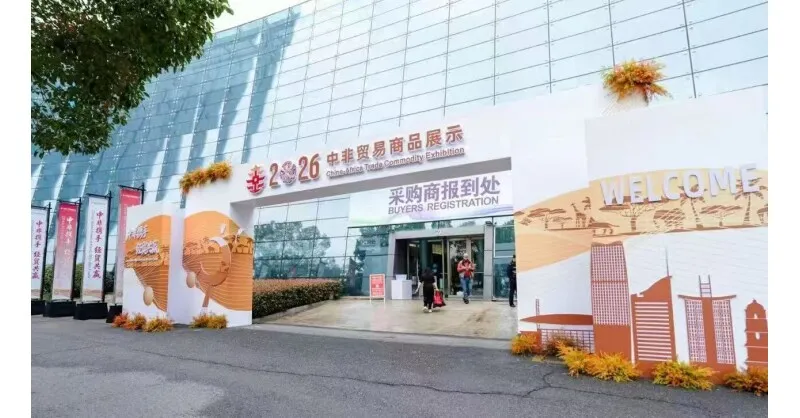
The commercial exchange was on display at the 2026 China-Africa Trade Commodity Exhibition, which opened November 6 at the Yiwu International Expo Center. The three-day event ran alongside the 2026 China Yiwu Stationery Fair (Autumn), with the theme "China-Africa Partnership for Win-Win Trade and Economic Cooperation."
Across 10,000 square meters, the exhibition brought 186 companies from 15 countries into 400 booths. Its layout included an African Country Pavilion, an Import Zone and an Export Zone. The import section assigned 65 booths to 37 companies presenting goods from 14 African countries; the export section accommodated 149 companies in 335 booths.
Ethiopian coffee, shea butter from Ghana and Zimbabwean handicrafts were among the imports displayed. Chinese exhibitors offered household goods, stationery, cultural and creative products, and beauty products for African markets.
More than two decades ago, merchants often had to travel extensively to find suppliers and buyers. Today, warehousing, customs-declaration services and cross-border transportation connect the exhibition floor with ocean shipping, allowing displayed goods to move through to delivery.
A business base for African merchants
Many African entrepreneurs consider Yiwu a second home. Beyond purchasing goods there, merchants are establishing businesses and trading platforms in the city.
People's Daily reported in April that changes to Yiwu's foreign investment registration system had reduced company-registration processing time from 15 working days to one. The report said the city's China-Africa Building housed 63 foreign-invested entities, with African merchants accounting for more than 80 percent. Enterprises from 21 African countries had established trading platforms there.
Supply chains extend beyond the port
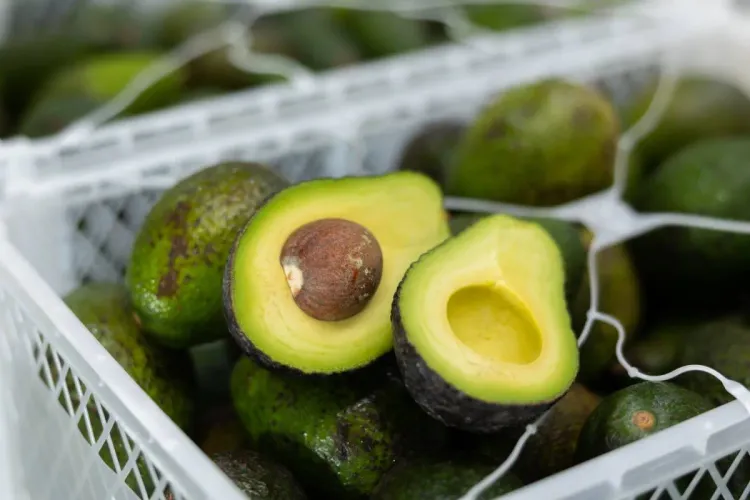
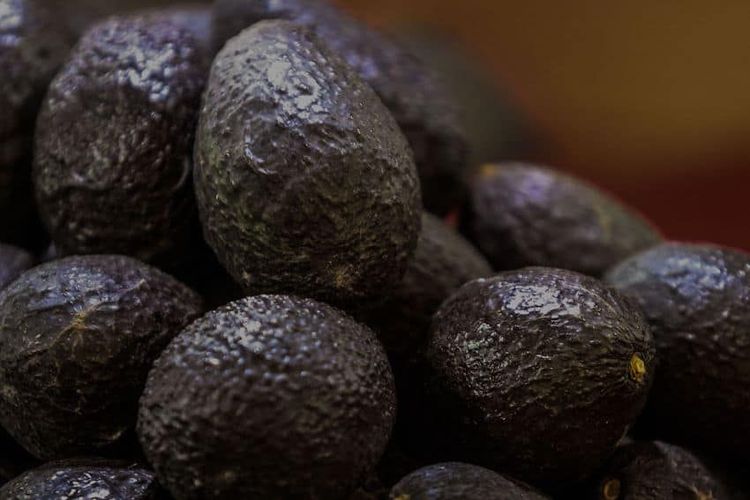
African coffee, honey and avocados are gaining space in China's consumer market, while Chinese companies are extending their operations further into African markets. The relationship increasingly includes shared supply chains, access to each other's markets and ties between the people conducting the trade, rather than commodity sales alone.
For exporters, services now reach beyond the point at which a shipment leaves a Chinese port. Companies are combining bulk purchasing with overseas storage, local distribution and support for taking brands into international markets.
Yiwu-based supply-chain operators have established exhibition halls and 15,000-square-meter overseas warehouses in Senegal. Across Africa, Yiwu has set up 28 overseas warehouses in 12 countries. Alongside overseas sub-markets and national-buyer service centers, these facilities form an emerging network linking procurement, storage and distribution with Chinese suppliers and African consumers.