A framework for the talks
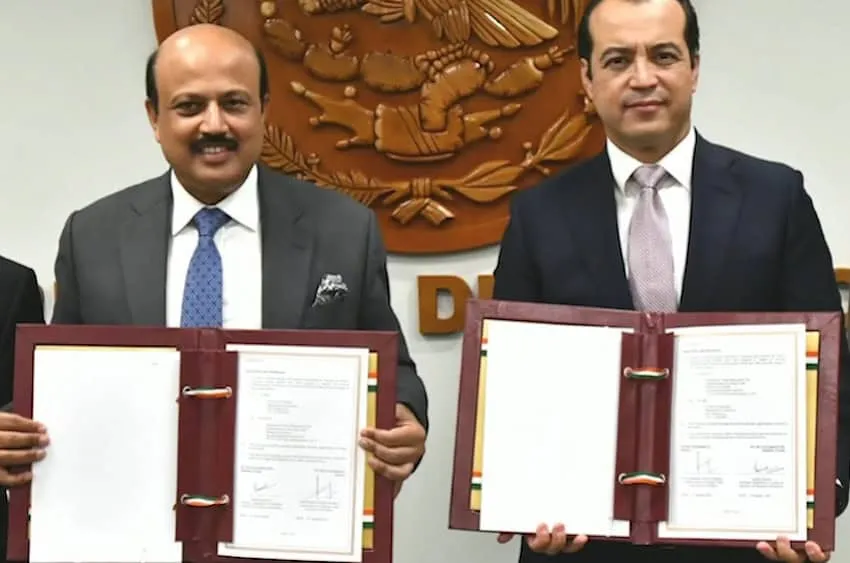
The Terms of Reference were signed by Luis Rosendo Gutiérrez Romano, Mexico's deputy minister of foreign trade, and Rajesh Agrawal, India's commerce secretary. Agrawal arrived in Mexico City on Monday for a two-day official visit.
The negotiations follow an understanding to strengthen bilateral ties reached by Mexican President Claudia Sheinbaum and Indian Prime Minister Narendra Modi at the G7 Summit in Canada in June 2025. In a statement on X, the Indian Embassy said the countries were ready to pursue balanced, ambitious negotiations that would translate unrealized opportunities into shared prosperity.
The proposed negotiating agenda spans access to goods markets, rules of origin, customs procedures and trade facilitation. It also includes dispute settlement, sanitary and phytosanitary measures, technical barriers to trade, and trade remedies. India's Department of Commerce said the goal was a balanced agreement benefiting both countries, calling Mexico an important destination for Indian exporters and investors.
Tariff pressure and an interim option
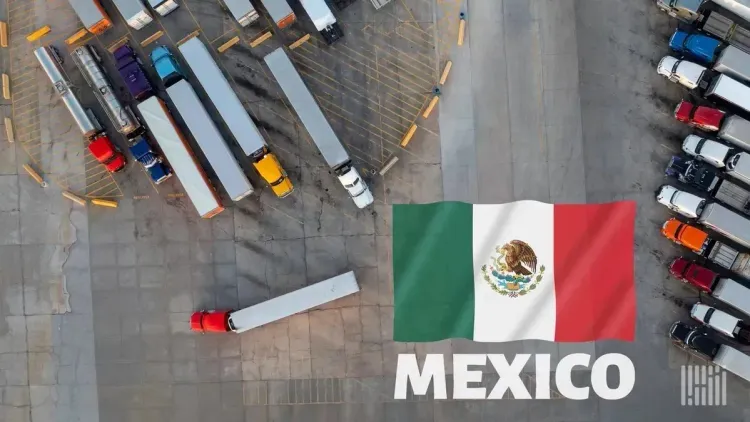
Mexico raised import duties to as much as 50% across 1,463 tariff classifications on January 1, 2026, targeting goods from countries with which it has no trade agreement, including India. The Hindu BusinessLine described those measures as the immediate backdrop to India's pursuit of a preferential agreement.
The affected Indian export sectors include vehicles and auto components, textiles and apparel, footwear, plastics, steel, chemicals, household appliances, aluminum, toys, and engineering goods, according to the outlet.
The Hindu BusinessLine reported that the proposed pact would offer tariff concessions on a selected set of products, rather than the extensive coverage of a comprehensive free trade agreement. That narrower scope makes a preferential agreement relatively easier to negotiate and secure, the outlet said.
An interim arrangement is also a possibility. Speaking in The Hague, Indian Commerce and Industry Minister Piyush Goyal said, "Mexico is very keen to have an early harvest," Financial Express reported on October 28. Such an arrangement could cut or remove duties on selected goods where neither country has major sensitivities, allowing those changes to proceed without waiting for a comprehensive agreement.
The trade relationship in figures
The Directorate General of Commercial Intelligence and Statistics put two-way merchandise trade at US$8.74 billion in 2024. India exported $5.73 billion in goods to Mexico, while shipments in the opposite direction totaled $3.01 billion, leaving a $2.72 billion trade gap.
Among India's leading exports to Mexico in 2024 were light vehicles worth $880 million, base metals worth $760 million and auto parts worth $740 million. Other major categories were mechanical machinery at $460 million, textiles and clothing at $410 million, and motorcycles at $390 million. Mexico's principal shipments to India included $1.7 billion in crude petroleum oil, $270 million in smartphones and $170 million in gold.
For the separate fiscal year 2025-26 period, The Hindu BusinessLine reported roughly US$7.83 billion in bilateral merchandise trade. Indian exports to Mexico were US$5.73 billion, including about US$1.92 billion in automobiles.
India's other trade negotiations
In the same update reported by Financial Express, Goyal described India's deal with Chile as "quite ripe for conclusion" and said negotiations with Canada on a Comprehensive Economic Partnership Agreement were making "very good progress." A sixth round of Canadian talks was expected in early November, with both countries seeking to finish negotiations by the end of 2026. He said negotiations with the Southern African Customs Union had only recently started.
Cooperation and a possible business mission
The India-Mexico pact is intended to support more trade, new business opportunities, increased investment and stronger supply chains. Potential cooperation spans automobiles, chemicals, electronics, pharmaceuticals and agri-food, as well as energy, critical minerals, medical devices and advanced manufacturing.
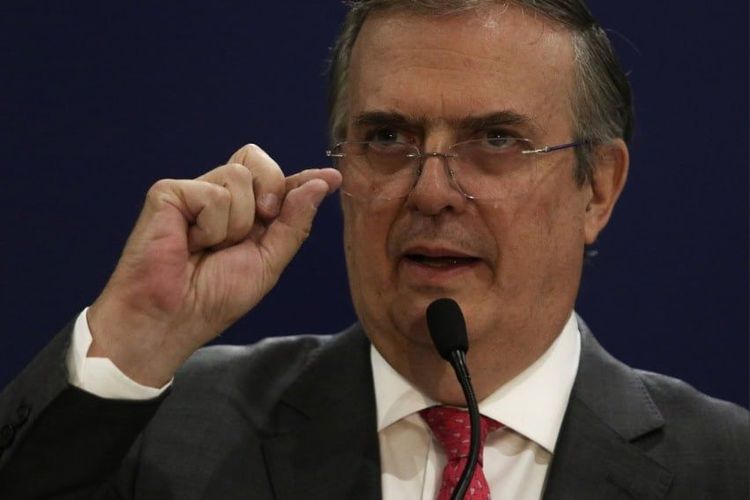
Science, technology and digitalization were also priorities discussed in February by Mexican Economy Minister Marcelo Ebrard and India's ambassador to Mexico, Pankaj Sharma.
During Agrawal's visit, he and Gutiérrez Romano discussed a possible Mexican business mission to India in the first quarter of 2027 to explore commercial opportunities and deepen ties.