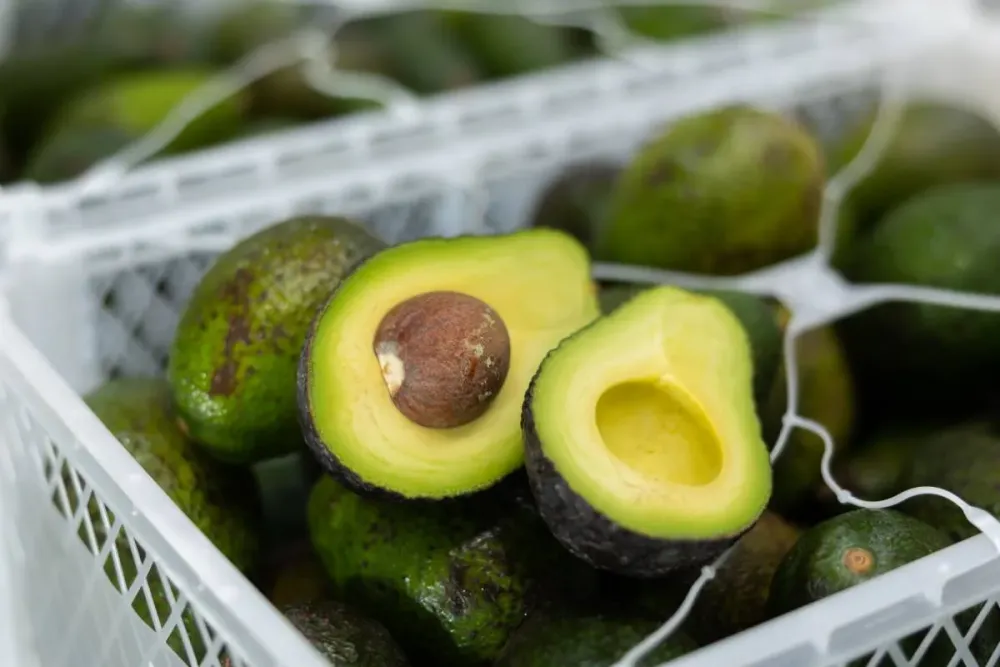
Fewer shipments expected at the border
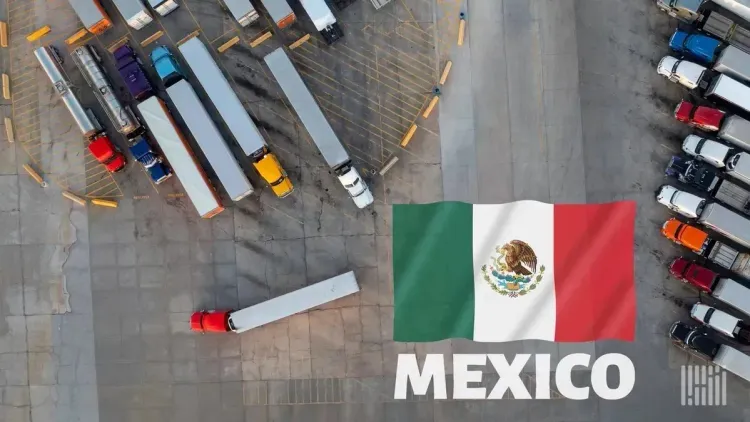
The disruption has sharply reduced the number of avocado shipments expected to reach the U.S. border. As of October 28, about 600 containers were expected to ship that week out of 1,100 originally scheduled, grower and packer manager Valentín Rodríguez told El País.
Produce Alliance, a supply service platform, reported that 56 million to 58 million pounds of avocados were in storage when the stoppage began. That inventory initially offered U.S. retailers a buffer against demand of about 50 million pounds a week.
In its October 23 notice, the service expected no immediate disruption but cautioned that a halt exceeding three days could reduce availability, delay loading and create market volatility. Its October 29 update warned that supplies could tighten in the coming days, potentially forcing order allocations and bringing loading delays and higher prices.
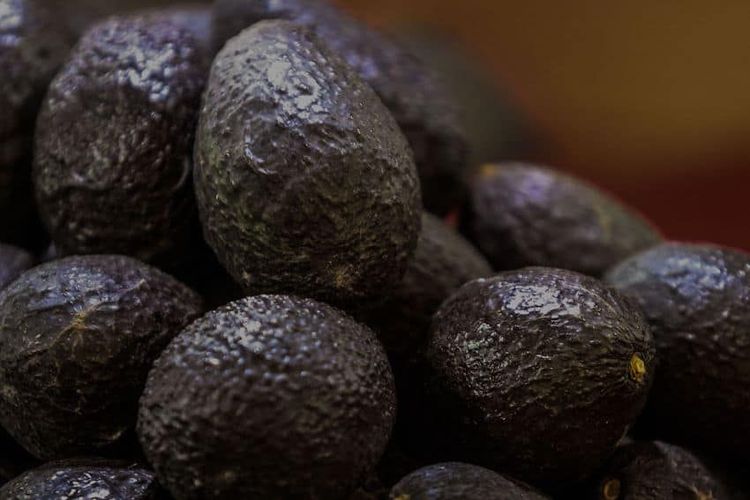
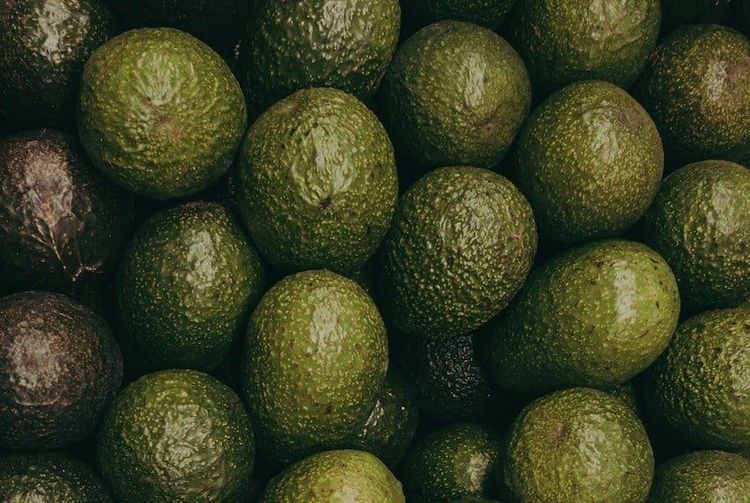
Michoacán and Jalisco are the only Mexican states authorized by the U.S. Department of Agriculture to export avocados to the United States. Sources consulted by Fresh Fruit Portal said Michoacán supplies up to 90% of the Mexican avocados sold in the United States, while Mexican fruit represents 98% of the U.S. avocado market.
Growers press for higher farmgate prices
Productores Unidos de Aguacate (United Avocado Producers), which represents small growers in Michoacán, called the widespread harvesting halt on October 23. The group is seeking higher farmgate prices, support to address rising production costs and protection against fruit entering from other Mexican states.
Growers say the combination of low prices and increasing costs has made their margins unsustainable. Their proposed minimum price ranges from 35 to 45 Mexican pesos per kilogram ($1.86 to $2.39). El País reported that small growers were receiving about 13 pesos, or $0.70, per kilogram at the time of the strike.
The dispute follows a steep decline in Mexican avocado export prices. According to Agricultural Markets Consulting Group figures reported by FreshPlaza, prices fell 63.2% between January and August 2026, from $3.80 to $1.40 per kilogram. Export revenue declined 44.5%, from $2.6 billion to $1.4 billion, despite a 33.7% increase in volume to one million metric tons.
Tuesday's meeting between the growers' organization, other industry representatives, the state government and Mexico's Avocado Producers and Packer Exporters Association (APEAM) ended without an agreement. Harvesting has not resumed in the producing municipalities, and the growers' group has taken control of the local phytosanitary agency, Sanidad Vegetal.
Certification rules and dependence on U.S. sales
Growers are also challenging VELAGRO, the Michoacán government's digital platform, which has been enforced since early October. They contend that it is too complicated and adds financial pressure on small producers already facing sharply lower returns.
Avobook reports that VELAGRO issues the Labor Certificate for Agro-Exports, known as the CLA. The certificate became mandatory for avocado exporters on October 1, 2026; the first certificate issued under the pilot covers October 1 through November 7. Exporting companies must apply, but individual growers and packers do not.
Michoacán Governor Alfredo Ramírez Bedolla said the government cannot set avocado prices, according to El País. He urged APEAM to seek export customers beyond the United States, identifying Asia and China as underused destinations.
El País puts annual U.S. avocado purchases at about $3.65 billion and reports that the United States accounts for 99% of Michoacán growers' sales. Mexico exported a record 1.22 million metric tons of avocados in 2025, with 2026 exports projected at 1.32 million metric tons. Mexican Hass avocados represent nearly 30% of global output, the newspaper reported.
This is not the year's first interruption to exports. In August, a U.S. security alert concerning drug-trafficking-related violence prompted USDA inspectors stationed in Michoacán to leave their posts. Export certification stopped, suspending Mexican avocado exports for three days, according to El País.
More talks planned, but no confirmed restart
Another meeting involving local industry representatives, the government and APEAM is scheduled for October 29. Growers have not announced when harvesting will resume.
Produce Alliance cautioned that even a restart before the end of the week would not immediately restore supplies. Replenishing distribution centers and ripening facilities requires fruit to move through harvesting, packing, inspection and transportation. Buyers seeking conditioned or ripened avocados may face a longer wait, and some supply difficulties could persist.
Citing industry contacts, Produce Alliance said the sector remained hopeful that picking would resume on Monday, November 2.